
Last updated November 25, 2026
 Whole-home duct cleaning
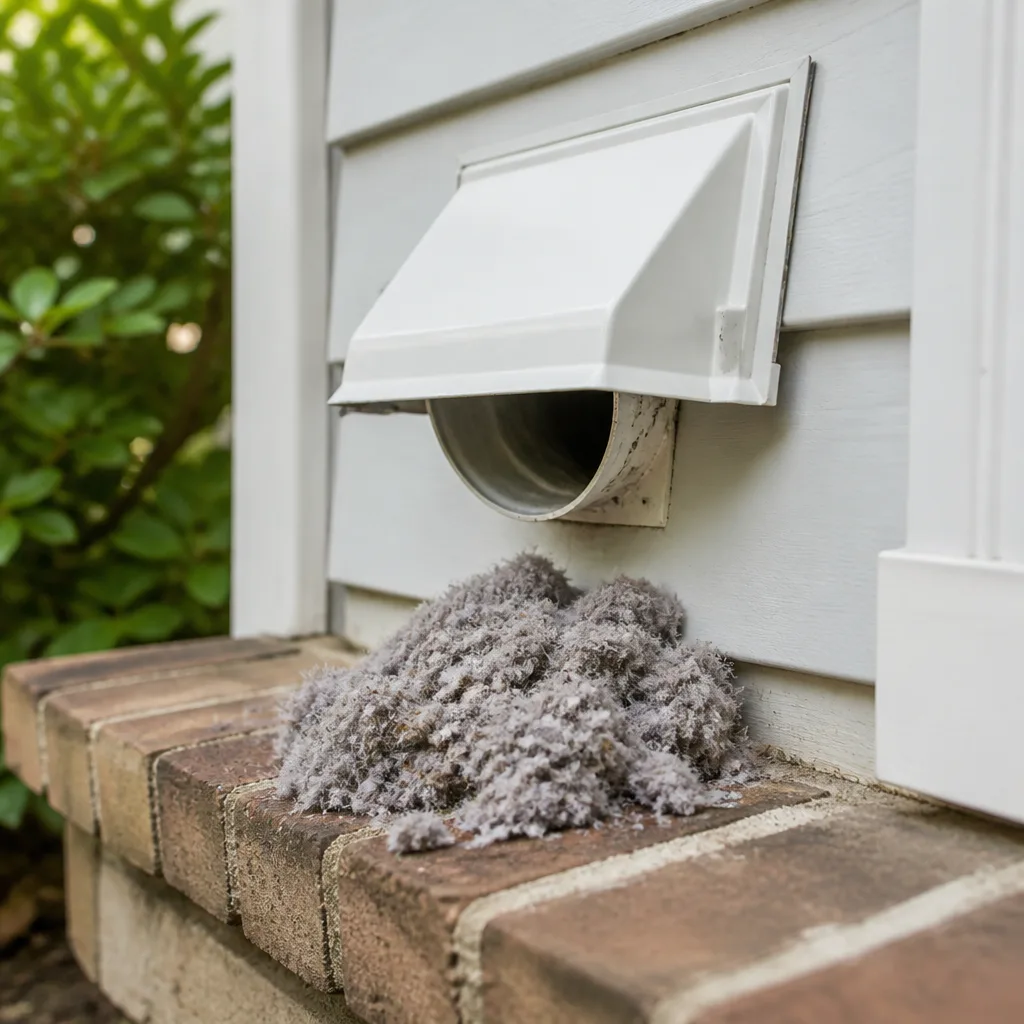 Dryer vent cleaning
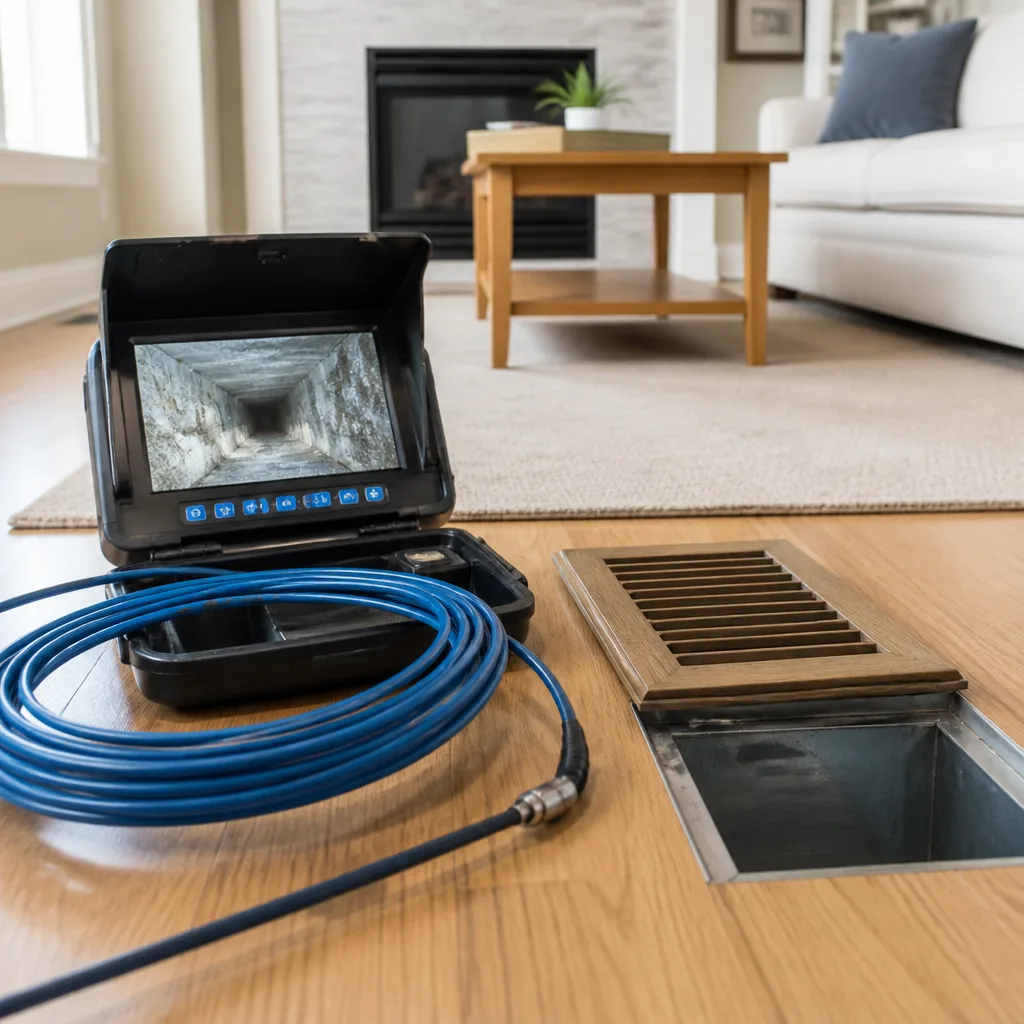 Camera inspection
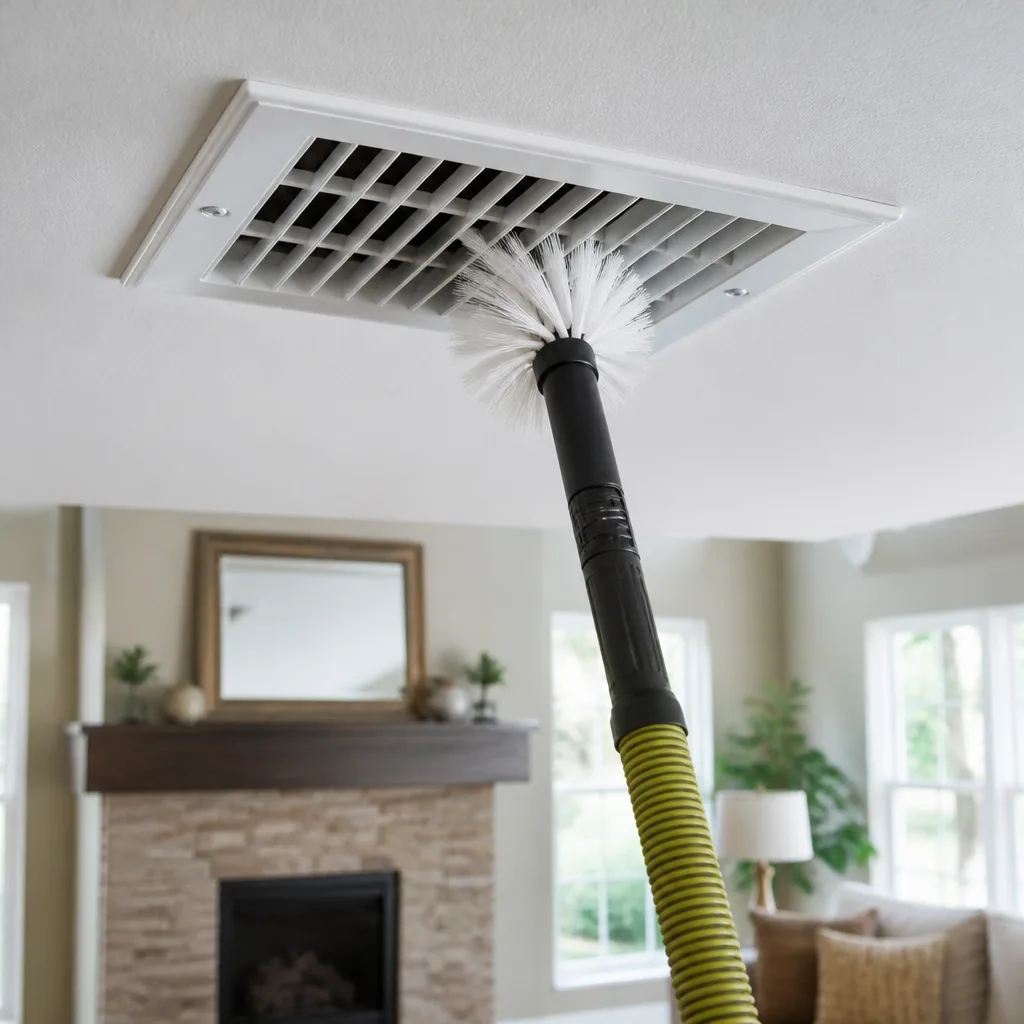 Sanitizing & deodorizing
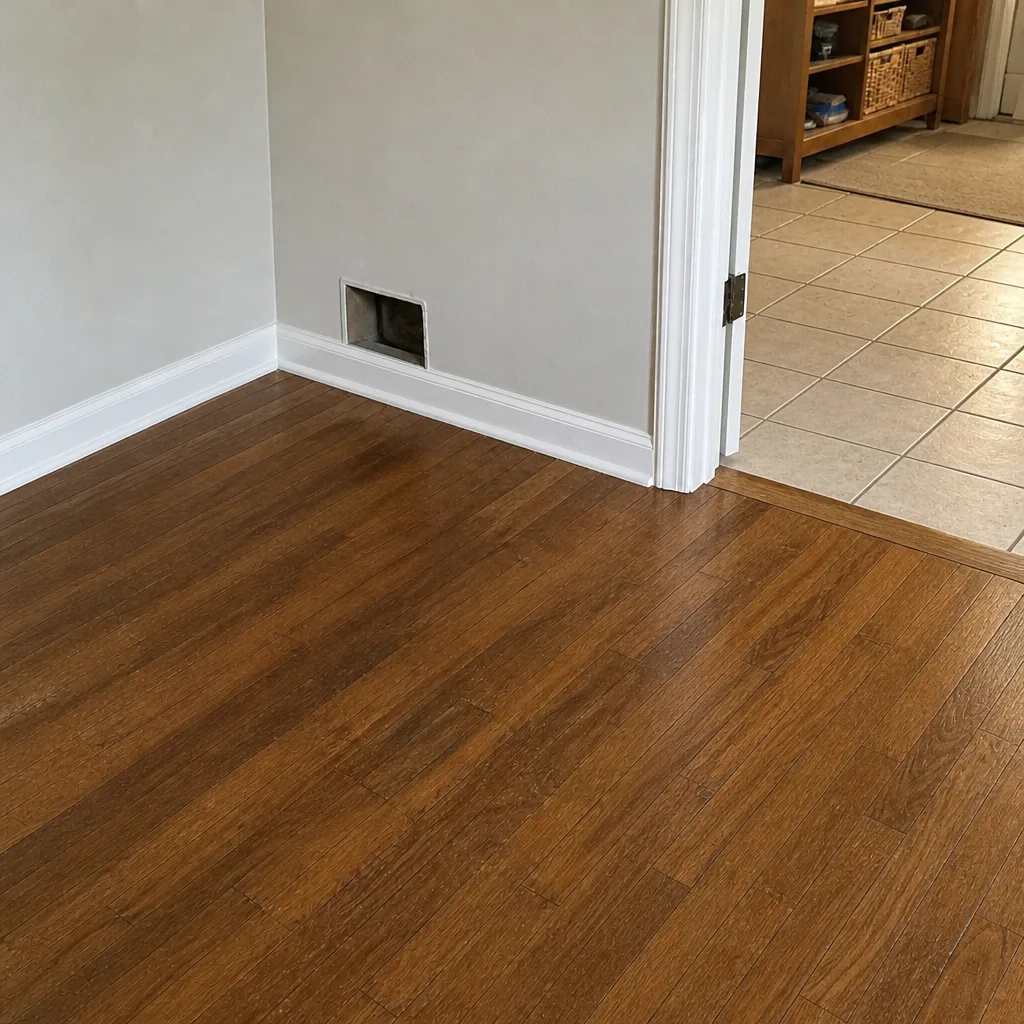
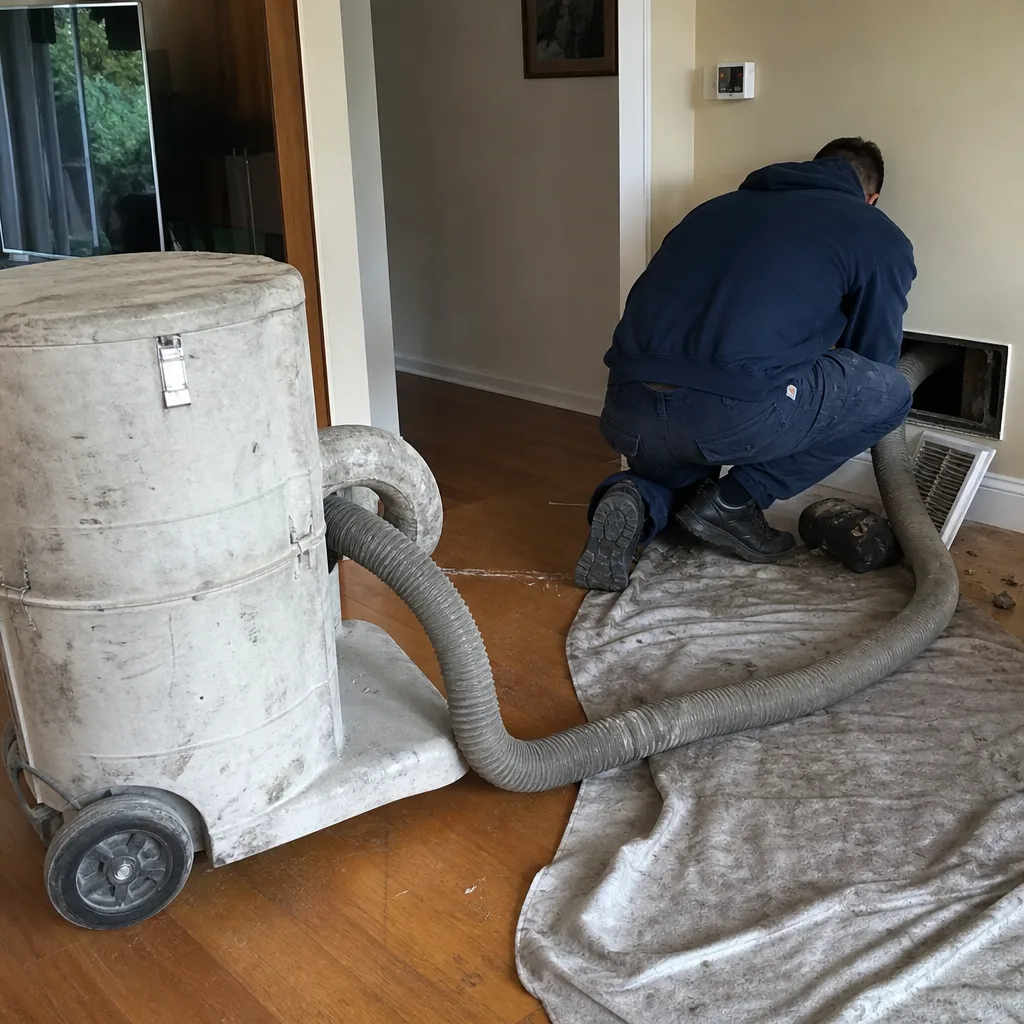
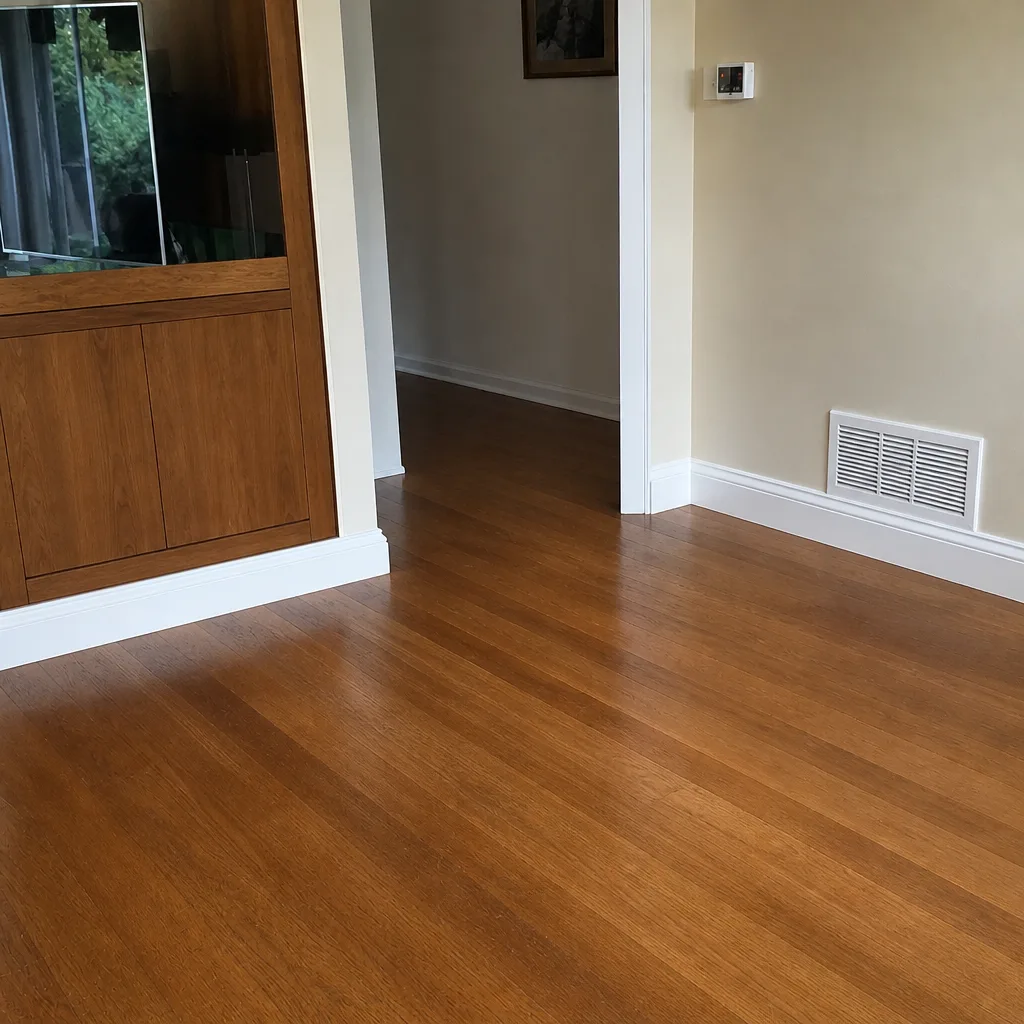
Whole-system duct and dryer vent check with before-and-after photos - you see exactly what came out of your vents
That "$99 whole-house special" is a bait ad - the real number appears once they are in your hallway, or the "clean" is a shop-vac at the register. We photograph the inside of your ducts before and after instead.
Air Duct Cleaning Warning Signs: An Edmonds Homeowner’s Reference Guide
A duct system doesn’t announce a problem. It degrades gradually enough that each individual symptom seems explainable on its own – the back bedroom was always a little cool, the furnace always ran a bit longer in January, that faint musty smell is probably just the season. That slow, quiet drift is exactly why contamination and damage go unaddressed for years in homes where the HVAC system technically still runs. In this guide we’ll walk through the specific signs worth paying attention to in an Edmonds home: airflow changes, odor patterns, what collects on your registers, symptom timing, and the structural clues that older housing stock gives up readily to anyone who knows where to look.
Quick Answer
The main warning signs of a duct problem are uneven room temperatures, registers that feel weaker than they used to, longer HVAC runtimes with no thermostat change, musty or dusty odors that appear when the system runs, dark oily debris rings on registers, allergy symptoms that track with HVAC use, and visible flex duct sagging or separated joints in crawl spaces. Any one of these is worth noting. Two or more appearing together usually means the duct system itself needs an assessment.
Styles & brands we work with
- Whole-home duct cleaning
- Dryer vent cleaning
- Camera inspection
- Sanitizing & deodorizing
Table of Contents
- The Three Airflow Signals Most Homeowners Explain Away
- What Each Odor Tells You About Where the Problem Lives
- Reading Your Registers: Normal Dust vs. Warning Debris
- Health Patterns That Track With HVAC Usage
- Structural Clues in Older Edmonds Housing Stock
- What Is Not a Warning Sign
- How a Proper Duct Assessment Works
- What Duct Cleaning Costs in Edmonds
The Three Airflow Signals Most Homeowners Explain Away
Airflow is the first thing to degrade and the last thing homeowners connect to ductwork. That’s because all three common signals are easy to blame on something else.
Uneven room temperatures. If a room upstairs stays noticeably cooler than the rest of the house in winter, or warmer in summer, the natural assumption is that the home is poorly insulated or the window is drafty. Sometimes that’s true. But when the same room has always been inconsistent and the gap widens over time, the more likely explanation is restricted flow in the branch serving it – a collapsed section of flex duct, an accumulation of debris at the register boot, or a joint that has separated somewhere between the trunk line and the room.
Registers that feel weaker than they used to. You don’t need a pressure gauge for this. Hold your hand at the register you know well. If it used to blow hard enough to move a curtain and now it barely ruffles it, the system is losing air somewhere upstream.
Longer HVAC runtimes without a thermostat change. If nobody adjusted the schedule and nobody set the temperature lower, but the system now runs noticeably longer to reach the same setpoint, the equipment is working harder to move the same volume of air. Restricted ducts are a common cause.
What makes these signals tricky is that they cluster. Rarely does one appear alone. Three of them together in a home with no recent HVAC changes is a strong indicator that the duct system deserves a proper look.
What Each Odor Tells You About Where the Problem Lives
Odor is the most diagnostic warning sign a duct system produces, but only if you distinguish between the types. Each smell points to a different zone of the system and a different underlying cause. When writing our Edmonds Air Duct Cleaning Pros assessments, the first thing we ask is which smell, and when.
- Musty or damp-earth odor that appears when the system starts. This points to biological growth in the air handler, the evaporator coil, or the return-side ductwork where moisture has collected. It’s the most common concern we hear about in Edmonds because our damp winters keep humidity in crawl spaces and utility rooms higher than most homeowners expect.
- Dusty, “old attic” smell. Accumulated particulate matter in the supply trunk line and branch runs. The system pulls air across a layer of settled dust every time it runs, which is why the smell intensifies at startup.
- Sharp burning or hot-metal smell. Not a duct cleaning issue. This is an equipment problem – a failing blower motor, an overheating component, or an electrical fault. Shut the system down and call an HVAC technician before anything else.
- Chemical or solvent odor. Something foreign has entered the system – off-gassing from stored materials, a spill near a return, or contamination in the duct interior that requires a proper assessment rather than a routine clean.
Timing matters as much as the smell itself. A musty odor that appears only when the system starts and fades after a minute is characteristic of growth in the air handler plenum. A musty odor that lingers in one room regardless of HVAC state usually points to the branch serving that room or moisture in nearby building materials.
Reading Your Registers: Normal Dust vs. Warning Debris
Every register gets dirty. The question is what kind of dirty it is. A register with a uniform, light gray film of household dust is normal and expected. That is the particulate load from everyday life settling on the surface.
Two patterns are not normal and mean something specific:
- Dark, oily rings around the register frame or on the grille face. That grease-like ring is a sign the interior duct surface upstream is degrading – most often a fiberglass-lined duct releasing binder and fibers, or biological growth that has deposited a film. This is the pattern that usually signals the need for removal-level cleaning rather than surface dusting.
- Visible debris dropping from the register when the system starts, or debris collecting on windowsills and furniture directly under registers. That indicates the duct interior is actively shedding material – deteriorated liner, mineral dust from the coil, or construction-era debris that was never cleared.
A third pattern worth knowing: streaking on the register where airflow is concentrated. If one side of the grille is clean and one side is heavily darkened, airflow through that register is likely uneven, which points to obstruction or a loose damper upstream.
One useful habit in Edmonds homes is to compare registers. If the register in the living room has a light gray film and the one in a bedroom has a dark greasy ring, the duct serving that bedroom is a specific concern. That comparison is the single most useful thing a homeowner can do before an assessment. It tells us which branch to open first.
Health Patterns That Track With HVAC Usage
Air quality complaints are easy to misattribute. An allergy season that feels longer, a cough that lingers, a child rubbing their eyes more often – all of these get blamed on outdoor air quality, pollen counts, or “just getting older.” The pattern to watch for is whether symptoms track with the HVAC system rather than with outdoor conditions.
Here’s the distinction:
- Ambient air quality problems flare when you go outside and quiet down when you come in.
- HVAC-source problems flare when the system runs, quiet down when it’s off, and often improve when you leave the house for a few days.
If symptoms consistently worsen in rooms closest to the air handler, or in bedrooms where registers run first thing in the morning, the source is very likely inside the duct system or the air handler rather than in the outside air. The reason is straightforward: the air handler pulls air across the return side, and every particulate layer in that return is being re-circulated every time the system runs. In a home with a 20-year-old duct system, that can mean a substantial volume of material being redistributed on every heating cycle.
The correlation is also season-neutral. If symptoms rise in summer when the cooling system runs and again in winter when heating kicks in, that’s not a seasonal allergy – that’s an HVAC correlation. If they only rise in spring when windows are open, the duct system is unlikely to be the cause.
Before assuming a duct problem, it’s worth confirming with your doctor. What we can tell you is what the pattern usually looks like when we see it, and what it correlates with in the homes we assess.
Structural Clues in Older Edmonds Housing Stock
Some of the clearest duct warning signs aren’t in the living space at all. They’re in the crawl space, the utility room, or wherever the duct runs are visible. Edmonds housing stock ranges from mid-century construction still running original metal ductwork to 1990s and 2000s builds with flex duct that has had decades to sag and separate. The signs to look for:
- Visible flex duct sagging between hangers. Flex duct should be stretched taut and supported at regular intervals. When it sags, the inner liner can pinch, restricting airflow to that branch and forcing the blower to work against higher static pressure. A single badly sagged run can cut airflow to a room by a meaningful margin.
- Disconnected joints at the trunk line or at a register boot. You’re looking for a visible gap where two sections of duct meet without a proper connection. That gap is sending heated or cooled air into the crawl space, not into your living room.
- Ripped or degraded outer jacket on flex duct. The outer vapor barrier protects the insulation and prevents condensation. When it’s torn, insulation can absorb moisture, compact, and lose effectiveness – and in Edmonds’s damp crawl spaces, that moisture load allows biological growth inside the duct.
- The acoustic signature of a leaking trunk line. This is the one homeowners hear but don’t identify. A hissing or rushing sound near a run of duct, especially at startup, is air escaping through a leak. If you can hear the duct “whisper” in a spot where the duct is accessible, the system is losing air there.
Visible joint problems and sagging flex runs are also efficiency problems. Air escaping into a crawl space is heated air you paid for. That’s why our approach is assess, clean, and restore – cleaning out contamination without repairing and sealing the ductwork fixes half the problem and leaves the leaks to keep doing their work. If you suspect a leak, our HVAC cleaning service can assess the whole system alongside the duct repair.
What Is Not a Warning Sign
Equally useful is knowing which signals to ignore, because a lot of duct marketing relies on homeowner anxiety about things that mean nothing.
- A light film of gray dust on registers. Normal. Comes from ambient household dust and doesn’t mean the duct interior is contaminated.
- A dusty smell the first time you run the heat in the fall. Usually dust that has settled on the heat exchanger over the summer. If it clears within a week and doesn’t return mid-season, it’s not a duct problem.
- A high energy bill. On its own, a high bill is a lot of different things – weather, equipment age, thermostat settings. It’s only a duct signal when paired with the airflow and runtime changes described above.
- Visible dust on furniture a couple of days after cleaning. Unless it correlates with HVAC runtime, this is ordinary household dust.
One thing that is not a warning sign but often gets listed as one: “you can see dirt inside the duct if you look at a register with a flashlight.” Every duct has visible surface dust on the inner liner. It’s the character of the dust and whether the system is redistributing it that matters – not whether it exists.
How a Proper Duct Assessment Works
A real assessment isn’t a sales pitch. It’s a diagnostic walkthrough of the system from air handler to register, and it follows a predictable sequence:
- Source evaluation at the air handler. The air handler and evaporator coil are checked first because that’s where moisture and biological growth concentrate. A duct system can be spotless and still be distributing contamination from the coil.
- Return-side inspection. The return ductwork is the highest-traffic zone in the system because it’s where the air moving into the blower passes. Debris accumulation here gets redistributed to every register.
- Supply trunk line and branch inspection. Each branch is checked for restriction, sagging, disconnected joints, and degradation of the inner liner, especially in flex duct.
- Register readings. Airflow at each register is compared against the system average to identify which branches are underperforming.
- Crawl space visit for exposed ductwork. Any run visible in the crawl space or utility area gets a visual inspection for leaks, sagging, and liner damage.
- Documentation. Before-and-after photos of the interior of the ducts and of any defects found. You should be able to see exactly what was there.
Professional equipment matters at this stage. The systems we use – Rotobrush and Nikro – are the same professional-grade machines commercial HVAC contractors rely on, and their agitation and negative-pressure systems let us verify interior condition rather than guessing. For contamination-level scenarios – mold, allergen loads, or construction dust – we bring in Abatement Technologies equipment, which is designed for remediation-grade work rather than routine maintenance cleaning. If you’re evaluating local providers, this is the equipment tier question worth asking about early.
What Duct Cleaning Costs in Edmonds
Cost varies with the size of the system, the number of branches, and whether repair and sealing are needed. The one thing to watch for is the per-vent price. Legitimate providers give a whole-system price. Marketing-driven providers quote a per-vent number that sounds low and expands once the technician is on site.
In our experience across Edmonds and the surrounding area, the reasonable ballpark for a typical residential system is:
- Routine residential duct cleaning for a whole system with a standard branch count: typically in the lower to middle hundreds of dollars, priced as a single flat price for the system, not per vent.
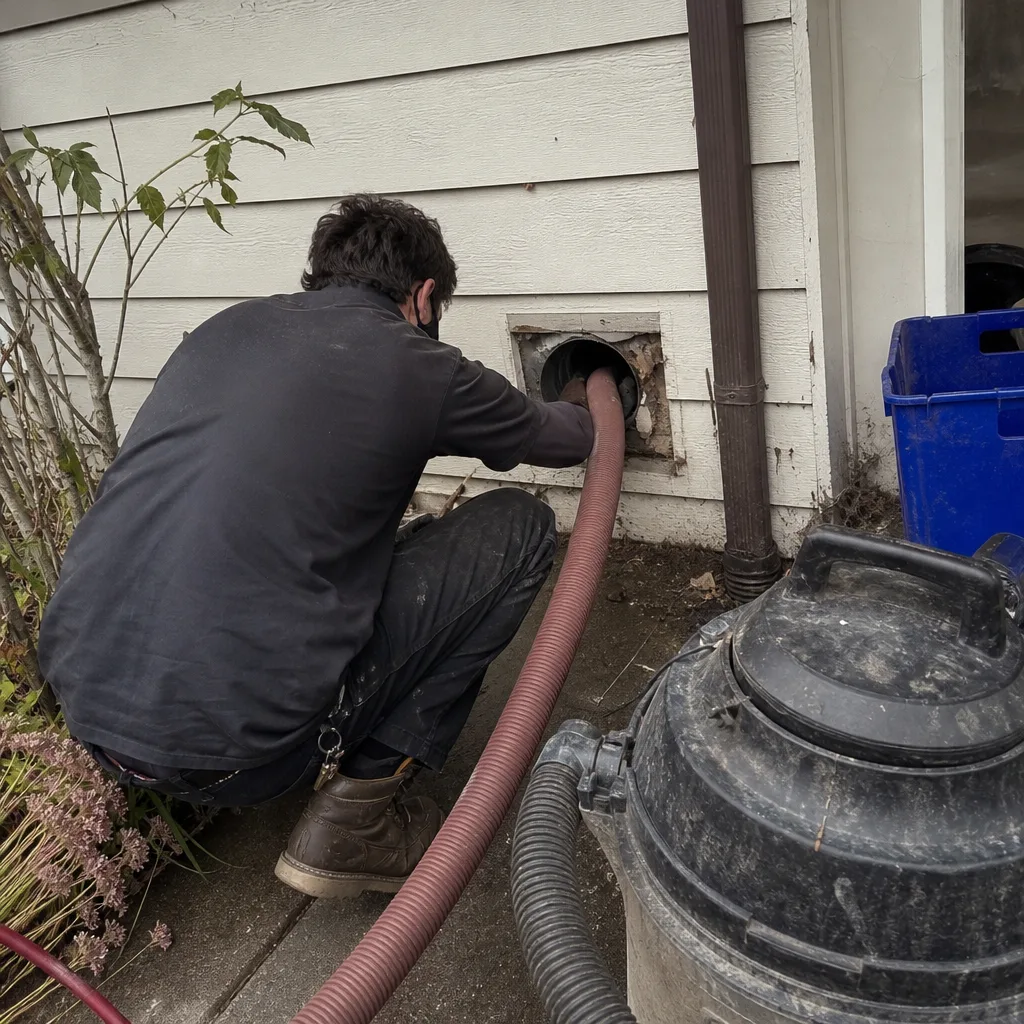
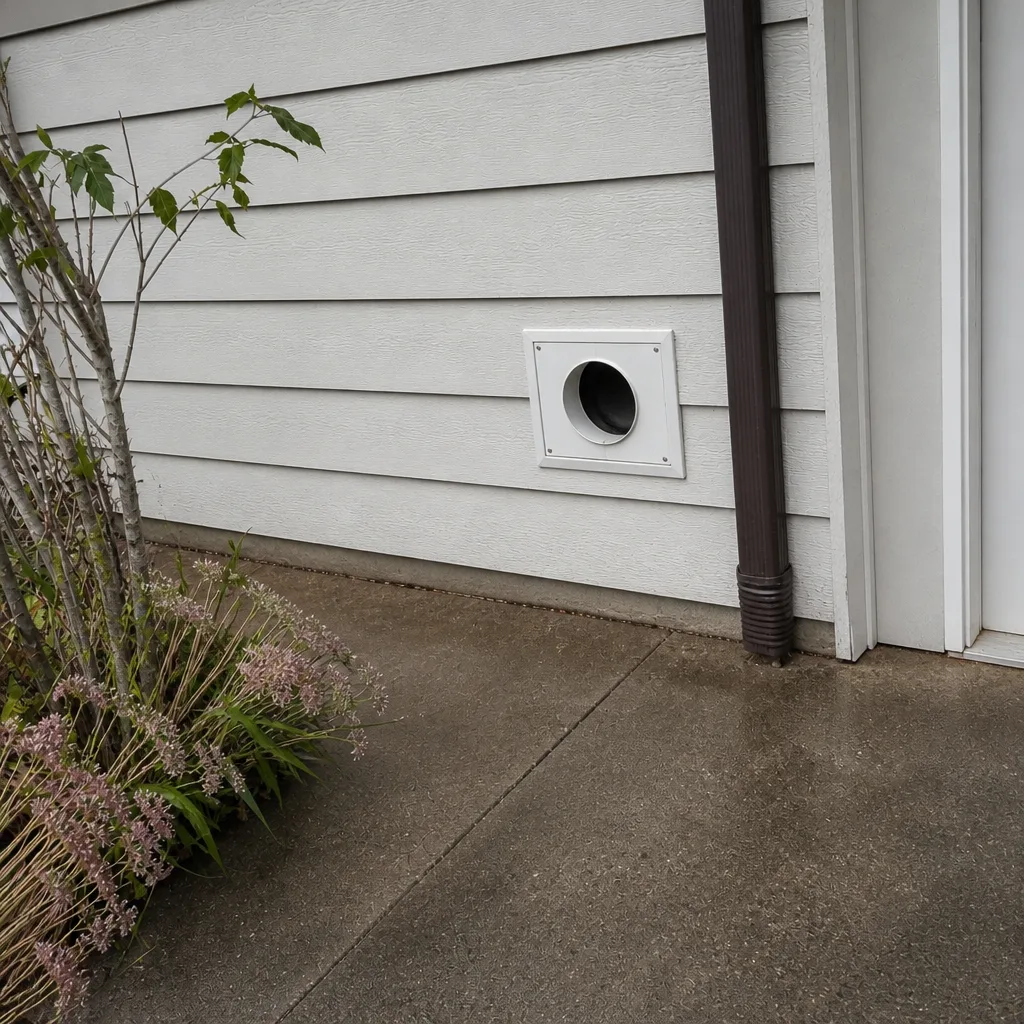
- Dryer vent cleaning: a focused, small-scope service priced separately from the main duct work. This is a fire-risk service, not a routine cleaning add-on. For details, see our dryer vent cleaning page.
- HVAC system cleaning plus duct repair and sealing: when leaks, disconnected joints, or degraded liner are involved, the work goes beyond cleaning. This is priced per job after assessment.
- Sanitizing or air quality upgrades: where filtration or purification improvements are recommended, using Honeywell and Aprilaire components, quoted per system.
We price per system, we agree the price before work starts, and we show before-and-after photos of your own ductwork. The written estimate is the final price – not a starting point for a conversation on site.
Common Mistakes to Avoid
- Waiting for the problem to “get worse before calling.” Duct contamination doesn’t self-resolve, and running a system with a disconnected joint or degraded liner continues to distribute whatever the duct is shedding. Catching it earlier means less cleaning and less repair.
- Cleaning without repairing. A cleaning that leaves a separated joint or a sagged flex run in place solves half the problem. Every run of the system should be assessed for airflow and leakage before it’s declared done. If the work doesn’t include a repair and sealing option, keep asking questions.
- Ignoring the air handler. The plenum and evaporator coil are the front door to the duct system. A system that has never had the coil evaluated is a system with an unknown source problem.
- Choosing the per-vent coupon price. A per-vent price is not a system price, and it’s not a total. Compare whole-system estimates against each other, and ask what the written estimate covers.
- Skipping the dryer vent because “it’s a separate thing.” Dryer vents are the highest fire-risk duct in the house, and lint accumulation is the most common cause. If it’s been years since the line was checked, that’s a service worth scheduling independently of the main duct work.
- Assuming the equipment is all the same. Entry-level machines and professional-grade Rotobrush or Nikro systems are not equivalent. Ask what equipment is coming into your home before you book.
- Ignoring health patterns that don’t fit the seasons. If symptoms rise when the HVAC runs, in both winter and summer, the correlation is worth acting on. The right first step is an assessment – not a guess.
See the difference
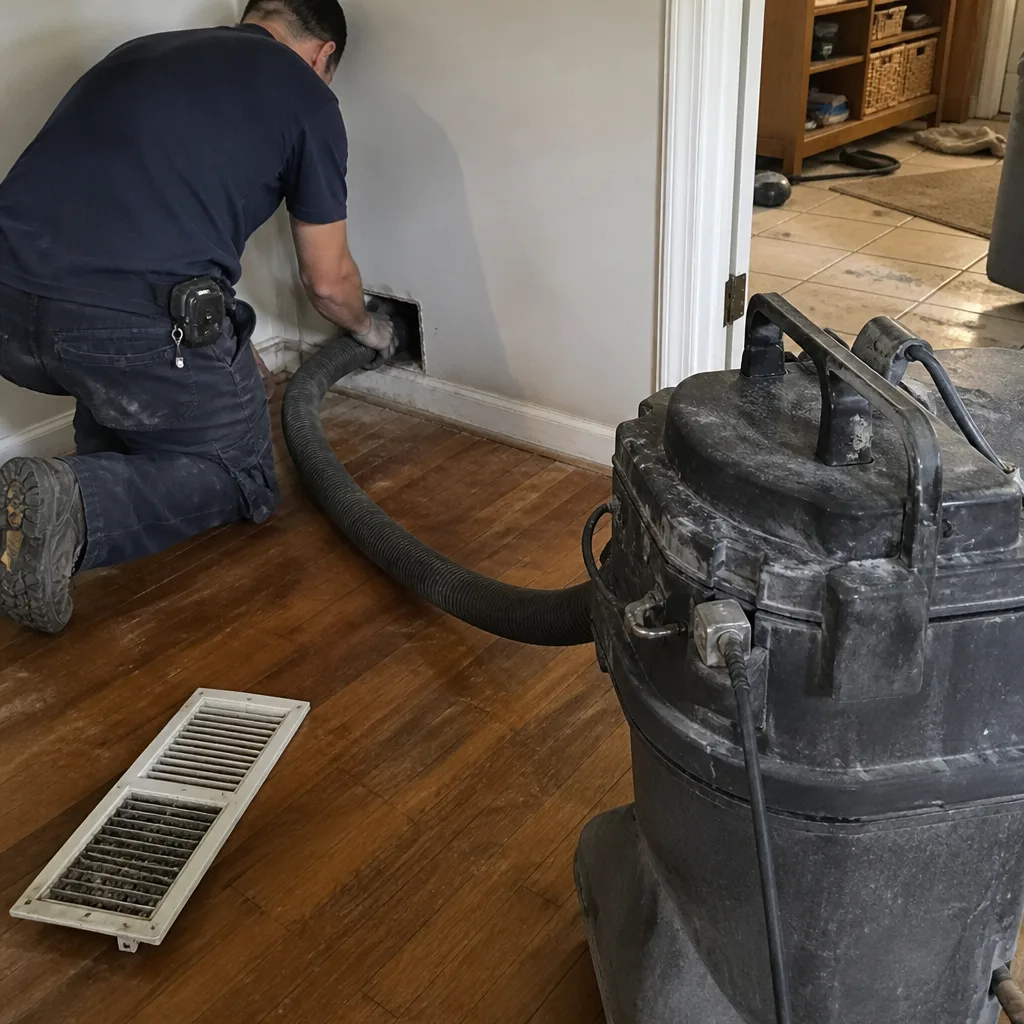 Before
 After
 Before
 After
 Before
 After
When to Call a Professional
Some signs are ambiguous and can wait. Others are clear signals to book an assessment. The case to call is strongest when any of the following is true: you’re seeing dark oily rings around registers rather than light gray dust; a musty odor appears when the system starts; allergy symptoms track with HVAC runtime rather than outdoor seasons; you can hear airflow escaping in a crawl space or utility area; a room has become progressively colder or warmer with no insulation or window changes; or the system hasn’t had the air handler and ductwork evaluated in recent memory. None of these require a dramatic justification. Together they’re enough. Edmonds Air Duct Cleaning Pros offers free estimates in Edmonds – call (866) 883-0691. We answer 24/7. Fast dispatch from 7am to 7pm, Sunday through Friday.
Frequently Asked Questions
The most reliable signs are dark oily rings around registers, a musty odor that appears when the HVAC starts, uneven room temperatures that persist or worsen over time, and allergy symptoms that rise when the system runs. Any one of these deserves a proper assessment. Call (866) 883-0691 for an exact quote – estimates are free.
Routine whole-system residential duct cleaning typically runs in the lower to middle hundreds of dollars, priced per system rather than per vent. Jobs that include HVAC system cleaning, duct repair, or sealing are quoted per job after assessment. The written estimate sets the final price. Call (866) 883-0691 for a free estimate.
Very cheap quotes are usually per-vent pricing that expands on site, or a cleaning that doesn’t include the air handler or duct inspection. A professional-grade system cleaning that includes register readings and before-and-after photos costs more because it’s doing more. We give one flat price per system, agreed before work starts. Call (866) 883-0691 to get a comparative estimate.
Ask for before-and-after photos of your own duct interior, not stock images. A proper job includes documentation of what was removed and what defects were found. We photograph what we find. Call (866) 883-0691 to schedule an assessment.
Most homes don’t need it on a fixed schedule. The right trigger is evidence – warning signs on this page, recent remodeling, moisture or mold concerns, or a system that hasn’t been evaluated in years. If the signs aren’t there, you don’t need it. Call (866) 883-0691 if you want an assessment to establish a baseline.
No – but it does mean something needs assessment. A musty smell that appears when the system starts usually points to the air handler, evaporator coil, or return ductwork. Cleaning the wrong part of the system won’t fix it, which is why a proper assessment comes first. Call (866) 883-0691 to book one – estimates are free.
The Bottom Line
Duct warning signs are quiet. Uneven temperatures, weaker registers, longer runtimes, a smell that only appears when the system starts, dark rings on a register, a child who coughs more in the house than outside, a sagged flex run in the crawl space – each on its own is easy to explain away. Together they tell you the duct system has changed, and it’s worth understanding why. Routine air duct cleaning addresses contamination, but the full-system approach – assess, clean, and restore – addresses the leaks, the degraded liner, and the air handler source that routine cleaning alone doesn’t touch. Our technicians have up to 12 years of experience, we use Rotobrush and Nikro equipment, and we work with Honeywell and Aprilaire products where filtration upgrades are the smarter long-term fix.
If the signs on this page line up with what you’ve been noticing, call (866) 883-0691 for a free estimate. We answer 24/7. Fast dispatch from 7am to 7pm, Sunday through Friday.
Written by the team at Edmonds Air Duct Cleaning Pros.