
Last updated November 25, 2026
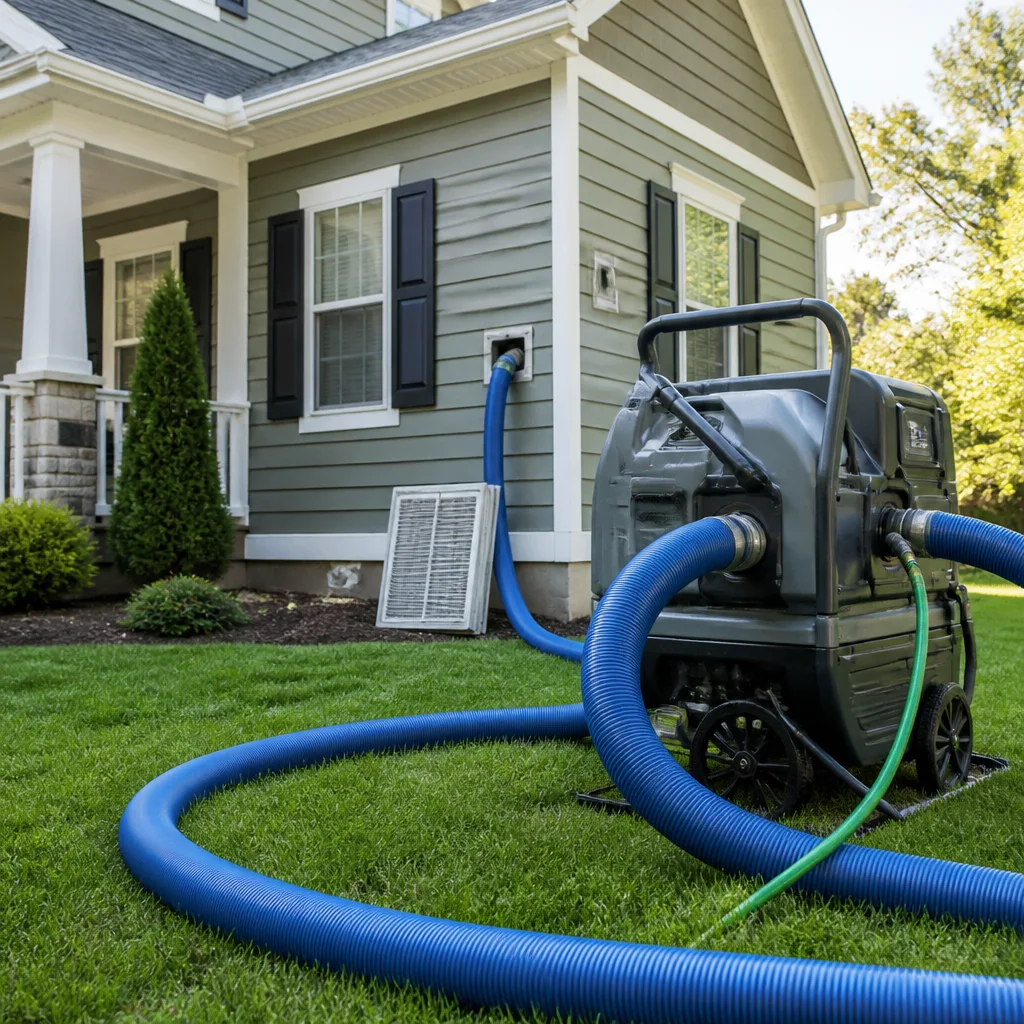 Whole-home duct cleaning
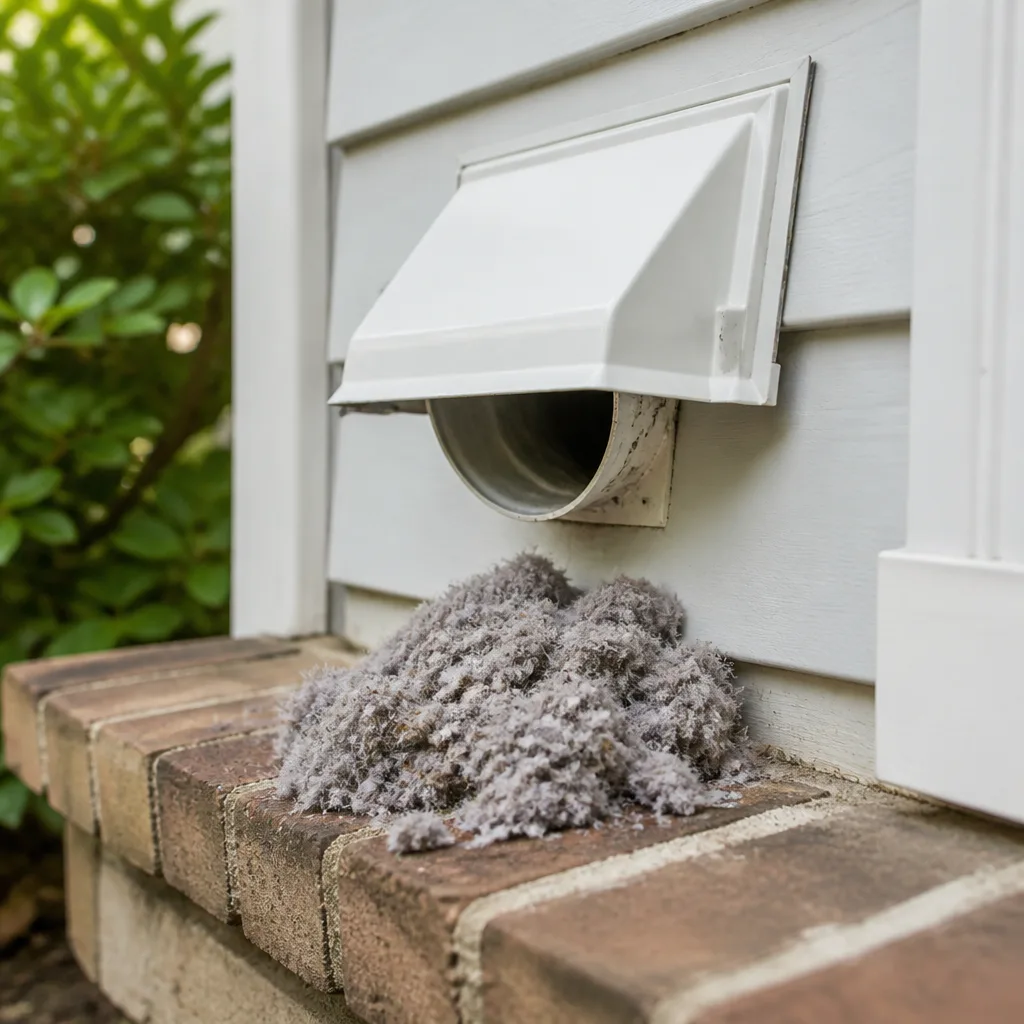 Dryer vent cleaning
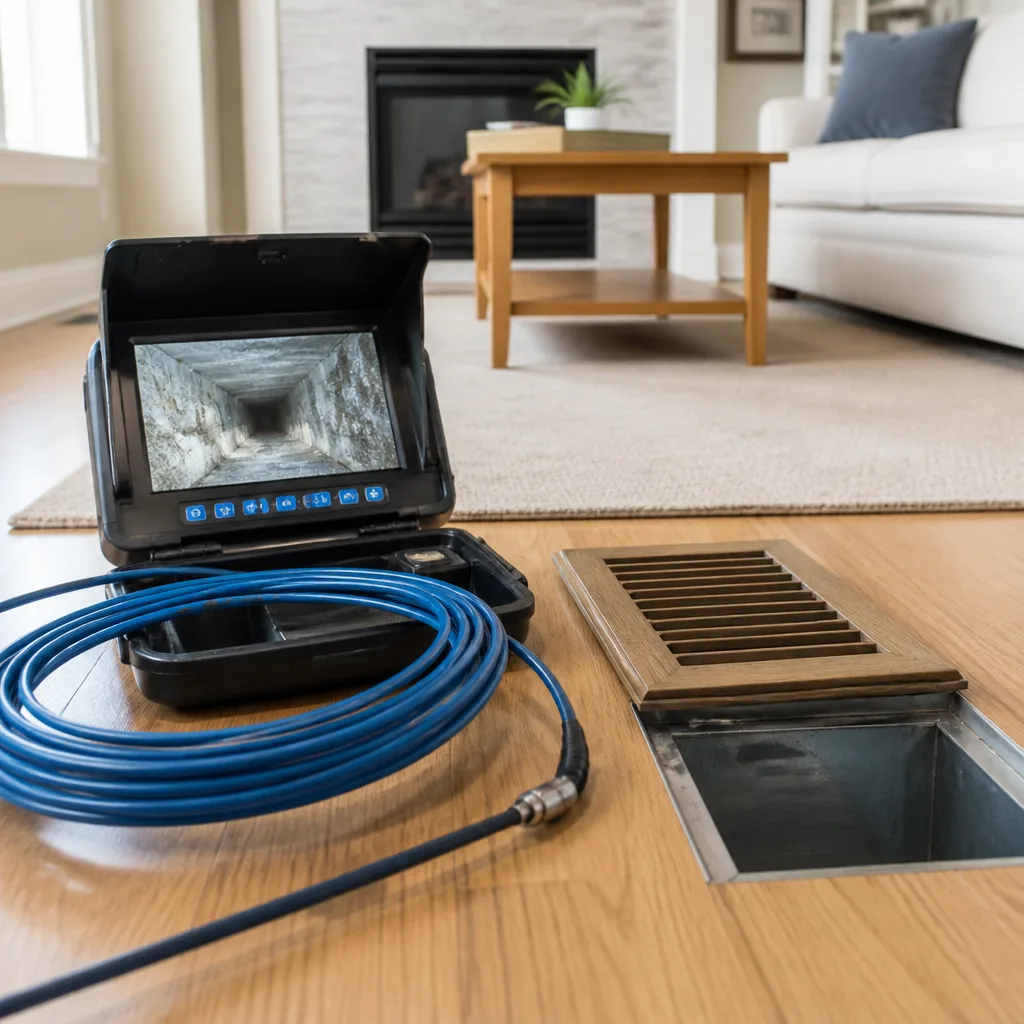 Camera inspection
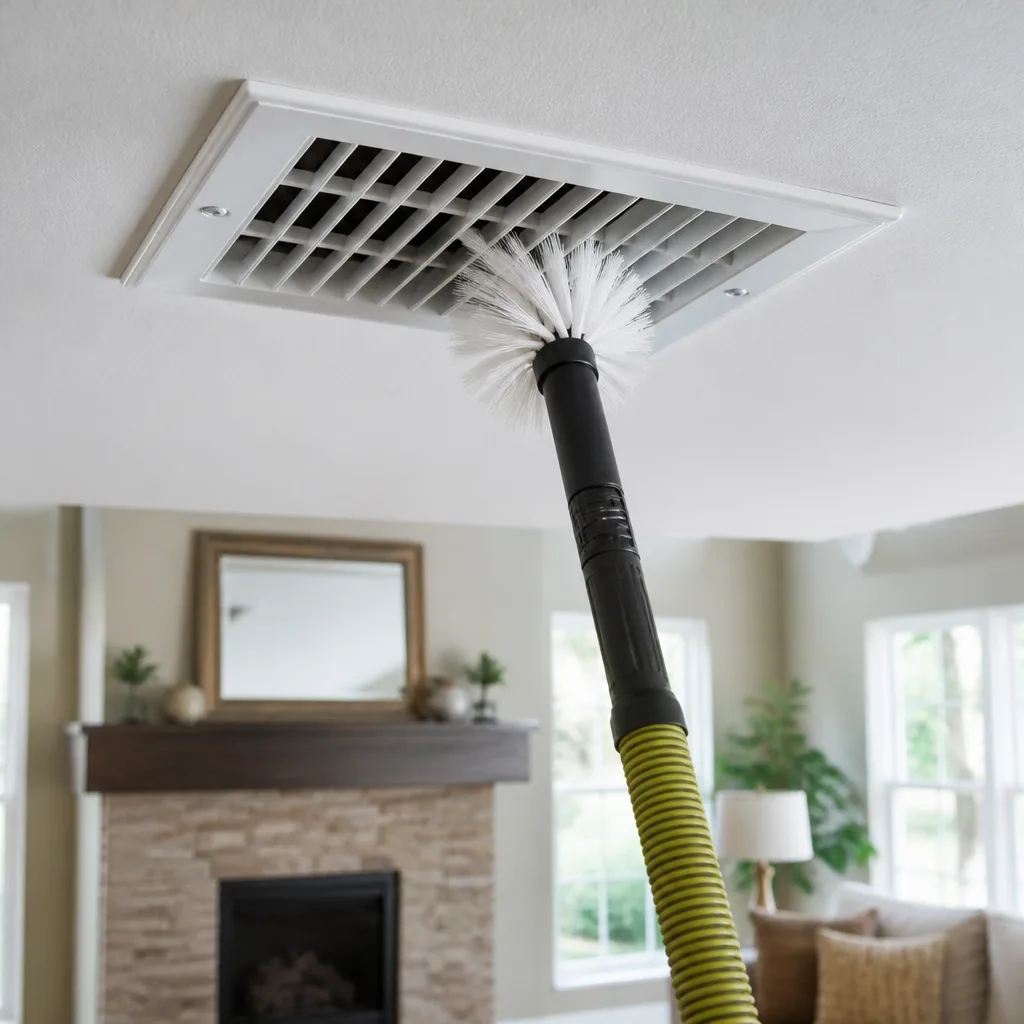 Sanitizing & deodorizing
Whole-system duct and dryer vent check with before-and-after photos - you see exactly what came out of your vents
That "$99 whole-house special" is a bait ad - the real number appears once they are in your hallway, or the "clean" is a shop-vac at the register. We photograph the inside of your ducts before and after instead.
Seasonal Air Duct Cleaning Care for Edmonds: Year-Round Homeowner’s Guide
By the time you notice reduced airflow or smell something musty from a register, you’re usually looking at two or three seasonal loading cycles that have stacked on top of each other, and each layer made the one above it harder to remove. That’s the part most homeowners miss. Duct contamination in Edmonds isn’t one problem that appears in one season. It’s four different loading conditions per year, each depositing a different kind of material, and the sequence matters as much as the cleaning itself. This guide maps each of Edmonds’ four seasons to the specific action that interrupts accumulation before it compounds, and it shows you how to build a rolling 12-month log so your next cleaning is scheduled by observed conditions rather than a generic industry average.
Quick Answer
Air ducts in Edmonds need attention at four distinct points in the year: a pre-heating inspection each fall before the first heat cycle, filtration checks through the winter heating season, post-bloom register attention each spring, and wildfire smoke assessment in late summer. Rather than cleaning once every few years on a fixed schedule, track what each season deposits and let the log tell you when cleaning and sealing are actually due. Our technicians have up to 12 years of experience reading exactly these patterns in Western Washington homes.
Styles & brands we work with
- Whole-home duct cleaning
- Dryer vent cleaning
- Camera inspection
- Sanitizing & deodorizing
Table of Contents
- Why Edmonds Ducts Face Four Threats, Not One
- Fall: The Heating Startup That Redistributes Summer’s Debris
- Winter: Static Charge and Why Filtration Matters Most Now
- Spring: Pollen, Open Windows, and Register Contamination
- Late Summer: Wildfire Smoke and How PM2.5 Behaves in Ductwork
- Building a Rolling 12-Month Duct Log
- Sealing and Repair: The Step Cleaning Alone Skips
- Dryer Vent Care Through the Seasons
Why Edmonds Ducts Face Four Threats, Not One
A duct system in Edmonds doesn’t sit still through the year. The air moving through it changes in temperature, humidity, and particle load as the seasons turn, and so does what settles on the duct walls. In fall the furnace comes on after months of stillness and lifts a summer’s worth of settled material back into circulation. In winter the system runs hard and continuous, and the constant airflow changes how particles behave on duct surfaces. In spring the windows open and outdoor pollen enters the return side. In late summer, smoke from regional fires finds its way into the same system.
Those four loads interact. Dust that settles in summer gets baked onto duct walls during winter heating. Pollen that enters in spring becomes a food source for the same organisms that thrive on settled dust. Smoke particles in late summer bond to surfaces already coated from the earlier cycles. That’s why a single annual cleaning isn’t the same as managing the sequence. When we assess a home in Edmonds, we’re looking at which cycles have had a chance to compound and where.
The practical takeaway is straightforward: the question isn’t whether to clean annually, it’s which seasonal actions interrupt the chain before the next layer builds. Read on for what each season actually does, and how to respond to it.
Fall: The Heating Startup That Redistributes Summer’s Debris
Fall is the highest-risk period in an Edmonds duct system, and it’s not because of what fall brings in. It’s what fall moves around. Through the warmer months the system sits mostly idle or runs only in fan mode, and whatever has settled onto duct floors and register grilles stays there. Then the first cold snap triggers the furnace, the blower pushes a full volume of heated air through the same ductwork, and a summer’s worth of settled debris is lifted and distributed to every room. If you’ve ever noticed a faint musty smell the first time the heat comes on in October, that’s the sequence playing out.
The interruption is a pre-season inspection before the first heat cycle. Here’s what we recommend each fall in Edmonds:
- Walk the house before the first heat day and check every supply register for visible dust, dark staining, or a musty smell. Note which rooms are worst.
- Pull the return grille and look at the filter. Confirm its MERV rating matches what your system can handle and that it isn’t compressed or bypassing at the edges.
- Confirm the blower compartment is clean. Debris that collects there is the most easily redistributed material in the whole system.
- If registers showed visible buildup or you smell anything when the heat runs, schedule a full-system assessment before the heating season deepens.
- Note the date and what you saw. That entry is the first line of your 12-month log, and it will tell you a great deal next year.
Professional-grade equipment matters here. When we clean a system in Edmonds before heating season, our technicians use Rotobrush and Nikro systems, the same machines commercial HVAC contractors use, because a light vacuum from a shop vac doesn’t reach the settled material on duct runs behind drywall. This is the moment to do air duct cleaning properly if it’s due.
Winter: Static Charge and Why Filtration Matters Most Now
During Edmonds’ sustained heating season, the duct system runs for long, continuous stretches. That does two things. It moves more air, and it changes the surface behavior of the duct walls. Continuous warm, dry airflow against metal and flex duct surfaces builds a static charge, and that charge attracts fine particulate that would otherwise drift through. The result is accelerated adhesion: dust and fine particles that in summer might have settled loosely now cling to duct walls and to the return side of the system. That’s why a system that was passable in September can look thickly coated by February.
This is the season where filtration does the most work, and where the wrong filter does the least. A few points worth knowing:
- MERV rating is a balance, not a competition. A higher MERV filter captures more, but a filter that’s too restrictive for the blower can reduce airflow and stress the system. Match the filter to what your equipment was designed to handle.
- Honeywell and Aprilaire filtration products are what we work with because they’re designed as part of an air-handling system, not as an add-on. Cabinet-style filters and media filters hold up better through a full heating season than pleated panel filters, which load and restrict faster.
- Change interval is a winter question. During heavy heating months a filter loads faster. Check it monthly through the season rather than on a calendar.
- Check the filter seat. A perfectly rated filter that bypasses air at its edges is doing very little. The seal around the filter is as important as the filter itself.
If the winter season in Edmonds reveals heavy buildup despite a good filter, that’s the point to consider professional HVAC cleaning rather than waiting for spring.
Spring: Pollen, Open Windows, and Register Contamination
Spring in Edmonds brings pollen and the instinct to open the windows. That combination creates register contamination even in systems that were cleaned recently. Here’s the mechanism: an open window creates a pressure path that can draw outdoor air in through the return grille and into the duct system, and the pollen that rides that air deposits on register surfaces and the return side of the system. It doesn’t look dramatic. A light yellow-green film on a supply register, a slightly musty smell, a filter that loads much faster than usual.
The right response in spring is not a full cleaning. It’s targeted attention to the entry points:
- Wipe supply and return grilles and inspect them for film. A register that films over again within weeks is telling you something.
- Check the filter every few weeks through peak bloom. A filter loading in half its normal time means more particulate is entering than the system was designed for.
- Run the system fan periodically with windows closed to keep air moving through the filtration path rather than relying on window drafts to ventilate.
- After bloom season, note the filter change interval and any register filming in your log. That’s the data that will tell you whether next spring’s cleanup should start earlier.
If a register is musty or visibly soiled by mid-spring, a targeted sanitizing pass or a light register cleaning can resolve it. If several rooms show the same pattern, that’s a signal the return side needs assessment. Either way, spring is a season to watch, not a season to panic.
Late Summer: Wildfire Smoke and How PM2.5 Behaves in Ductwork
Late summer smoke from regional wildfires reaches Edmonds, and fine PM2.5 particles don’t behave the way household dust does. Dust is relatively coarse, it settles, and it stays on surfaces until disturbed. PM2.5 is small enough to remain airborne for long periods and to pass through ordinary filters. When smoke-laden air enters the duct system, some of it deposits on duct walls, some of it stays suspended, and some of it is recirculated. A homeowner may notice a smoky smell indoors even when the windows are closed, or a haze that persists when the outside air is clearer.
A filter swap alone is not always enough. Three cases tell you when smoke contamination justifies a professional response rather than a filter change:
- The smell persists after the outdoor air improves. If the smoke smell remains in the house for days after the regional smoke clears, the system has retained contamination.
- Multiple rooms smell it equally. That pattern points to the duct system rather than a single leaking window or a room-specific source.
- A filter change doesn’t clear it. If a new filter of the correct MERV rating doesn’t resolve the smell within a day or two, the contamination is downstream of the filter.
For these cases we use Abatement Technologies equipment, which is built for contamination and remediation-level cleaning rather than routine maintenance. That capability is the difference between cleaning a system and restoring it. A professional assessment in Edmonds will tell you which is needed.
Building a Rolling 12-Month Duct Log
A generic 3-to-5-year cleaning interval is a starting point, not a schedule for your home. Duct loading depends on your system, your filter, your household, and your home’s particular exposure to the four seasonal loads above. The way to know whether your interval should compress or extend is to keep a rolling 12-month log that tracks actual observations. Here’s how to build one.
Create a page or a notes file with a column for date, observation, action taken, and follow-up. Then log these entries:
- Register appearance per room, checked monthly. Note visible dust, film, or staining.
- Filter load at every change or check. Compare light, moderate, heavy.
- Smell at first heating cycle, at first-spring window opening, and during any smoke event.
- Airflow from a specific register, observed by hand feel or a strip of tissue, at the same register each time.
- Professional assessment date and what was found, if you’ve had one.
After a year you can read the pattern. If register filming appears within weeks of cleaning, your interval should be shorter than the average. If a year passes with little register dust and steady filter life, you’ve got evidence you can extend it. That’s the difference between reactive cleaning and an assessment-driven schedule. Our technicians have up to 12 years of experience and rely on Edmonds Air Duct Cleaning Pros observations of these cycles to advise whether cleaning is actually due in a given home.
Sealing and Repair: The Step Cleaning Alone Skips
Cleaning a system without checking for leaks is incomplete work. Leaks in the duct system are the reason some Edmonds homes show persistent register dust after a recent cleaning: air from a leaking joint or a poorly sealed boot carries material back in, or the leak itself causes negative pressure that pulls unfiltered air from a crawlspace or attic. Cleaning restores the duct surfaces; sealing keeps them clean.
When we assess a system in Edmonds, we look for the leak points that cause the most trouble:
- Joints where flex duct meets a supply boot or a trunk line.
- Disconnected or crushed flex runs, common in older crawlspace installation.
- Register boots that aren’t sealed to drywall or flooring.
- Return plenum seams and the filter access point.
We repair and seal those points as part of the same visit when we’re already in the system. Duct repair and sealing capability means energy-loss problems and leaks are fixed, not just cleaned around. Full-system work is why our service menu covers cleaning, sealing, repair, dryer vent cleaning, and sanitizing under one company, so nothing gets handed off between vendors. We also work with Honeywell and Aprilaire air quality products so we can recommend filtration upgrades at the source rather than cleaning dirty air repeatedly.
Dryer Vent Care Through the Seasons
Dryer vents aren’t on a seasonal cycle the way supply ducts are, but they deserve a line in the same 12-month log because the consequence of neglect is different. Lint accumulation in a dryer vent is a fire risk, and it builds in a way that cleaning supply ducts doesn’t address. In homes in Edmonds where the dryer sits on an interior wall with a long vent run, lint has more distance to travel and more opportunity to lodge, and the risk compounds quietly.
The practical seasonal rhythm:
- Check the exterior dryer vent flap each season to confirm it opens freely when the dryer runs.
- Clear visible lint from the transition duct behind the dryer each fall and spring.
- Have the full vent run professionally cleaned if airflow drops noticeably, the exterior flap moves only weakly, or the dryer takes noticeably longer to finish a load.
- Log the cleaning date alongside your duct entries so you can see the pattern over multiple years.
Fire risk reduction is a real outcome here, not a sales line. A clean vent run is measurable safety. If you haven’t seen the inside of your dryer vent in several years, it’s worth a look by a technician with the right equipment.
Common Mistakes to Avoid
- Cleaning only when you smell something. By the time smell reaches the register, two or three seasonal cycles have typically compounded. Cleaning before the smell starts is easier and cheaper than after.
- Skipping the fall pre-heating inspection. First heat cycle redistributes everything that settled all summer. Checking before that happens is the single highest-value action in the year.
- Buying the highest MERV filter regardless of system. A filter too restrictive for your blower reduces airflow and stresses equipment. Match it to what the system was designed for, and check the filter seat too.
- Treating spring pollen as a duct-cleaning problem. Spring is a register and filter attention season, not automatically a full cleaning season. Let the log tell you the difference.
- Ignoring smoke smell once outdoor air clears. PM2.5 contamination downstream of the filter doesn’t clear on its own. If the smell persists, the system retained it.
- Cleaning without checking for leaks. Dust that returns to the system after a cleaning usually comes in through a leaking joint or unsealed boot. Clean and seal together, or the cycle repeats.
- Following the 3-to-5-year average blindly. Your home’s loading depends on filter, household, and exposure. A rolling log tells you whether to compress or extend the interval, which is more useful than any average.
See the difference
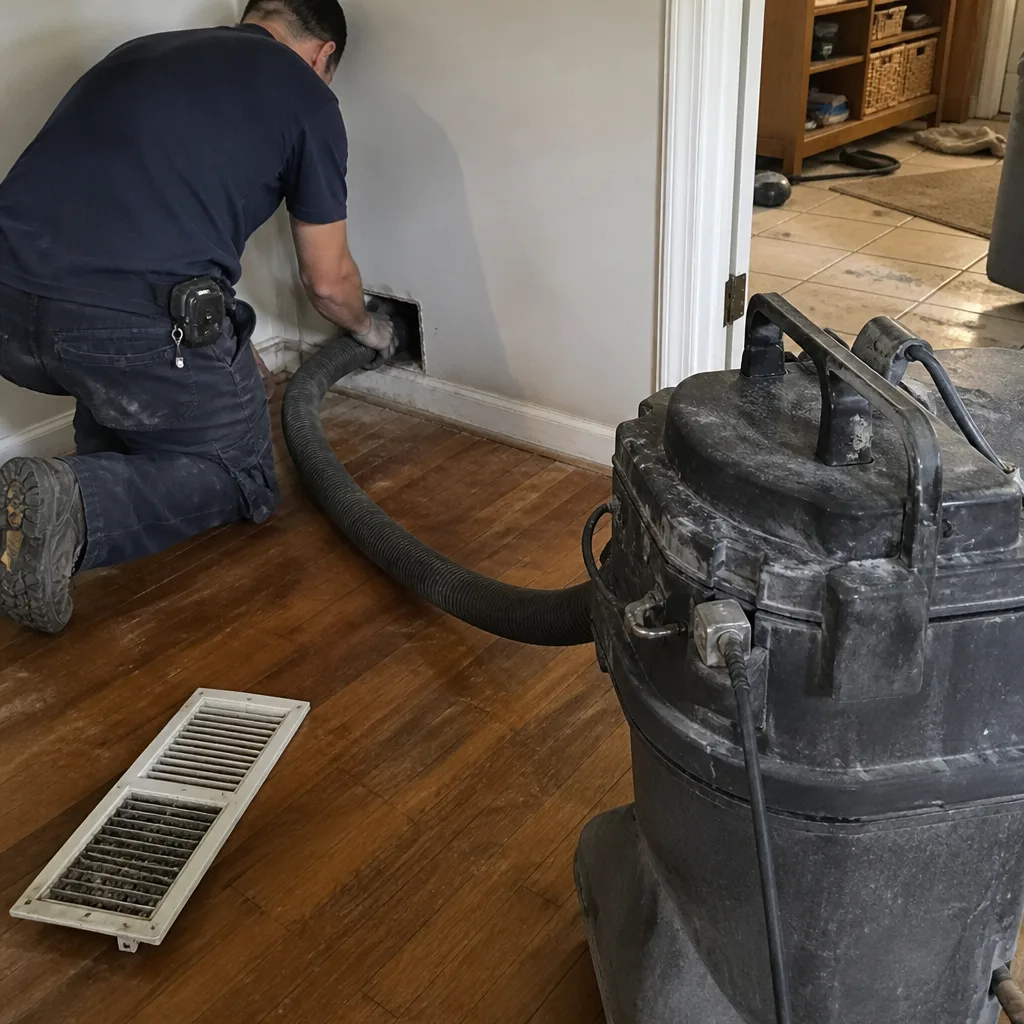 Before
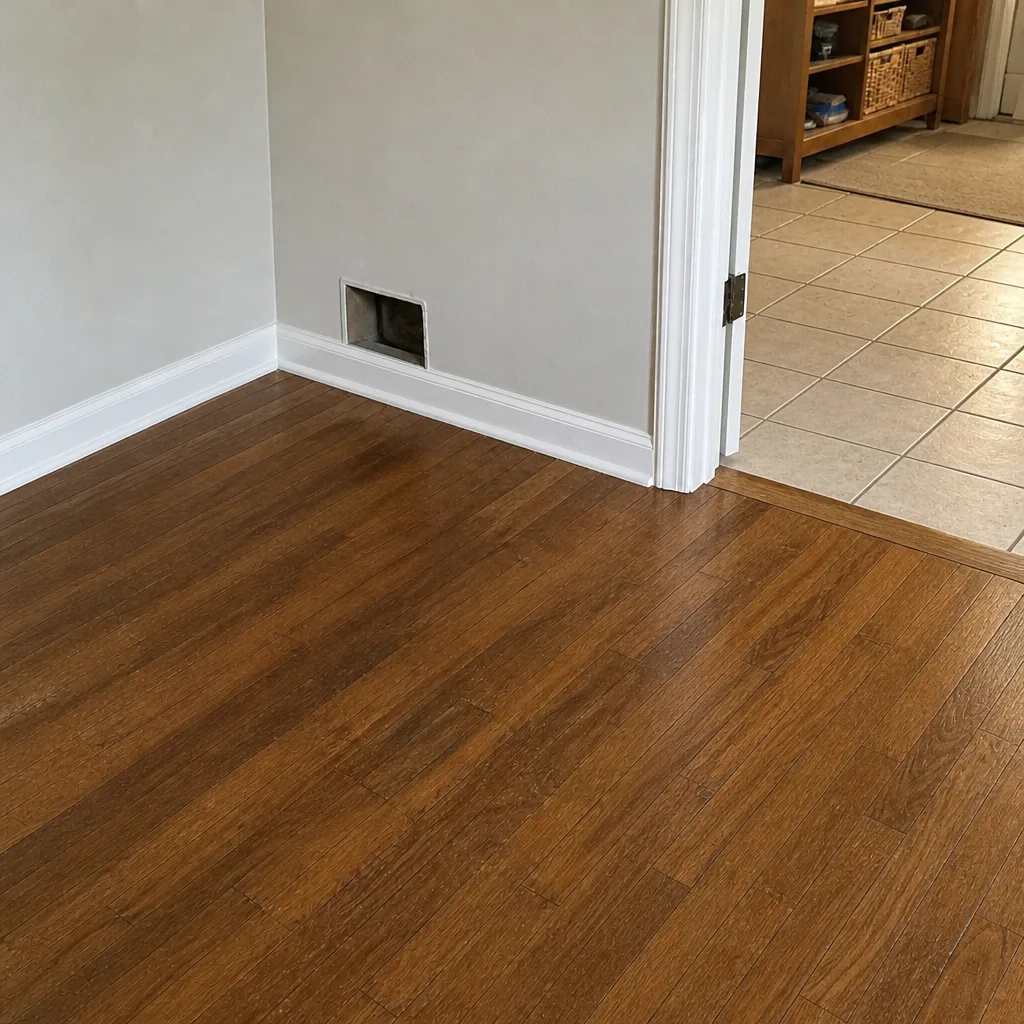 After
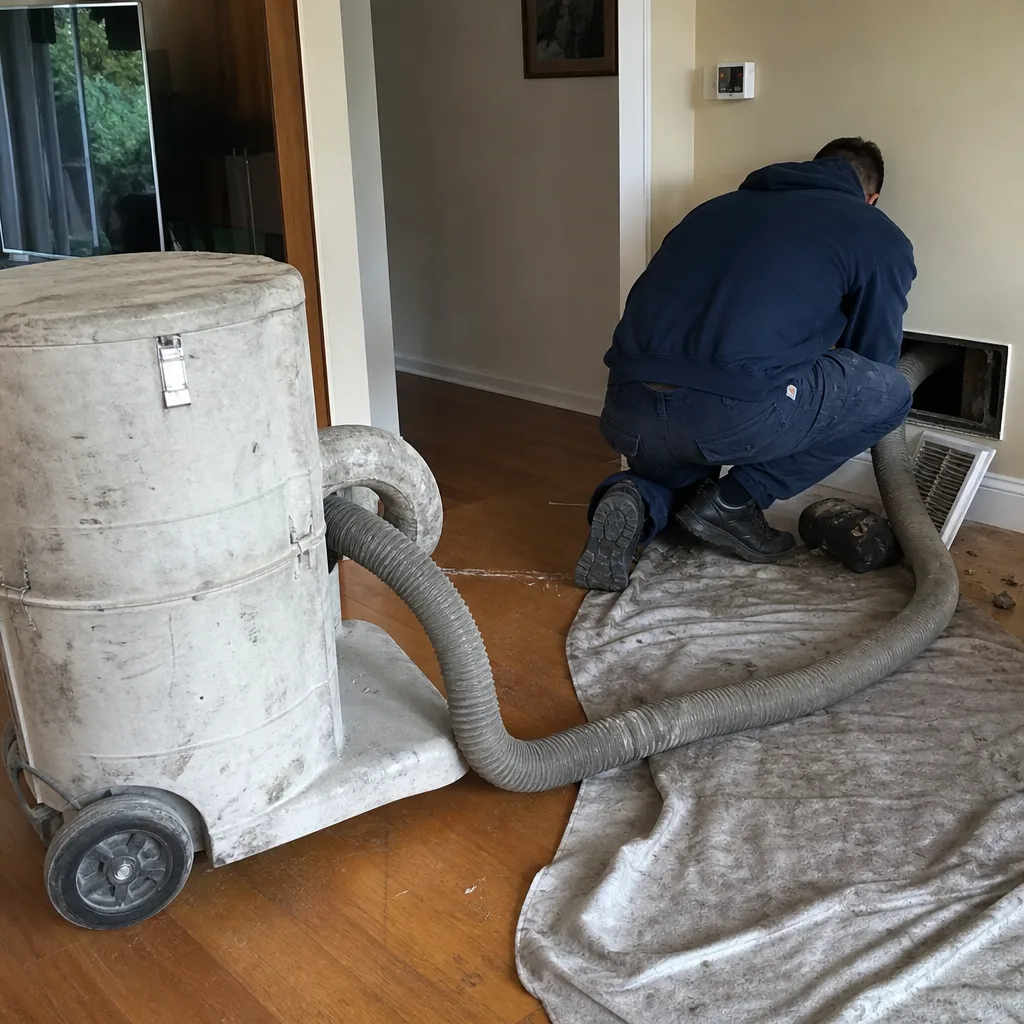 Before
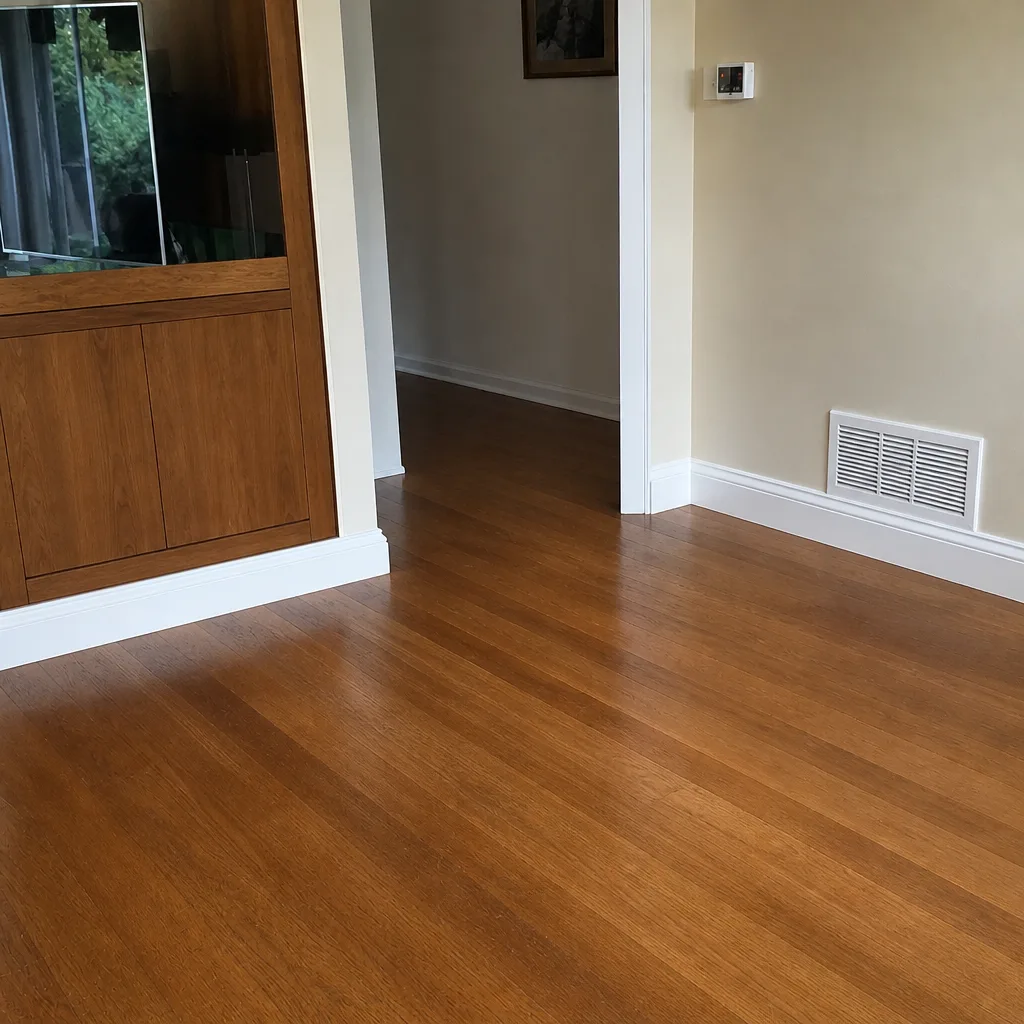 After
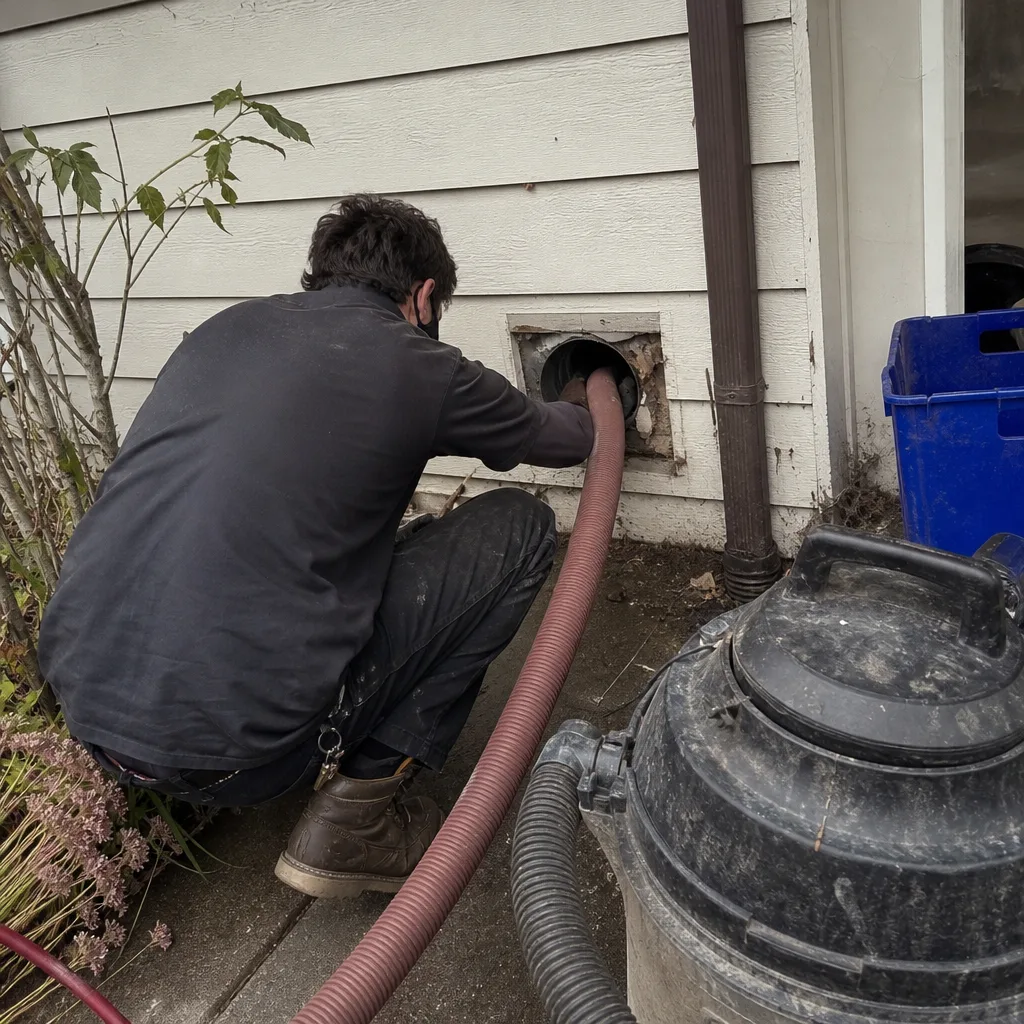 Before
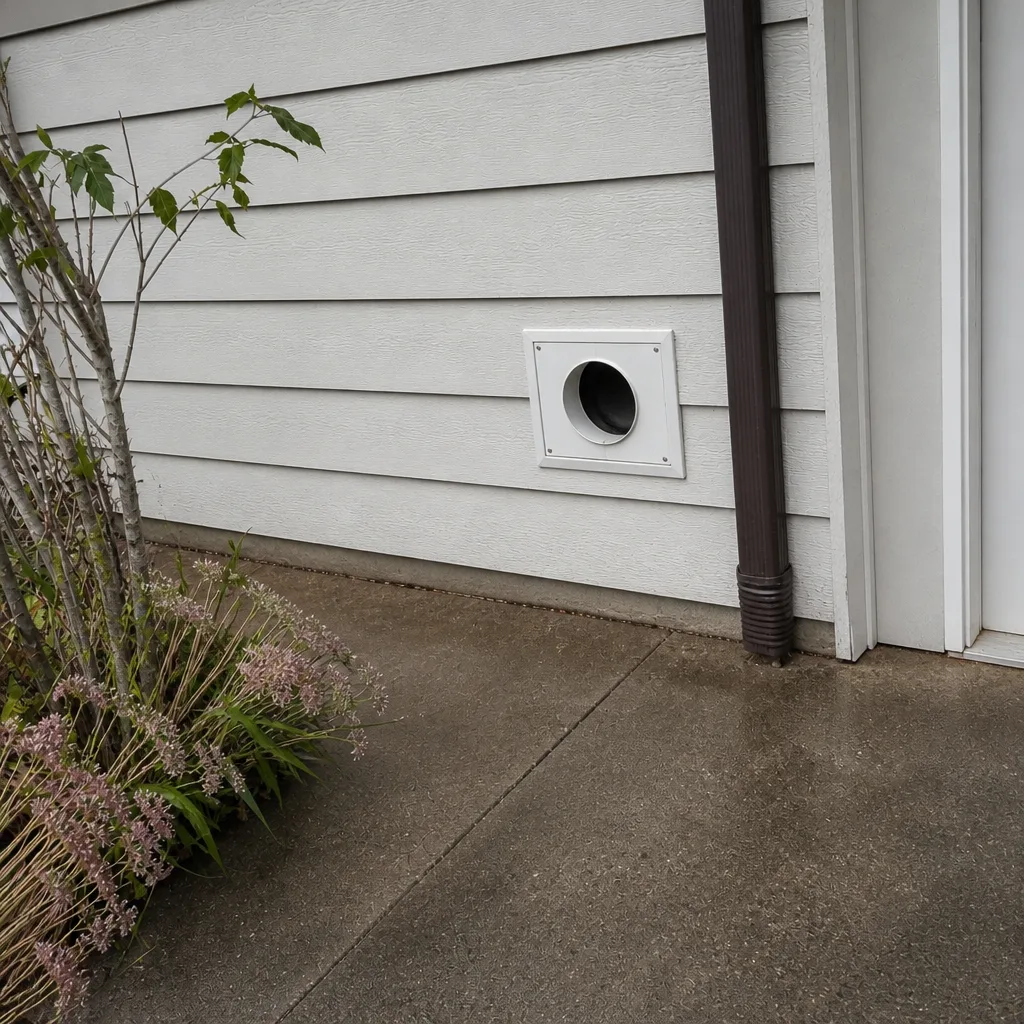 After
When to Call a Professional
Call a professional when you see visible register buildup that doesn’t clear after a register wipe, when the musty smell returns within days of a filter change, when the smoke smell persists after regional smoke clears, or when airflow drops noticeably in more than one room. Call if the dryer takes longer than usual, if the exterior vent flap opens only weakly, or if you’ve never had the vent run inspected. Call before the first heating season if you can’t remember the last cleaning. Edmonds Air Duct Cleaning Pros offers free estimates in Edmonds. Call (866) 883-0691. We answer 24/7. Fast dispatch from 7am to 7pm, Sunday through Friday.
Frequently Asked Questions
There’s no single interval that fits every home in Edmonds. The honest answer is that the right interval depends on filter type, household size, whether pets live indoors, and how the home performs across the four seasonal loads described in this guide. Track register appearance, filter load, and smell for 12 months and you’ll have a better answer than any average. If you want a professional read before you start the log, call (866) 883-0691 for a free estimate; we’ll tell you what we see.
It’s the summer’s settled debris being redistributed. Through the warmer months duct material settles, and when the furnace first fires the blower pushes a full volume of heated air through the same ductwork, lifting that material back into circulation. A pre-season inspection before the first heat cycle interrupts this. If the smell comes back every fall, that’s a signal the system is holding more than a light cleaning can address. Call (866) 883-0691 for an assessment.
Yes, it can. PM2.5 particles are small enough to remain airborne and to pass through ordinary filters, and when smoke-laden air enters the duct system some of it deposits and some is recirculated. A filter change often helps, but if the smoke smell persists after outdoor air clears or returns every time the system runs, the contamination is downstream of the filter. Smoke contamination that persists warrants a professional response. Call (866) 883-0691 to have it assessed.
The right MERV rating is the one your system was designed to handle, not the highest rating available. A filter that’s too restrictive can reduce airflow and stress the blower. During Edmonds’ sustained heating season, check the filter monthly and confirm the filter seat seals properly, since a good filter bypassing at its edges isn’t doing its job. If you’re unsure what your system can take, ask us during an estimate. Call (866) 883-0691.
Often yes, at least for a while. Wiping register grilles and checking them for film is a routine step that easily fits a 12-month log, and it’s especially useful through spring bloom season. It becomes a professional question when the same registers film over again within weeks, when multiple rooms smell musty, or when airflow drops in more than one room. Those signals point to the system rather than the register. Call (866) 883-0691 for a free estimate when you reach that point.
Because leaks bring material back in. A leaking joint, an unsealed boot, or a disconnected flex run can pull unfiltered air from a crawlspace or attic into the system, and that air carries the same dust you just cleaned away. Cleaning restores duct surfaces; sealing keeps them clean. We check these points on every assessment and repair or seal them during the same visit when possible. To have it looked at, call (866) 883-0691.
The Bottom Line
Duct contamination in Edmonds is a sequence, not a single event. Fall heating startup redistributes a summer’s settled debris; winter static buildup accelerates adhesion and makes filtration the priority; spring window-opening introduces pollen into registers that were clean weeks before; late summer smoke introduces fine PM2.5 that doesn’t behave like dust. Managing the sequence means a pre-heating inspection each fall, filtration attention through winter, register and filter checks through spring, and a smoke assessment in late summer. A rolling 12-month log tells you whether your cleaning interval should compress or extend, which is more useful than any generic schedule. And when professional work is due, cleaning and sealing together keeps the results.
If this guide has helped you see the pattern in your own home, we’re here to talk it through. Professional-grade equipment, a full-system approach covering cleaning, repair, sealing, dryer vents, and sanitizing, and a written estimate that sets the price before work starts. Call (866) 883-0691 for a free estimate. We answer 24/7. Fast dispatch from 7am to 7pm, Sunday through Friday.
Written by the team at Edmonds Air Duct Cleaning Pros.