
Last updated November 25, 2026
 Whole-home duct cleaning
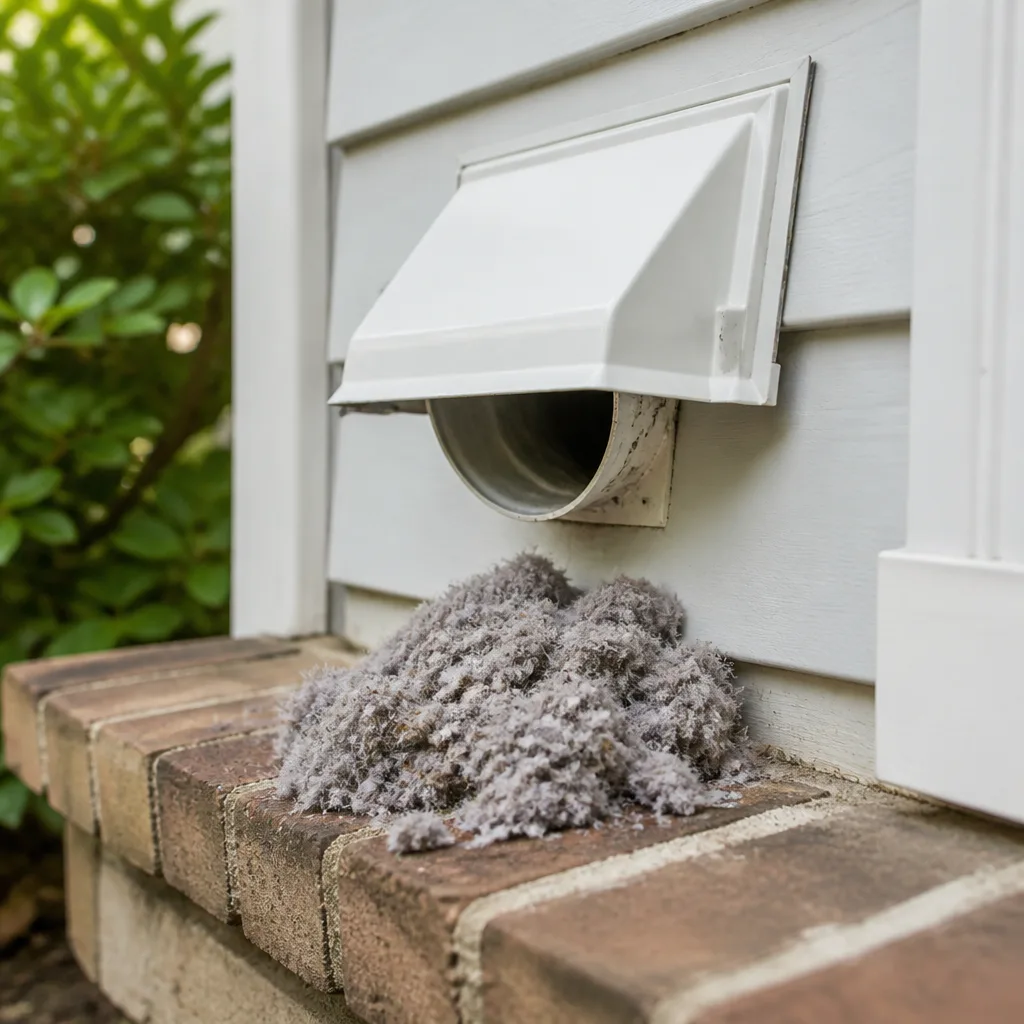 Dryer vent cleaning
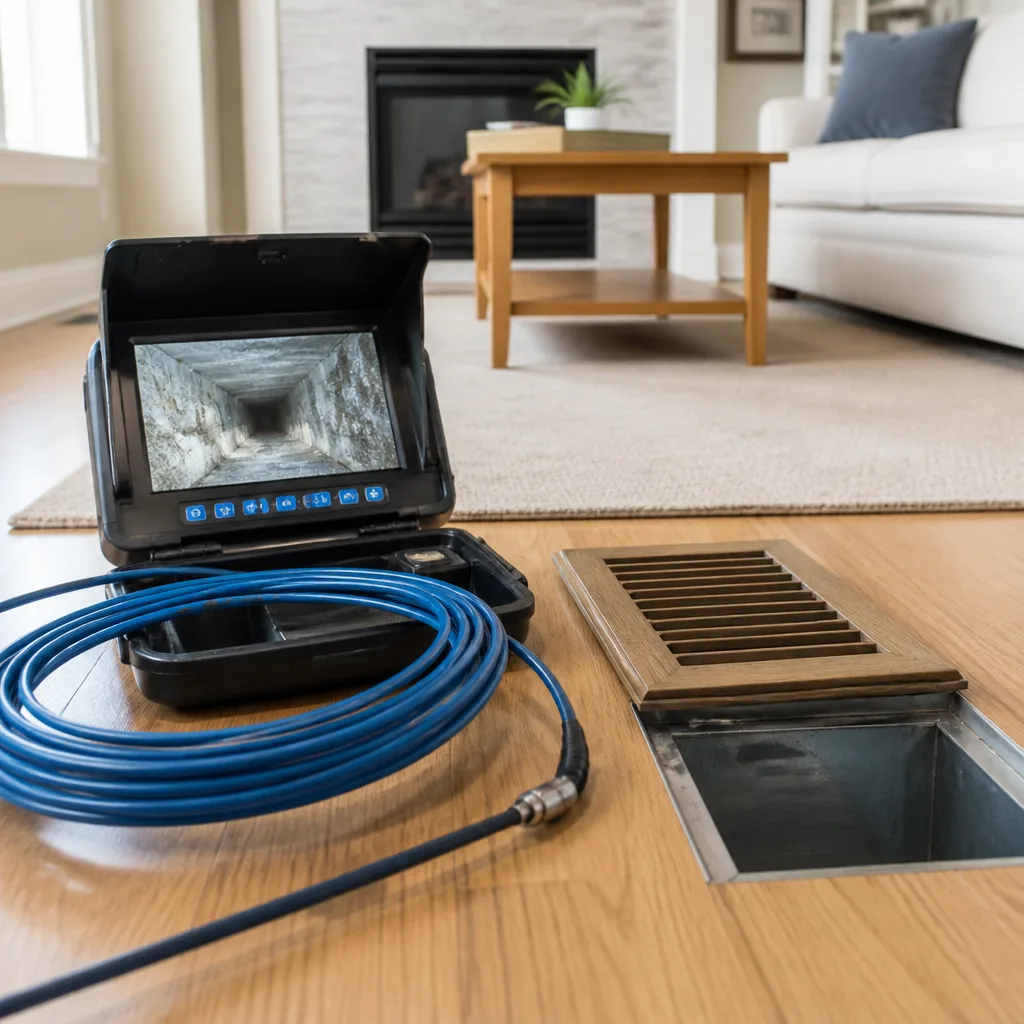 Camera inspection
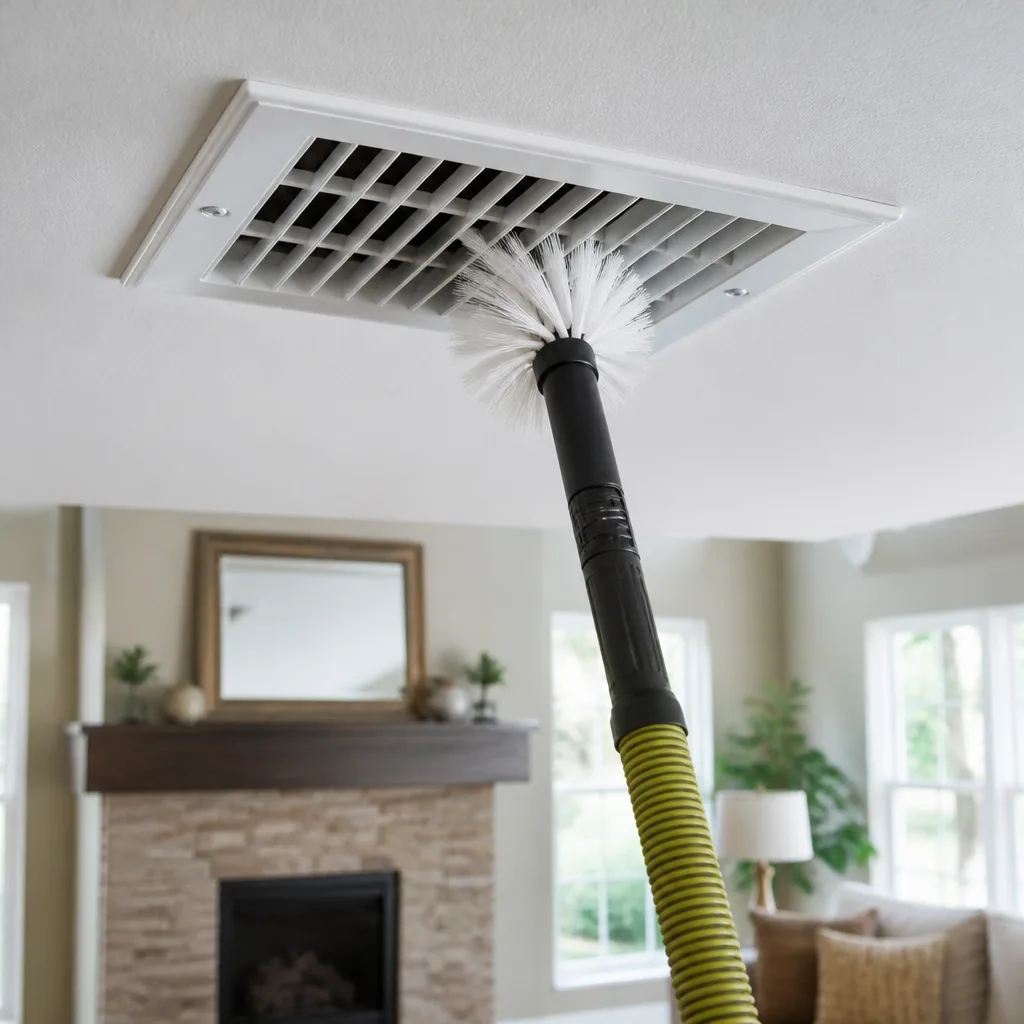 Sanitizing & deodorizing
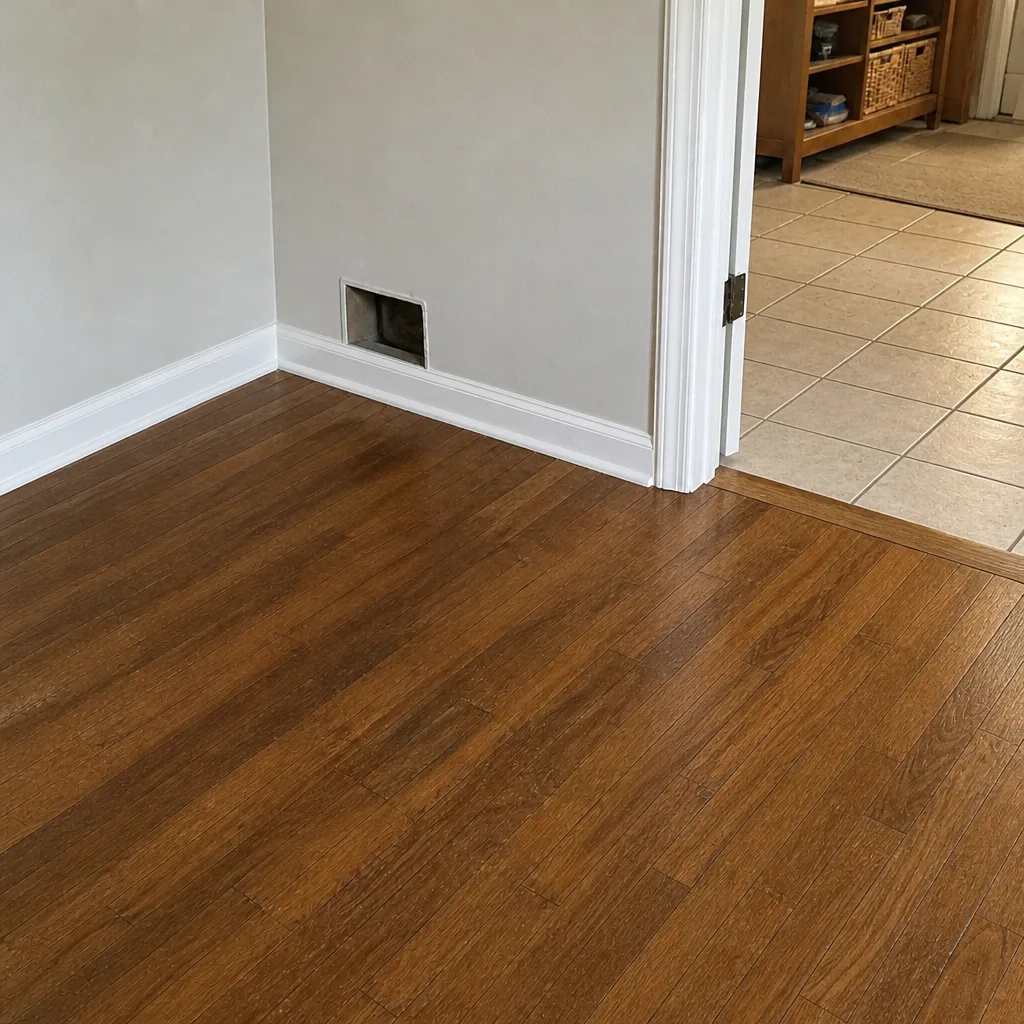
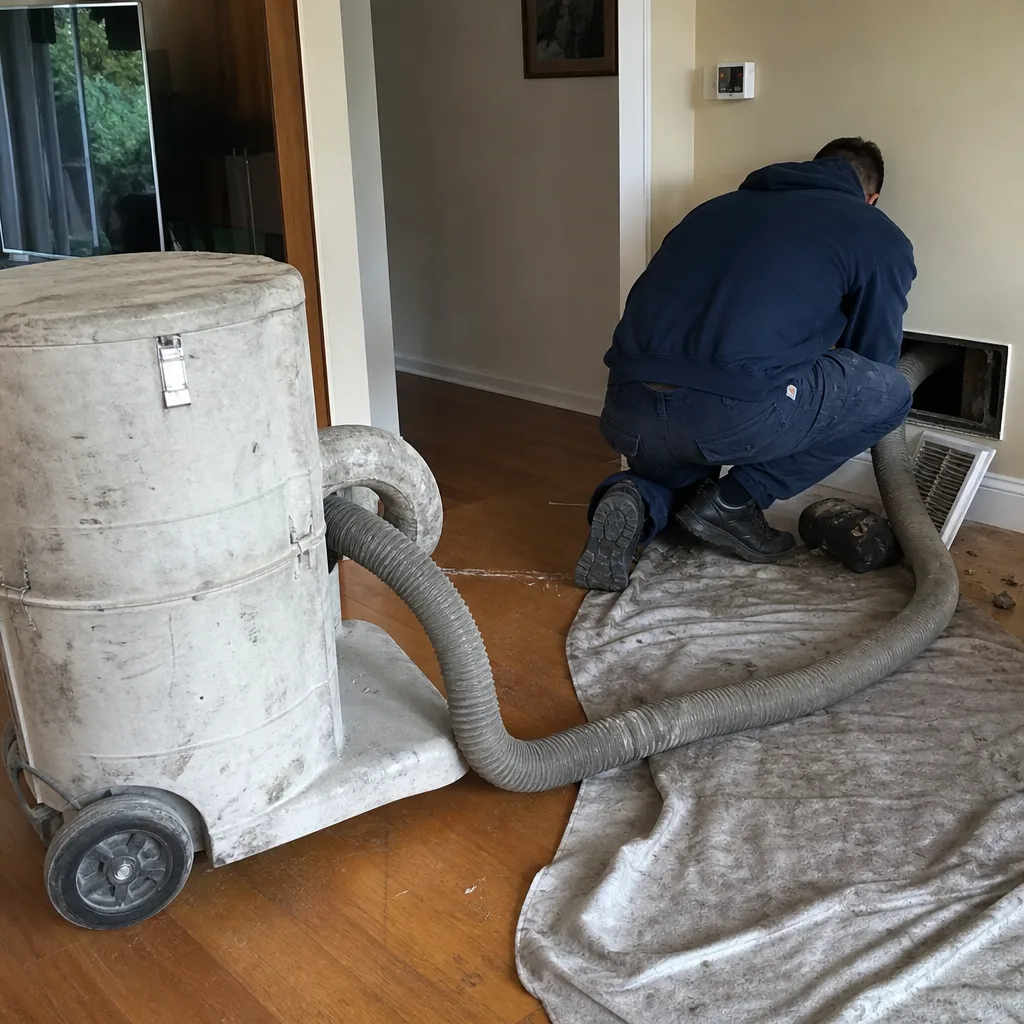
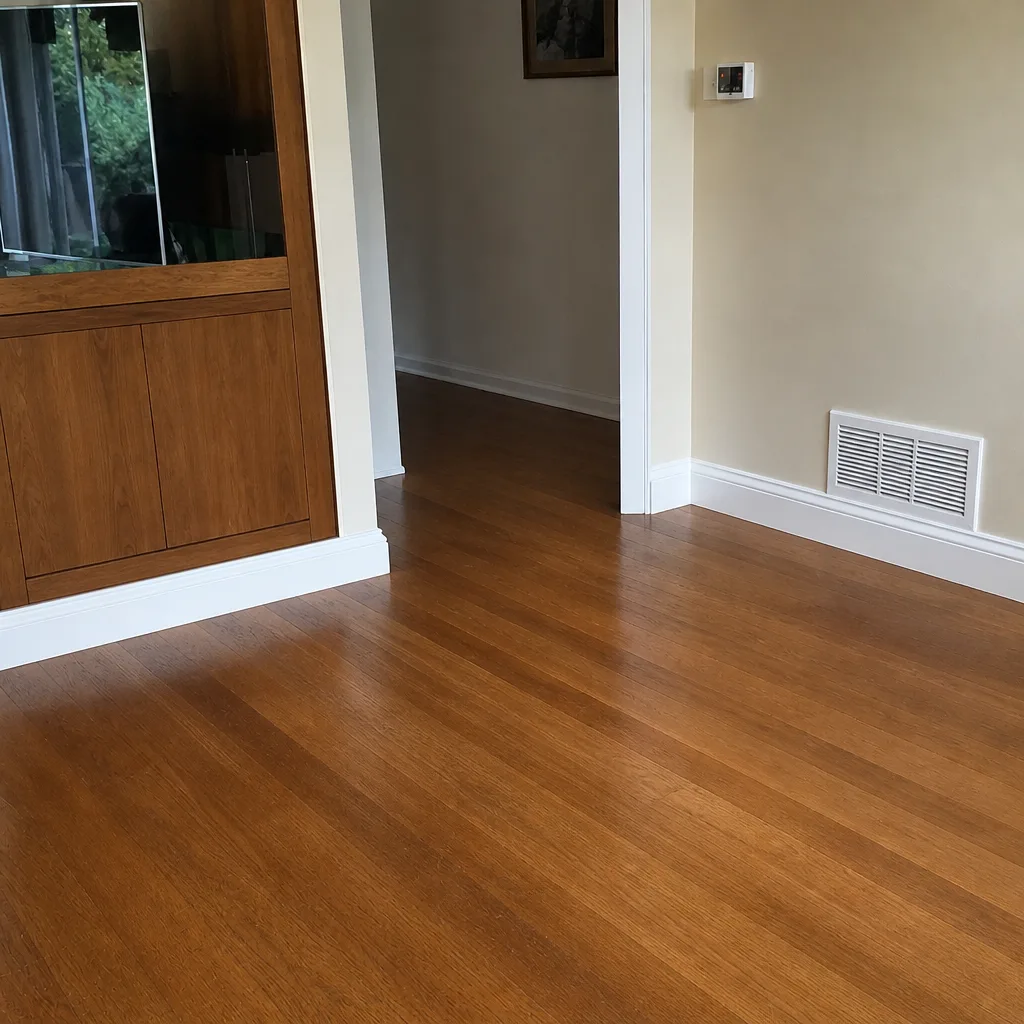
Whole-system duct and dryer vent check with before-and-after photos - you see exactly what came out of your vents
That "$99 whole-house special" is a bait ad - the real number appears once they are in your hallway, or the "clean" is a shop-vac at the register. We photograph the inside of your ducts before and after instead.
Air Duct Cleaning Permits, Codes & Inspections in Edmonds, WA: What You Need to Know
Here’s the part of duct work that surprises most homeowners: cleaning your ducts usually needs no permit at all, but the moment a contractor seals, reroutes, or replaces ductwork, the job can cross into regulated mechanical work under Washington State code. Aeroseal-style sealing, flex duct replacement, and plenum repairs are all in that territory. And an unpermitted modification that turns up during a home inspection can stall a sale in Edmonds’ competitive real estate market. This guide draws the line clearly: what a cleaning contractor can do on their own, where a licensed mechanical contractor has to take over, how to pull a property’s HVAC history, and how to structure a combined cleaning-and-repair project so each part is handled by the right trade.
Quick Answer
Routine air duct cleaning in Edmonds, WA does not require a permit from the City of Edmonds building department. Duct modification, sealing that alters the system, flex duct replacement, and plenum repair, however, fall under Washington State mechanical code (WAC 51-52) and generally require a mechanical permit pulled by a licensed contractor. A cleaning company can clean and document; a licensed mechanical contractor does the regulated work.
Styles & brands we work with
- Whole-home duct cleaning
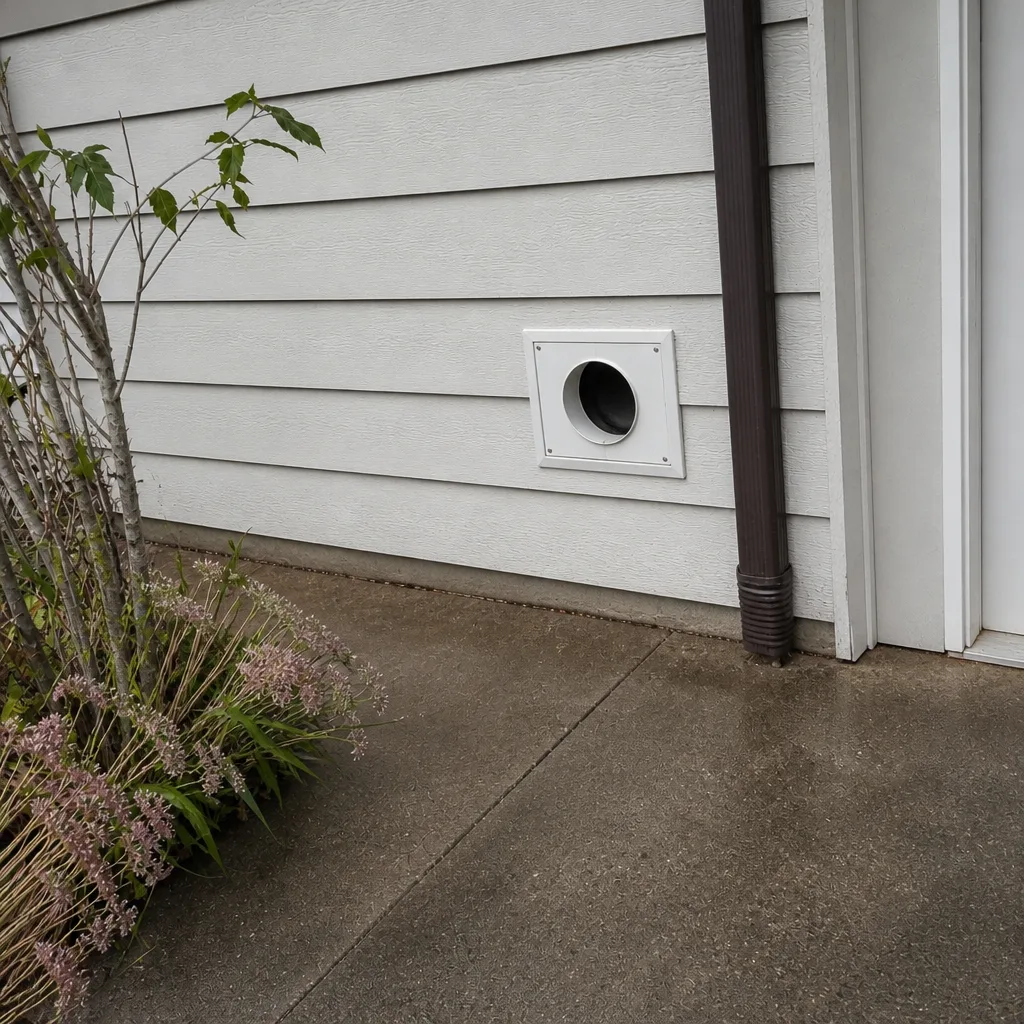
- Dryer vent cleaning
- Camera inspection
- Sanitizing & deodorizing
Table of Contents
- Cleaning vs. Modification: Where the Permit Line Actually Sits
- Which Washington Mechanical Code Sections Apply to Ductwork
- When Edmonds Building Department Involvement Is Required
- How Duct Sealing Products Are Classified Under Code
- How to Pull a Property’s HVAC Permit History in Edmonds
- Structuring a Combined Cleaning and Repair Project
- What an Inspection Actually Looks At
- How Edmonds Climate and Housing Shape Duct Problems
Cleaning vs. Modification: Where the Permit Line Actually Sits
The distinction is simpler than it sounds. Cleaning removes material from the system without changing its geometry, its connections, or its rated performance. Modification changes one of those three things. That’s the boundary the City of Edmonds cares about, and it’s the boundary that matters when you’re deciding who to call.
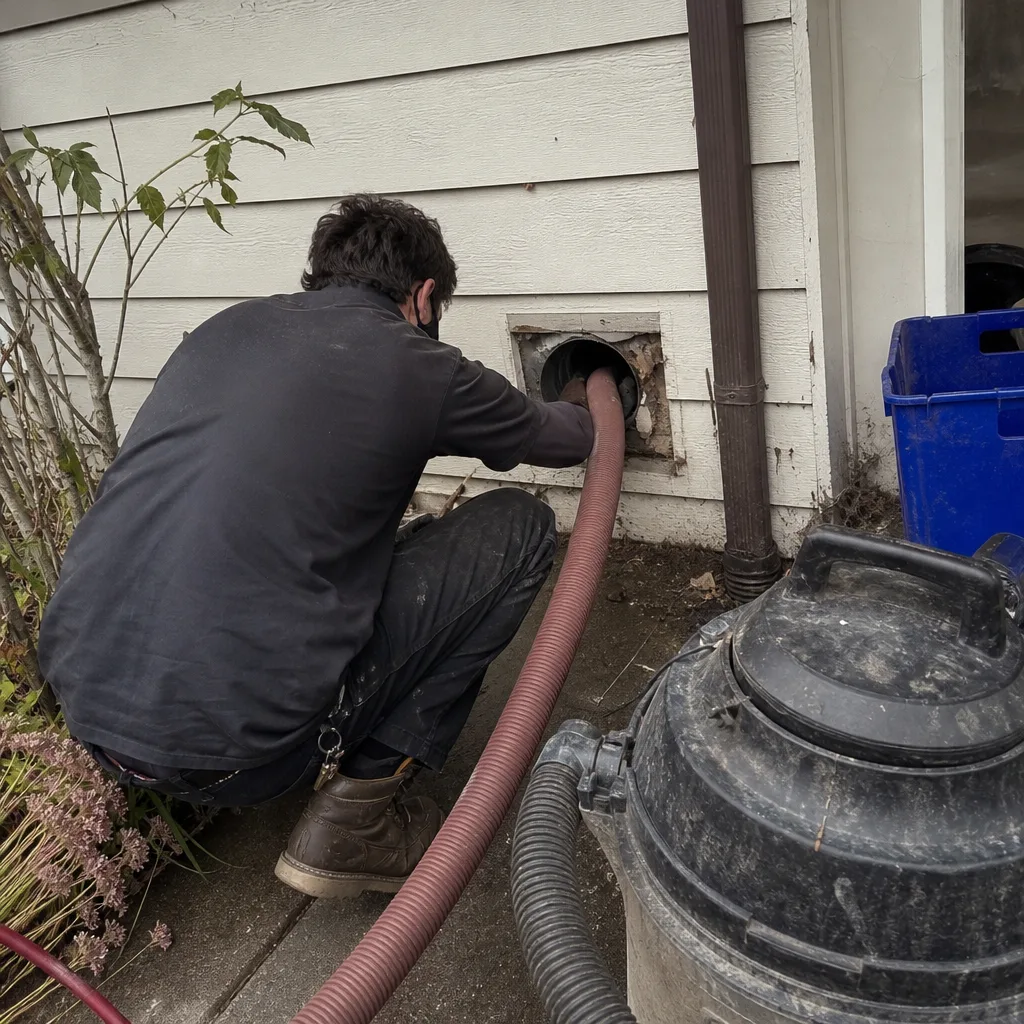
Cleaning that stays on the safe side of the line includes source removal from the supply and return trunks, brushing and vacuuming branch runs, cleaning the blower and evaporator coil surfaces, sanitizing after cleaning, and pulling dryer vent lint. None of that requires a permit. It doesn’t alter the system’s design or capacity. A contractor can do it with professional equipment, document it with before-and-after photos, and hand you a written record of what was removed.
The moment you’re looking at any of the following, you’ve crossed into regulated territory:
- Cutting into a duct trunk to add a new supply or return branch
- Replacing flexible duct runs or rigid duct sections
- Repairing or rebuilding a plenum (the sheet-metal box that connects the furnace or air handler to the duct system)
- Applying sealant inside the duct system in a way that alters its rated leakage class
- Rerouting ducts to solve a layout problem
- Changing duct size to correct static pressure or airflow
In our experience, homeowners often discover this the hard way during a pre-sale inspection or a refinance appraisal. A prior owner had flex duct “fixed” by a handyman, and now the buyer’s inspector flags a modification with no permit record. In Edmonds, where the housing stock ranges from mid-century ramblers near the waterfront to newer construction up the hill, those kinds of unpermitted fixes are common enough that it’s worth checking before you authorize any work. If you’re planning cleaning first, our air duct cleaning page covers the scope of what that job involves.
Which Washington Mechanical Code Sections Apply to Ductwork
Washington State’s mechanical code is adopted through WAC 51-52 and is based on the International Mechanical Code (IMC). Three areas of that code come up most often when ductwork changes hands: duct construction and installation standards, duct sealing and leakage requirements, and the permit and inspection framework that governs when a licensed mechanical contractor must be involved.
Duct construction and installation: the code governs how ducts must be supported, how joints and seams must be sealed, what materials are permitted for different applications, and how duct systems must be sized relative to the equipment they serve. When a contractor replaces a flex run or reroutes a trunk, they’re operating inside that framework.
Duct sealing and leakage: newer versions of the code include leakage requirements for duct systems in certain applications. This is the part that catches people off guard when they hear about Aeroseal or aerosolized sealant application. Applying sealant to reduce leakage isn’t a cleaning task; it’s an alteration of the system’s performance characteristics, and in most cases it’s treated as a regulated modification.
Permits and inspections: the code establishes when a mechanical permit is required and what inspections must happen before the work is signed off. Ductwork modifications, replacements, and additions typically fall under that requirement. The specific permit fee and inspection sequence depends on the jurisdiction, and for a property inside Edmonds city limits, that means the City of Edmonds building department.
One thing worth flagging: code adoption cycles matter. Washington has updated its mechanical code multiple times, and the requirements in place when a contractor pulls a permit are what govern the job, not the requirements from decades ago. When you’re looking at older ductwork in Edmonds, don’t assume the installation standards of the 1970s or 1980s match what’s required now if a change is being made.
When Edmonds Building Department Involvement Is Required
If you’re working on a property within Edmonds city limits, the City of Edmonds building department is the authority having jurisdiction for mechanical permits. Pulling a permit isn’t a formality. It triggers an inspection pathway, and the inspection is what gives the next buyer, the next appraiser, or the next insurer confidence that the work was done to code.
The general rule: routine cleaning needs no permit. Modifications need one. Here’s a working list of what typically triggers city involvement:
- Adding or removing a supply or return branch. This changes the system’s design and requires a mechanical permit.
- Replacing flex or rigid duct sections. Same category, same requirement.
- Rebuilding a plenum or making a structural repair to a trunk. Permitted mechanical work.
- Applying aerosolized sealant (Aeroseal-type) to the duct system. Treated as a performance alteration; check with the building department on the specific job.
- Changing duct size to correct airflow problems. Design modification, permit required.
- Rerouting or relocating ductwork. Permit required.
What does not require a permit: source-removal cleaning, sanitizing after cleaning, dryer vent lint removal, coil cleaning, blower cleaning, and photographic documentation of system condition. Those are maintenance and cleaning tasks, not modifications.
The other Edmonds-specific wrinkle is that the city has seen a fair amount of renovation over the years, and not all of it was permitted. If you’re buying a home here and the listing mentions a “remodeled HVAC system,” it’s worth asking your agent to pull the permit history before the inspection contingency window closes. An unpermitted mechanical modification is fixable, but it’s much easier to fix before closing than after.
How Duct Sealing Products Are Classified Under Code
Sealant is where the cleaning-versus-modification line gets fuzzy, so let’s separate the products by what they actually do.
Mastic and foil tape on accessible joints. Applying mastic or UL-listed foil tape to an accessible joint during routine maintenance is generally considered part of normal installation and repair practice, and the permit question turns on whether the repair is changing the system or restoring it. Sealing a joint that’s come loose is different from re-sealing an entire compromised trunk.
Internal aerosolized sealant (Aeroseal-type). This is the one that most often triggers a mechanical permit. The sealant is applied from inside the duct system and cures to reduce leakage across the whole network. That’s a performance alteration, not a maintenance touch-up, and it falls under the mechanical code’s duct sealing and leakage provisions. In most cases it’s treated as regulated mechanical work, and it should be performed by a licensed mechanical contractor who pulls the permit.
Externally applied brush-on or spray sealant on accessible duct surfaces. Depends on scope. A spot repair on a single accessible joint is a maintenance task. Sealing an entire run of compromised duct is a modification.
The practical guidance for Edmonds homeowners: if the sealing work is being done to fix a measured leakage problem and the contractor is going to aerosolize sealant inside the system, ask directly whether the job requires a mechanical permit and whether the contractor is licensed to pull one. If the answer is vague, that’s your signal to slow down.
Our own service scope includes duct repair and sealing alongside cleaning, and we use professional-grade equipment including Rotobrush and Nikro systems. When a job crosses into regulated modification territory, we bring in the licensed mechanical contractor, and you get the permit record along with the cleaning documentation. Our HVAC cleaning page covers the system-wide cleaning portion of that work, which doesn’t require a permit on its own.
How to Pull a Property’s HVAC Permit History in Edmonds
Before you authorize any repair work on a property in Edmonds, pull the permit history. It takes about 15 minutes and it can save you a lot of back-and-forth during a sale.
- Contact the City of Edmonds building department. Ask for the permit history on the specific property address. Most jurisdictions can search by address or by parcel number.
- Request mechanical permits specifically. The record will show what mechanical work was permitted, the dates, the contractor of record, and whether the inspection passed. It will not always show the details of what was done, but it shows whether a permit was pulled at all.
- Cross-reference with any seller disclosures. If the seller disclosed “HVAC updated” or “ductwork replaced,” check whether a mechanical permit shows up in that timeframe.
- Look for gaps. A property that had flex duct replaced but shows no mechanical permit is a flag. So is a property where the furnace was replaced but the ductwork wasn’t permitted.
- Ask the contractor to pull permits for any new modification work. When you authorize repair or sealing, make it a written condition of the estimate that the contractor will pull the mechanical permit and complete the inspection. That’s what makes the record clean for the next buyer.
For a property outside Edmonds city limits, the authority having jurisdiction may be Snohomish County, so check with whichever jurisdiction covers the parcel. We work across multiple service areas and can point you to the right department if you’re not sure.
Structuring a Combined Cleaning and Repair Project
Most homeowners who call us end up wanting both cleaning and some repair, and the trick to a smooth project is sequencing the trades correctly and putting the scope in writing.
The two-trade structure that works:
- Phase 1: Assessment and cleaning. A cleaning contractor comes out, inspects the system, cleans the ducts, blower, and coils, and documents what they find with before-and-after photos. Cleaning doesn’t require a permit.
- Phase 2: Modification (if needed). If the assessment finds flex duct that needs replacing, a plenum that’s failed, or a duct system that needs sealing to fix measured leakage, the mechanical modification portion moves to a licensed mechanical contractor who pulls the permit.
- Phase 3: Verification. After the modification passes inspection, the cleaning contractor can complete any post-work sanitizing or touch-up cleaning so the system is delivered in clean condition.
The written scope is the part that keeps everything clean. The estimate should separate the cleaning portion from the modification portion, name the licensed contractor for the mechanical work, and confirm that the permit will be pulled before any modification begins. That single distinction on paper is the difference between a project that closes cleanly at a sale and one that stalls at inspection.
Our full-system approach is built around that three-part sequence: assess, clean, and restore. We handle the cleaning and sanitizing, we bring in the mechanical contractor for the sealed or replaced portions, and we document the whole thing so you have a record. Our dryer vent cleaning service fits into the same scope when the lint load in the dryer vent is part of the fire-risk discussion.
What an Inspection Actually Looks At
A mechanical inspection on ductwork is narrower than most people assume. It’s not a full system performance test. It’s checking whether the installed work matches what the permit approved and meets code.
What the inspector typically verifies:
- That the ductwork was installed or modified per the permitted scope
- That joints, seams, and connections are sealed to code requirements
- That duct materials are approved for the application (flex duct rating, rigid duct gauge, plenum construction)
- That support spacing and hangers are correct
- That the system connects to the equipment per manufacturer and code requirements
- That any leakage testing was completed where the code requires it
What the inspector typically does not do: clean the system, check the air quality, or verify the system’s performance under real-world conditions. Those are separate concerns.
For the cleaning portion of the work, no inspection is required because no permit is involved. That’s why before-and-after documentation matters. When you’re selling, or when your own inspection finds a concern, photos of the pre-cleaning condition and the post-cleaning condition are the record. We provide those photos on every job. That’s part of the answer to the “how do I know it was actually done” question, and it’s also the file you hand to a buyer’s inspector.
If a prior modification does turn up without a permit during a sale, don’t panic. The usual pathway is to have a licensed mechanical contractor review the work, pull a permit for the current configuration, and let the city inspect what’s there. It’s a fixable problem, not a deal-killer, but it does add time and cost to the closing timeline.
How Edmonds Climate and Housing Shape Duct Problems
Edmonds sits on Puget Sound with a damp, cool climate that shapes how ductwork ages here. The outdoor humidity stays high through much of the year, and interior conditions follow. That matters to your ducts in two ways.
First, moisture and dust combine into a substrate inside ductwork that supports microbial growth when the system isn’t kept dry and clean. The damp shoulder seasons, when neither heating nor cooling is running hard, are when condensation inside the system is most likely to sit and become a problem. Cleaning removes the accumulated dust, and in cases where we find contamination beyond routine dust, our Abatement Technologies equipment lets us handle remediation-level scenarios rather than just surface cleaning.
Second, the Edmonds housing stock is a mix of older homes and newer construction, and older homes often have original flex duct that’s brittle, poorly supported, or already leaking. In the damp climate, duct leakage pulls moist crawlspace or attic air into the supply stream, which is both an efficiency loss and an indoor air quality issue. Fixing the leaks is the repair portion of the job, and that’s where the permit question surfaces.
This is also where filtration upgrades make a difference. We work with Honeywell and Aprilaire air quality products, which means we can recommend a filtration solution that addresses the source of contamination rather than just cleaning what’s already there. That’s part of the reason our service scope runs from cleaning through repair, sealing, and sanitizing. A full-system approach means the whole chain gets addressed, not just the visible dust. If you’re looking at a full review of the air you actually breathe inside your home, we can walk the system and tell you where the priorities are. Our Edmonds Air Duct Cleaning Pros homepage has the overview of every service line.
Common Mistakes to Avoid
- Assuming every duct job needs a permit. Routine cleaning, sanitizing, and dryer vent work don’t require a mechanical permit in Edmonds. Assuming they do leads homeowners to skip cleaning they need, or to pay for permits they don’t.
- Assuming no duct job needs a permit. The opposite error. Flex duct replacement, plenum repair, and aerosolized sealant application are regulated mechanical work, and skipping the permit creates a record problem that surfaces at sale.
- Hiring the cheapest cleaning quote without checking scope. A very low price often means a per-vent number that expands once the technician is on site. Ask for one flat price per system before work starts and a written scope that names what’s included.
- Letting a cleaning contractor handle sealing or replacement without checking licensing. Cleaning and modification are different trades. A cleaning contractor can’t pull a mechanical permit; a licensed mechanical contractor can. Put both names on the project scope.
- Skipping the permit history before you buy in Edmonds. Asking the city building department for the mechanical permit history is cheap and fast, and it’s the single best way to catch an unpermitted duct modification before closing.
- Assuming the ducts are fine because nothing’s visibly wrong. Ductwork inside walls and crawlspaces can be compromised without any visible sign in the living space. An assessment with photos is the only way to know.
- Doing the sealing work before the cleaning. If you’re sealing or repairing, clean first. Sealant applied over accumulated dust won’t bond properly, and a modification made on top of a dirty system just seals in the contamination.
See the difference
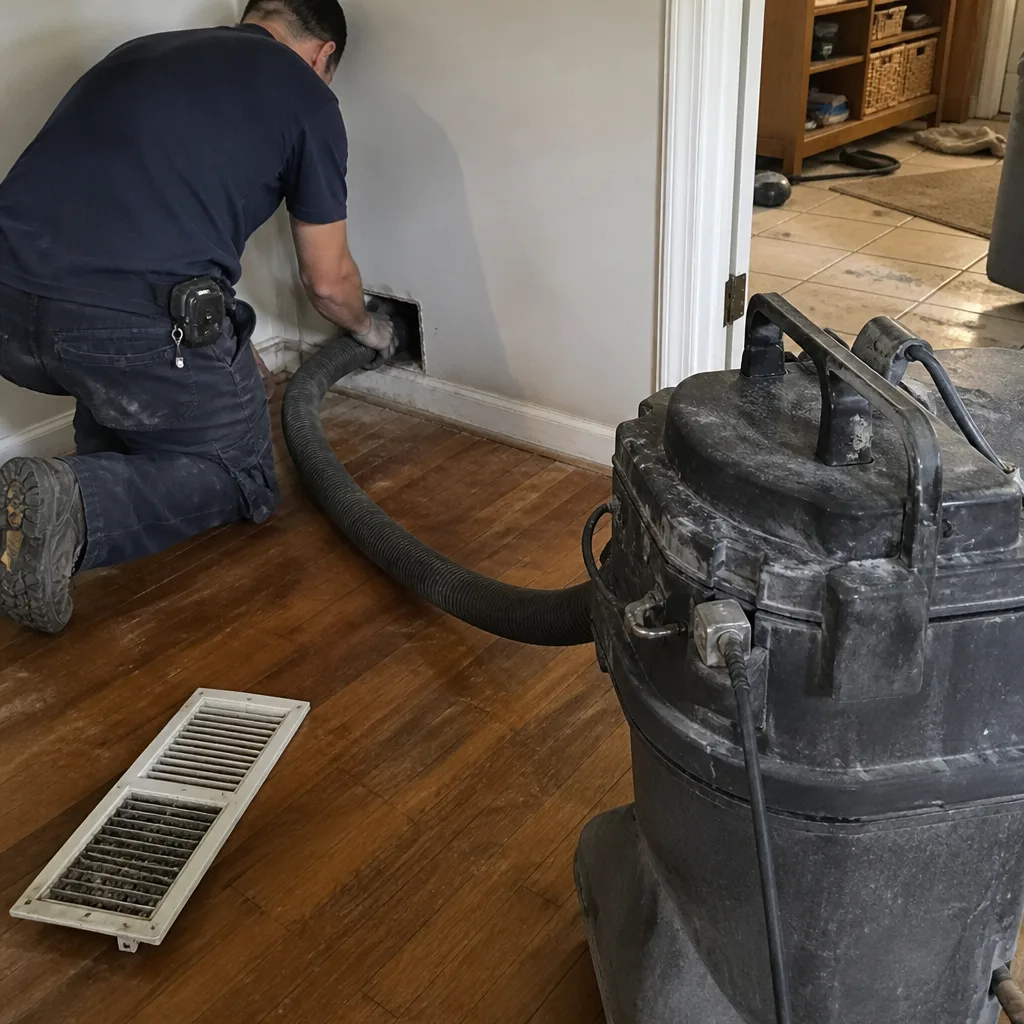 Before
 After
 Before
 After
 Before
 After
When to Call a Professional
Call a professional when the work involves either the cleaning portion or the modification portion, and particularly when it involves both. Cleaning without repair leaves known leaks in place; repair without cleaning seals contamination into the system. The correct sequence is an assessment, then a written scope that separates the cleaning work from the mechanical work, then the permit for any regulated modification.
Specific triggers for a call: a home inspection flags HVAC or ductwork concerns, you’re preparing to sell and want a clean mechanical permit record, you’ve noticed a persistent dust or odor issue inside the home, your energy bills have climbed without a clear cause, or your dryer is taking noticeably longer to dry loads. Any of those is worth a system assessment.
Edmonds Air Duct Cleaning Pros offers free estimates in Edmonds. Our technicians have up to 12 years of experience, we use Rotobrush and Nikro systems on every job, and we work with Honeywell and Aprilaire products for filtration upgrades. Call (866) 883-0691. We answer 24/7. Fast dispatch from 7am to 7pm, Sunday through Friday.
Frequently Asked Questions
No. Routine air duct cleaning in Edmonds does not require a permit from the City of Edmonds building department. Cleaning is maintenance, not modification, and it doesn’t change the duct system’s design or performance. If the contractor is going to replace, reroute, or seal the ductwork in a way that alters the system, that portion typically does require a mechanical permit. Call (866) 883-0691 for an exact quote on the cleaning portion – estimates are free.
Cleaning removes material without changing the system. Modification changes the system’s geometry, connections, or performance characteristics. Washington’s mechanical code (WAC 51-52) governs the modification side, and permitted modifications require a licensed mechanical contractor to pull the permit and to complete the inspection. Cleaning contractors handle the cleaning side. When a job needs both, the important thing is to structure the scope so each portion is handled by the right trade on paper.
In most cases, yes. Aerosolized sealant applied inside the duct system alters the system’s rated leakage and falls under the mechanical code’s duct sealing and leakage provisions. That makes it regulated mechanical work, and it should be handled by a licensed mechanical contractor who pulls the permit. If a contractor offers to aerosolize sealant without discussing permits, ask the question directly before authorizing the work. Call (866) 883-0691 for an estimate on the cleaning portion – estimates are free.
Contact the City of Edmonds building department and ask for the mechanical permit history on the property by address or parcel number. The record will show what mechanical permits were pulled, the dates, the contractor of record, and inspection results. Cross-reference that with any seller disclosure of HVAC updates. Gaps between what was disclosed and what was permitted are the main thing you’re looking for. If you’re buying in Edmonds, pull the history during the inspection contingency window.
It can stall one. An unpermitted modification discovered during a buyer’s inspection often triggers a repair negotiation, and the fix is to have a licensed mechanical contractor review the work, pull a permit for the current configuration, and let the city inspect. It’s a fixable issue, but it adds time and cost to closing, which is why pulling the permit history before listing or before your inspection window is worth doing.
It checks that the installed work matches the permit scope and meets code: joint sealing, material approvals, support spacing, connection to equipment, and any required leakage testing. It does not clean the system or assess air quality. Cleaning documentation is separate, which is why before-and-after photos matter on the cleaning portion of any job. Call (866) 883-0691 for a free estimate – estimates are free.
The Bottom Line
Routine cleaning needs no permit in Edmonds. Modification does, and the line sits where the work changes the duct system’s geometry, connections, or rated performance. Sealing with Aeroseal-type products, replacing flex duct, and rebuilding a plenum all cross that line. Structure a combined project with cleaning first, then regulated modification by a licensed mechanical contractor with a pulled permit, then post-work verification and cleaning. Pull the permit history before you authorize any repair, especially if you’re buying or selling in Edmonds. And when you’re done, have the before-and-after documentation in hand. That’s the record that keeps the next inspection clean. Our technicians have up to 12 years of experience, we use Rotobrush and Nikro systems, and we’re ready to assess your system and tell you what’s cleaning versus modification.
Call (866) 883-0691 for a free estimate. We answer 24/7. Fast dispatch from 7am to 7pm, Sunday through Friday.
Written by the team at Edmonds Air Duct Cleaning Pros.