
Last updated November 25, 2026
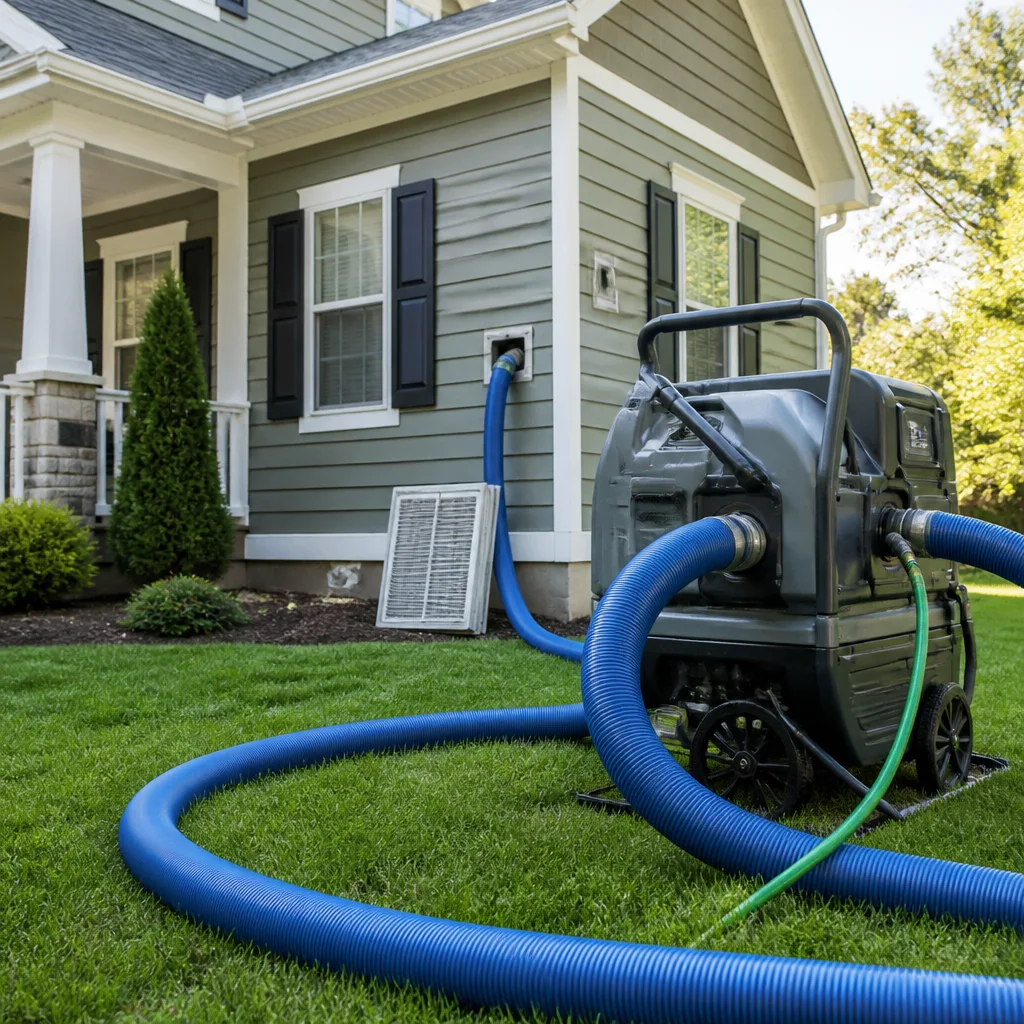 Whole-home duct cleaning
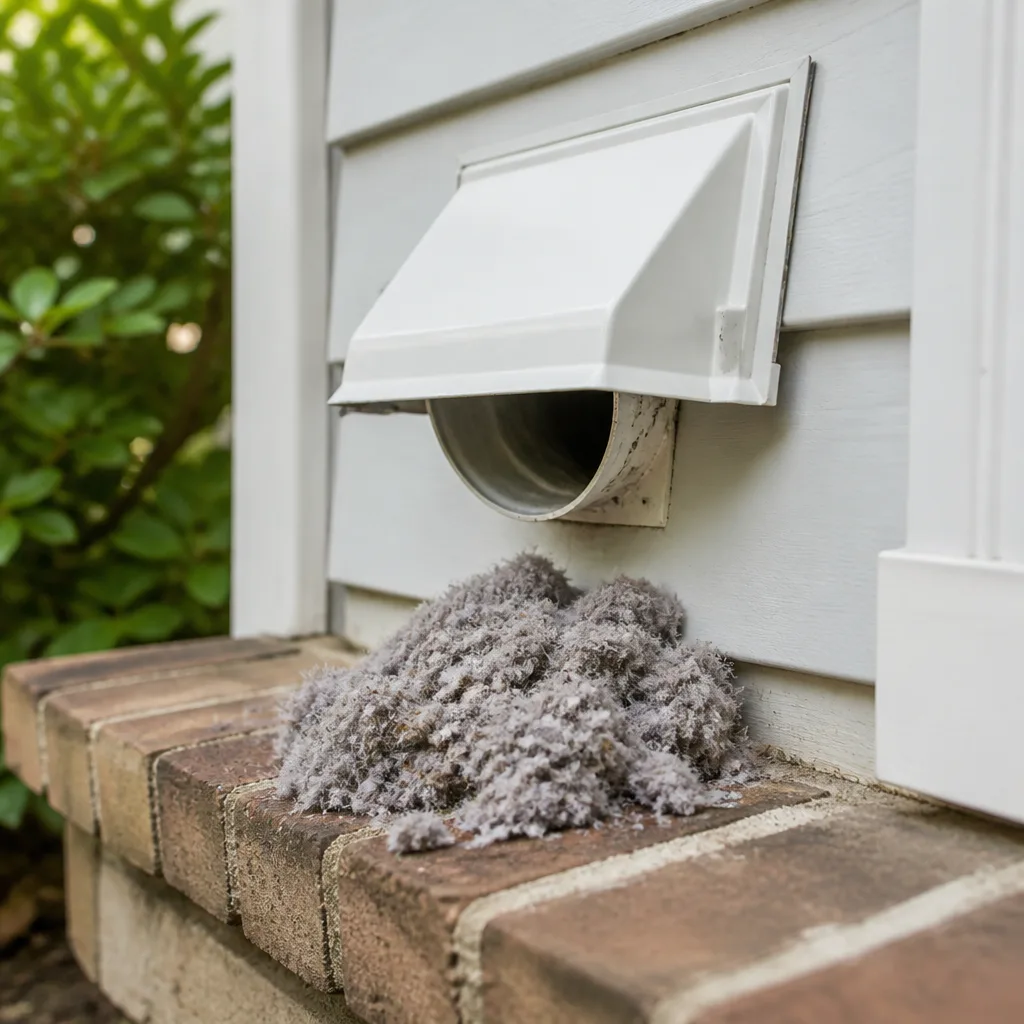 Dryer vent cleaning
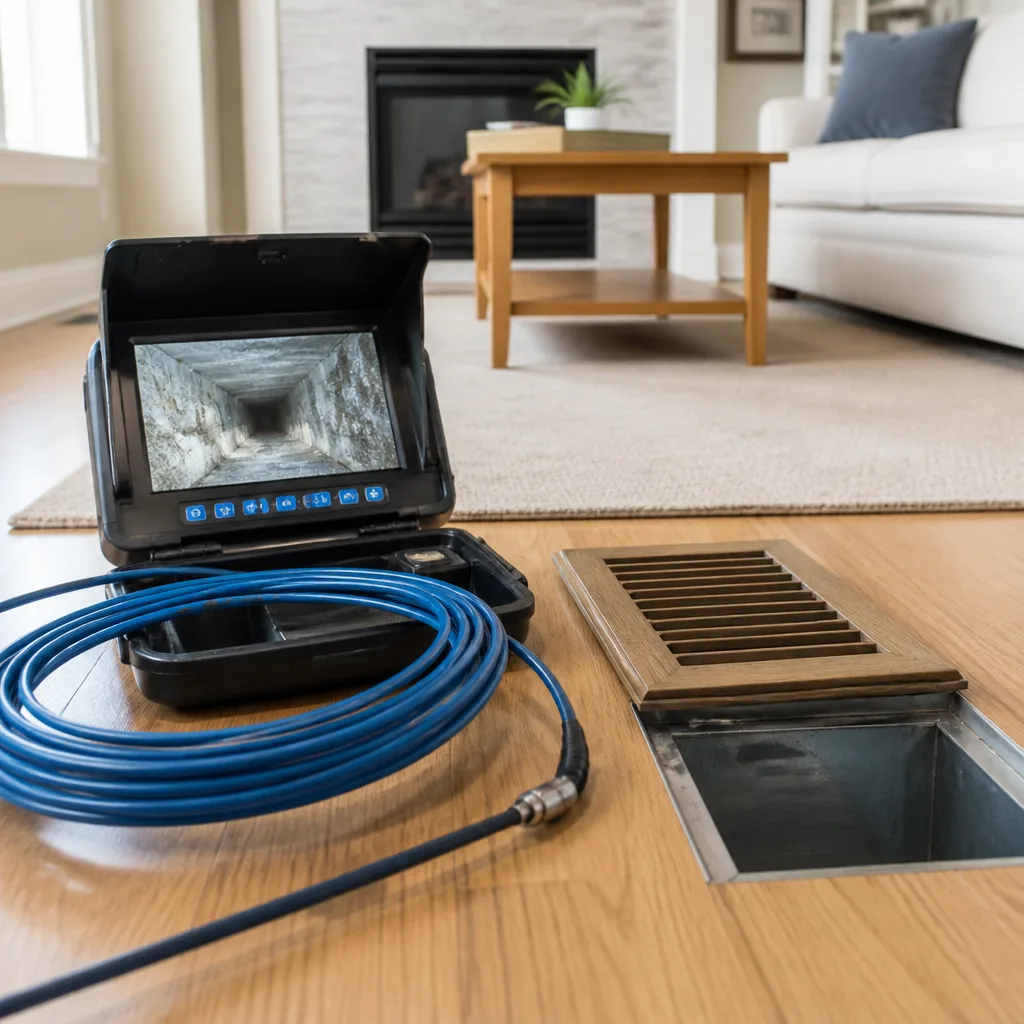 Camera inspection
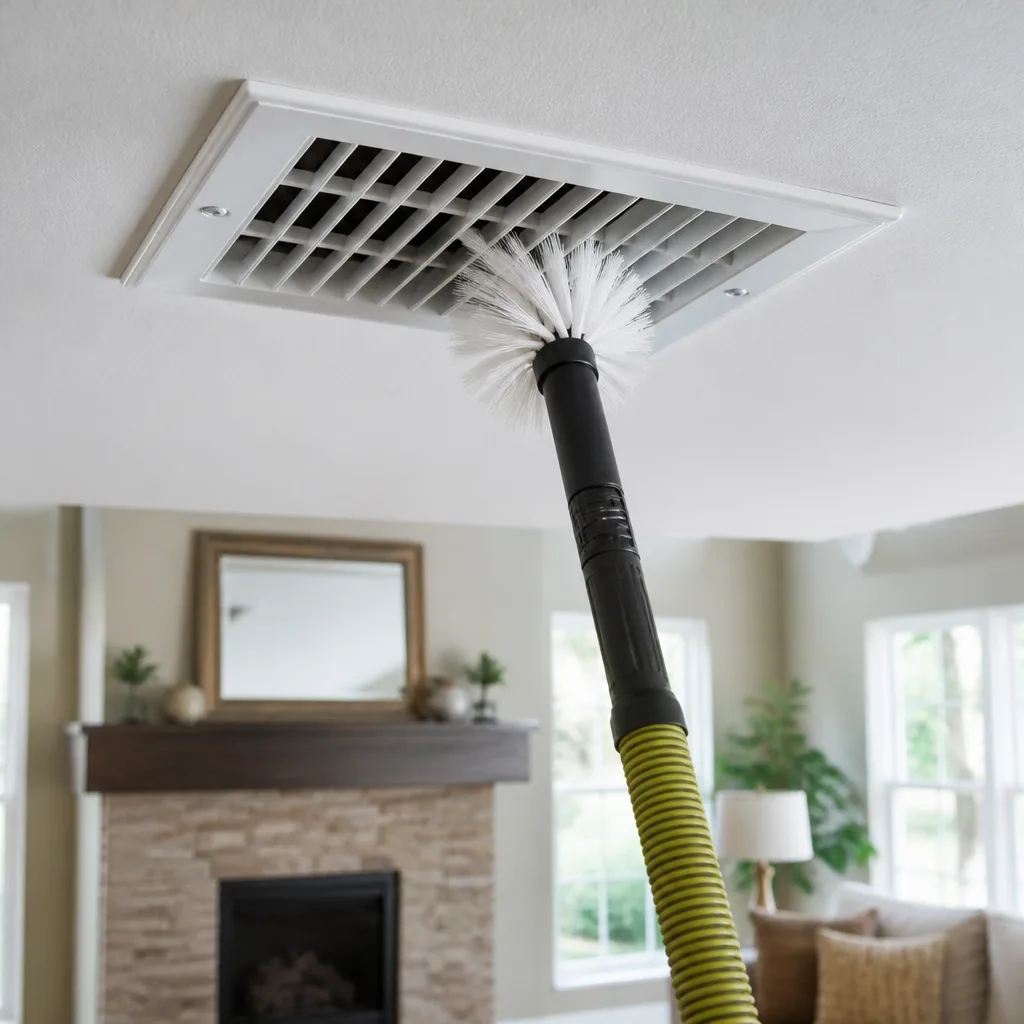 Sanitizing & deodorizing
Whole-system duct and dryer vent check with before-and-after photos - you see exactly what came out of your vents
That "$99 whole-house special" is a bait ad - the real number appears once they are in your hallway, or the "clean" is a shop-vac at the register. We photograph the inside of your ducts before and after instead.
DIY vs Professional Air Duct Cleaning: The Edmonds Homeowner’s Decision Guide
A shop vac pulls roughly 60 to 80 cubic feet of air per minute. A professional truck-mounted extraction system pulls somewhere between 15,000 and 20,000 CFM. That gap isn’t a matter of degree, like a stronger vacuum versus a weaker one. It’s the difference between moving debris around inside your duct system and actually taking it out of the house. Most DIY duct cleaning guides skip that part. They show a homeowner feeding a brush into a register and call it a job well done, when in mechanical terms what happened was agitation with no capture. This guide walks through the physics, the parts of the job you can genuinely handle yourself, and the point where doing it yourself stops being cheaper. By the end you’ll know exactly where you stand with the ducts in your Edmonds home.
Quick Answer
Professional air duct cleaning is the right call when your ducts are contaminated with mold, construction dust, pest debris, or visible buildup beyond the registers, because source removal requires negative pressure at the air handler that no consumer tool can produce. DIY cleaning is a reasonable option for surface-level maintenance like register wiping, filter changes, and clearing dryer vent lint. Anything past that is redistribution, not removal, and often makes indoor air worse before it gets better.
Styles & brands we work with
- Whole-home duct cleaning
- Dryer vent cleaning
- Camera inspection
- Sanitizing & deodorizing
Table of Contents
- The Physics Behind Source Removal
- What You Can Legitimately Do Yourself
- When DIY Makes Things Worse
- The Break-Even Calculation
- What to Tell a Contractor About DIY Work
- Why Edmonds Homes Present Specific Challenges
- What Professional Equipment Actually Does
- Common Mistakes to Avoid
- When to Call a Professional
The Physics Behind Source Removal
True duct cleaning is a two-ended operation. The vacuum connects at the air handler or the main trunk, pulling the entire duct system into negative pressure. Meanwhile, an agitation tool works from the register end, loosening debris from the duct walls so the airstream can carry it toward the vacuum and out of the building. Neither end does the job alone. The vacuum without agitation only grabs what’s already loose. Agitation without the vacuum just knocks particles into the room, or worse, pushes them deeper into the trunk lines.
This is why the configuration matters more than the tool. A consumer shop vac connected to a single register creates localized suction at that one opening. It doesn’t pressurize the whole system, so debris in a duct branch 15 feet away stays exactly where it is. Professional equipment works differently. Rotobrush and Nikro systems, the kind commercial HVAC contractors use, generate the airflow volumes needed to keep the entire duct network under sustained negative pressure while agitation happens at every branch. That’s the mechanical reality behind the phrase “source removal.” The source is the duct wall, the whole length of it, not just what you can see from the vent.
There’s a second physical factor most homeowners don’t consider: duct geometry. Supply trunks run wide and branch narrow. Return ducts can be even more complex, with turning vanes and transitions where debris settles. Agitation tools have to match the duct shape or they skip entire sections. A brush on a flexible rod follows a straight shot fine and misses everything tucked into an elbow. Professional equipment includes tools designed for those exact transitions, which is not something a homeowner with a drill attachment can replicate.
In our experience, the visual difference between redistributed and extracted debris is obvious once you see it. A proper cleaning pulls out material that was invisible from inside the house, and before-and-after photos of the customer’s own ducts typically show a color shift the homeowner didn’t expect. That’s not marketing. It’s what happens when the physics are applied correctly.
What You Can Legitimately Do Yourself
Here’s where we’re honest with Edmonds homeowners: plenty of duct maintenance is genuinely DIY-appropriate, and doing it saves money without risk. The mistake isn’t picking up a screwdriver. It’s assuming the same approach works at every depth of the system. Use the following as your real DIY scope.
- Register and grille cleaning. Remove the supply and return grilles with a screwdriver, wash them in warm soapy water, dry them fully, and reinstall. Use a vacuum with a brush attachment on the visible duct collar behind each grille. This handles dust that settles by gravity and is the most reversible, safest DIY task in the whole system.
- Filter maintenance. Check your filter monthly and replace it on the schedule your filter’s rating calls for. A clogged filter starves the system of airflow, spikes energy use, and lets dust bypass into the ducts through the frame gaps. This is the single highest-return habit a homeowner has. If you want better filtration than a basic pleated filter, Honeywell and Aprilaire products give you options that fit standard return-air configurations.
- Dryer vent lint clearing. Disconnect the dryer, pull the vent duct loose, and clear the lint from the transition duct and the wall-side run with a vent brush. Reconnect with a smooth metal duct, not vinyl, and check the exterior flapper for blockage. Lint accumulation in a dryer vent is a fire risk, not an inconvenience, so this is worth doing every few months.
- Visual inspection. Use a flashlight and a phone camera to photograph the inside of accessible duct runs. Look for dark staining, fuzzy growth, rodent droppings, or construction dust piles. Note what you find so you can describe it accurately later. Sight alone won’t tell you what’s happening 20 feet in, but it tells you plenty.
Those four things, done consistently, keep a healthy system healthy. Where DIY stops working is when the problem is inside the trunk lines or behind walls, and that’s most of the duct footage in a typical Edmonds home.
When DIY Makes Things Worse
Some DIY duct work doesn’t just underperform. It actively harms indoor air quality, and we’ve seen it happen often enough to call it out plainly. Three scenarios in particular deserve warning.
- Compressed air in the ducts without negative pressure capture. Blowing air into a register with a compressor or leaf blower loosens everything stuck to the duct walls and sends it into your living space. Without a vacuum capturing the material at the air handler, those particles land on furniture, on bedding, and in your lungs. This is the most common DIY mistake we hear about from Edmonds homeowners calling after a bad attempt.
- Disturbing mold-colonized debris without containment. If the duct interior shows dark fuzzy growth or a musty smell accompanies airflow, the contamination is biological. Disturbing it without containment and HEPA filtration spreads spores through the house. That’s a situation for Abatement Technologies-level equipment and remediation procedures, not a shop vac.
- Removing registers in a home with asbestos-containing duct tape. Homes built in certain eras used tape and sealants that may contain asbestos. If the joint tape crumbles when you touch it, stop. Disturbing asbestos fibers is a health hazard that requires a licensed abatement professional, not a homeowner or a duct cleaner.
There’s a fourth, subtler case: pushing debris from short branches back into the trunk. A homeowner with a shop vac on one register can reverse the airflow and drive dust into the main trunk, where it settles and redistributes through the whole house. That’s the opposite of cleaning. If you’ve done DIY work and now notice more dust settling on surfaces, that’s the pattern to look for.
The Break-Even Calculation
Let’s talk honestly about cost, because that’s what the DIY question really comes down to for most homeowners. DIY duct cleaning looks free until you price the actual inputs. Add up equipment rental, materials, your hours, and the probability you’ll need to redo the job, and the picture changes quickly.
- Equipment rental. A HEPA shop vac rental runs around $80-$150 per day at most rental yards. A rotating brush attachment adds $40-$80. Neither generates system pressure.
- Materials. Filters, tape, sealant, and cleaning solution run $30-$75 for a whole-house attempt.
- Labor hours. Plan on 4-8 hours for a first-time attempt on a typical Edmonds home, and count on finding problems you don’t have tools for at the midpoint.
- Re-cleaning probability. If the result is redistribution rather than removal, you’re back at the start, minus the rental and materials, and you’ll likely hire a professional anyway.
What a whole-house professional cleaning typically runs, quotes vary by square footage, number of registers, and how much contamination is present, but the range we see in the greater Edmonds market is well within the cost of a single DIY attempt that has to be redone. An exact quote is free and takes minutes. That gives you real numbers to compare against your DIY hour count. And when the work is done by a licensed local pro, it comes with one flat price per system agreed before work starts, before-and-after photos of your own ducts, and a satisfaction guarantee. There’s no coupon teaser that turns into a bigger invoice on site.
What to Tell a Contractor About DIY Work
If you’ve already tried cleaning your ducts yourself, tell the technician before they start. This isn’t about blame. It changes their approach. A system that’s been agitated but not extracted may have debris redistributed to places it wouldn’t naturally settle, and knowing that helps them target agitation and pressure differently.
- Describe what you did. Was it a shop vac on the registers, compressed air, a brush on a drill, or a rented HEPA unit? Each leaves a different signature in the duct system.
- Name the tools used and how deep you went. “I only cleaned the grilles” describes a very different situation than “I ran a brush down the main trunk.”
- Point out anything unusual you saw. Dark staining, fuzzy growth, crumbling tape, pest evidence, or debris piles you couldn’t reach. Photograph what you can.
- Mention any chemicals you used. Cleaning solutions and disinfectants change how the technician handles the material.
Edmonds Air Duct Cleaning Pros technicians plan each job from what’s actually in the ducts, so accurate information at the start saves time and gives you a truer picture of what the system needs. Our technicians have up to 12 years of experience and have seen roughly every DIY signature there is. Say it plainly on the phone and the right tools show up on the estimate.
Why Edmonds Homes Present Specific Challenges
Edmonds has a population of just over 42,000 and a housing stock that ranges from mid-century homes near the Edmonds Bowl to newer construction up around Meadowdale and Seaview. That variety matters for duct work in a couple of ways. Older homes in Edmonds often have duct systems that were added after the fact, with flexible runs and non-standard configurations that accumulate build-up in places a homeowner won’t see. Newer construction tends to have more efficient duct runs but often carries construction dust well past move-in, because sawdust and drywall particles settle into the trunks during remodeling and never fully leave.
The western Washington climate adds another factor. Long damp seasons and mild temperatures mean dust and organic material inside ducts can stay biologically active year-round. Fine particulate from wood heating and regional pollen season also cycles through the system, and Edmonds homes near the waterfront parklands and the ferry terminal don’t get the drying-out period that drier climates do. Ducts that stay slightly damp accumulate more than ducts that cycle through hard freezes. In our experience, Edmonds homes with pets, recent remodels, or any history of musty airflow benefit from inspection sooner than the typical national estimate might suggest.
If you’re calling about a rental property in Edmonds, keep in mind that a full-system assessment also covers the HVAC air handler and coil, which tenant complaints often sound like duct problems when they’re really filtration failures. That’s why professional duct cleaning here starts with an assessment, not a bag of brushes.
What Professional Equipment Actually Does
The equipment difference is the whole argument in one paragraph. Consumer vacuums pull air at a rate set for household use. Professional extraction systems are built for whole-duct networks and generate the negative pressure that source removal requires. That’s the reason Rotobrush and Nikro equipment is what the trade reaches for, and it’s why the process looks the way it does.
Here’s the workflow we run in Edmonds, end to end:
- Assess. Technicians map the duct system, check filtration, examine the air handler, and photograph the duct interior with inspection cameras. They note contamination type and severity, and check the dryer vent run while they’re at it.
- Clean. A truck-mounted or portable high-volume vacuum connects at the air handler and puts the whole system under negative pressure. Rotating brush and air-whip agitation tools work from each register, loosening debris so the airstream carries it to the vacuum. Dryer vent cleaning runs as a separate line item, because lint accumulation in the vent is a fire risk.
- Restore. Cleaning without repair is incomplete. Ducts get sealed at loose joints and gaps that leak heated air into crawlspaces, and if the filtration is undersized, Honeywell or Aprilaire filtration and purification products get recommended so the source of contamination is addressed, not just the symptom.
That’s what separates a full-system approach from a shop vac and an afternoon. For the whole chain under one company, see our Edmonds Air Duct Cleaning Pros overview, or read specifically about air duct cleaning, dryer vent cleaning, and HVAC cleaning if you want the piece that fits your situation.
Common Mistakes to Avoid
- Running compressed air through the vents. This blows debris into the room instead of extracting it. Without negative pressure capture at the air handler, you’re just redistributing contamination you can’t see.
- Assuming a shop vac on one register equals a whole-system clean. Localized suction doesn’t travel. The main trunk and distant branches stay untouched, which is where most of the build-up lives.
- Removing old joint tape without testing. If the tape crumbles on touch, stop and treat it as potential asbestos until an abatement professional says otherwise. This is a real hazard in older Edmonds homes.
- Cleaning ducts but neglecting the filter and dryer vent. Both are part of the same air and safety story. A clogged filter defeats any cleaning, and lint in the dryer vent is a fire risk that has nothing to do with duct cleanliness.
- Dismissing moisture in the ducts. Persistent musty smell or visible staining points to a moisture source, not just dirt. Cleaning without fixing the cause means it returns.
- Choosing a quote by price alone. A very low teaser price that becomes a far larger invoice on site is the classic bait-and-switch pattern. Ask for the whole-system price in writing before work starts.
- Skipping the post-cleaning inspection. Before-and-after photos of your own ducts are the standard proof the work was done. If a company won’t show them, that tells you something.
When to Call a Professional
Call a professional if any of the following apply. Visible mold inside a duct or register, a persistent musty odor when the HVAC runs, evidence of pests or rodent droppings in the duct system, a recent remodel that left construction dust, a home with a resident who has asthma or chronic allergies, or a dryer that takes longer than usual to dry a load. Also call if your ducts are older, and you’ve never had them inspected, because a professional assessment will tell you whether they need cleaning at all. Edmonds Air Duct Cleaning Pros offers free estimates in Edmonds. Call (866) 883-0691. We answer 24/7. Fast dispatch from 7am to 7pm, Sunday through Friday.
If your situation is limited to a routine surface clean and a filter change, we’ll tell you that too. Not every home needs the truck. What matters is that you know which category you’re in before spending money on a job that won’t get the result you want.
See the difference
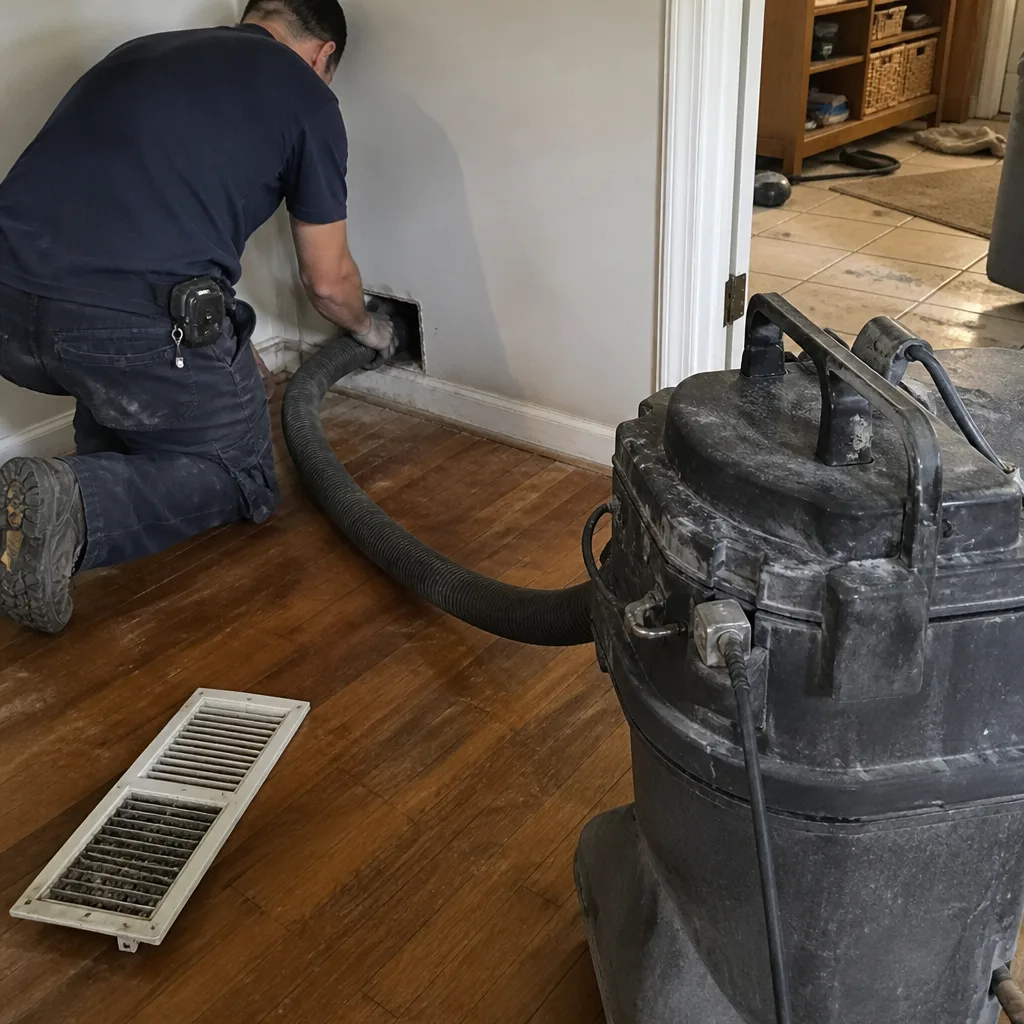 Before
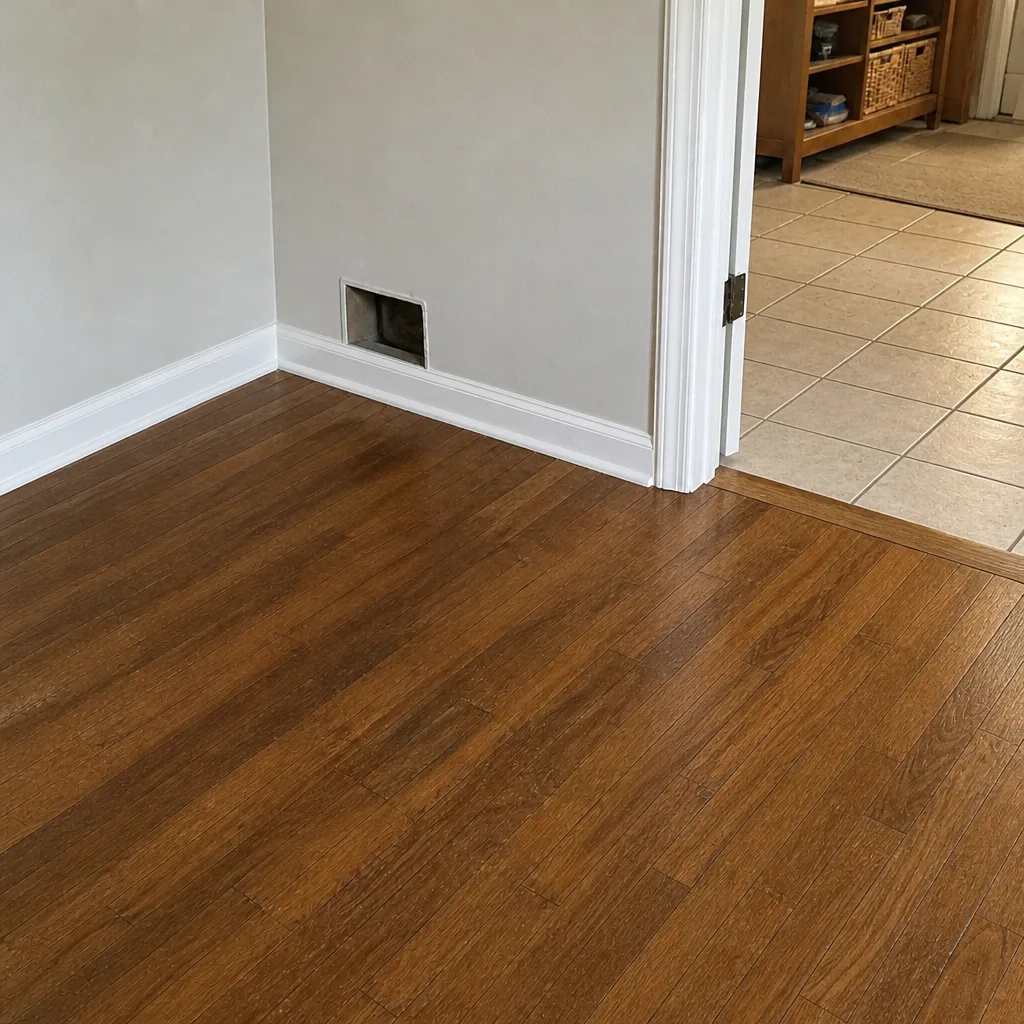 After
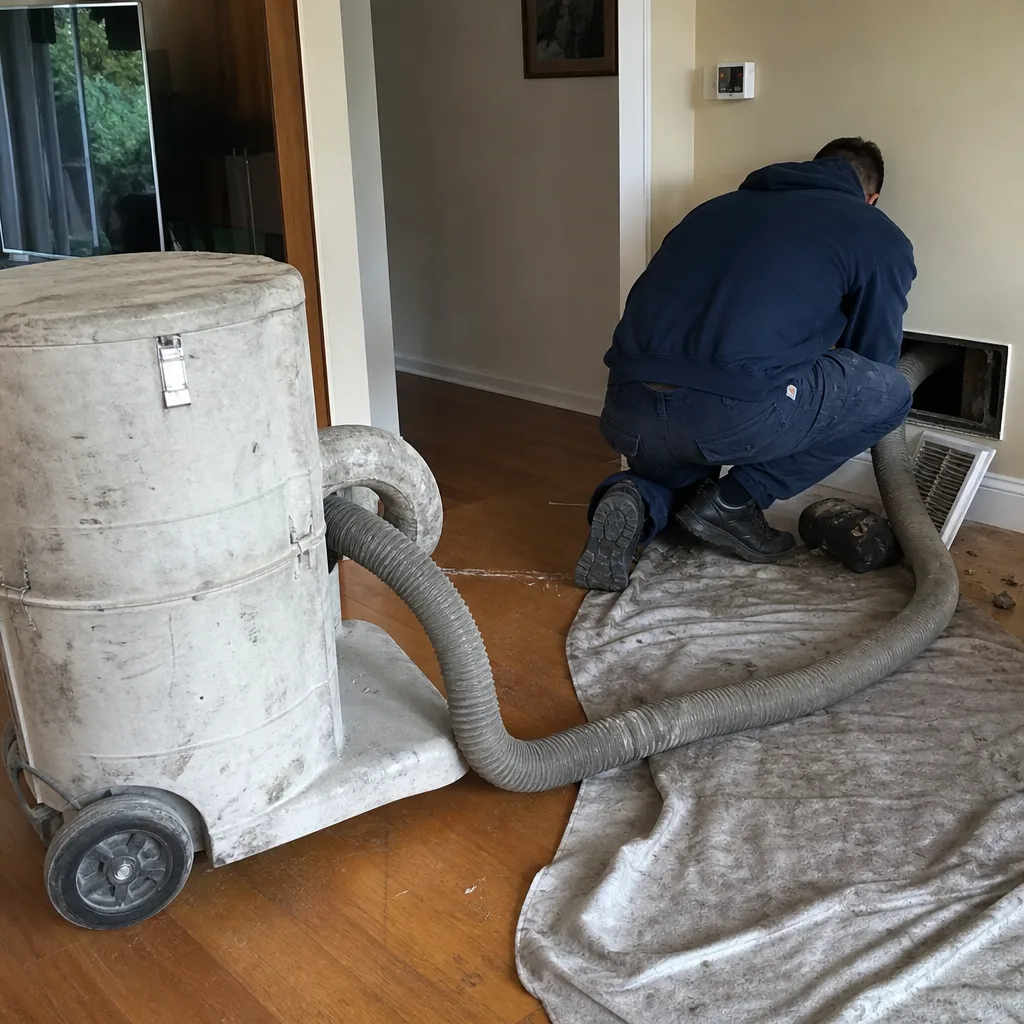 Before
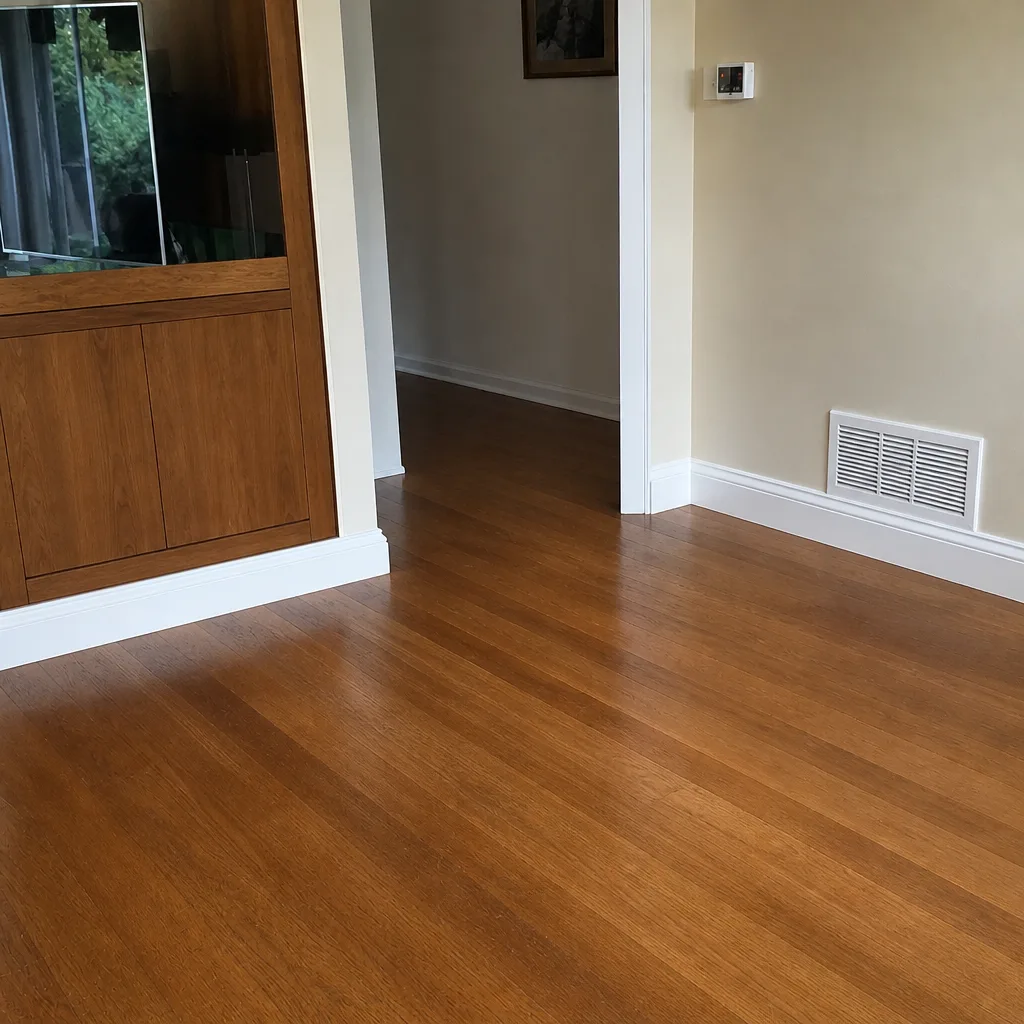 After
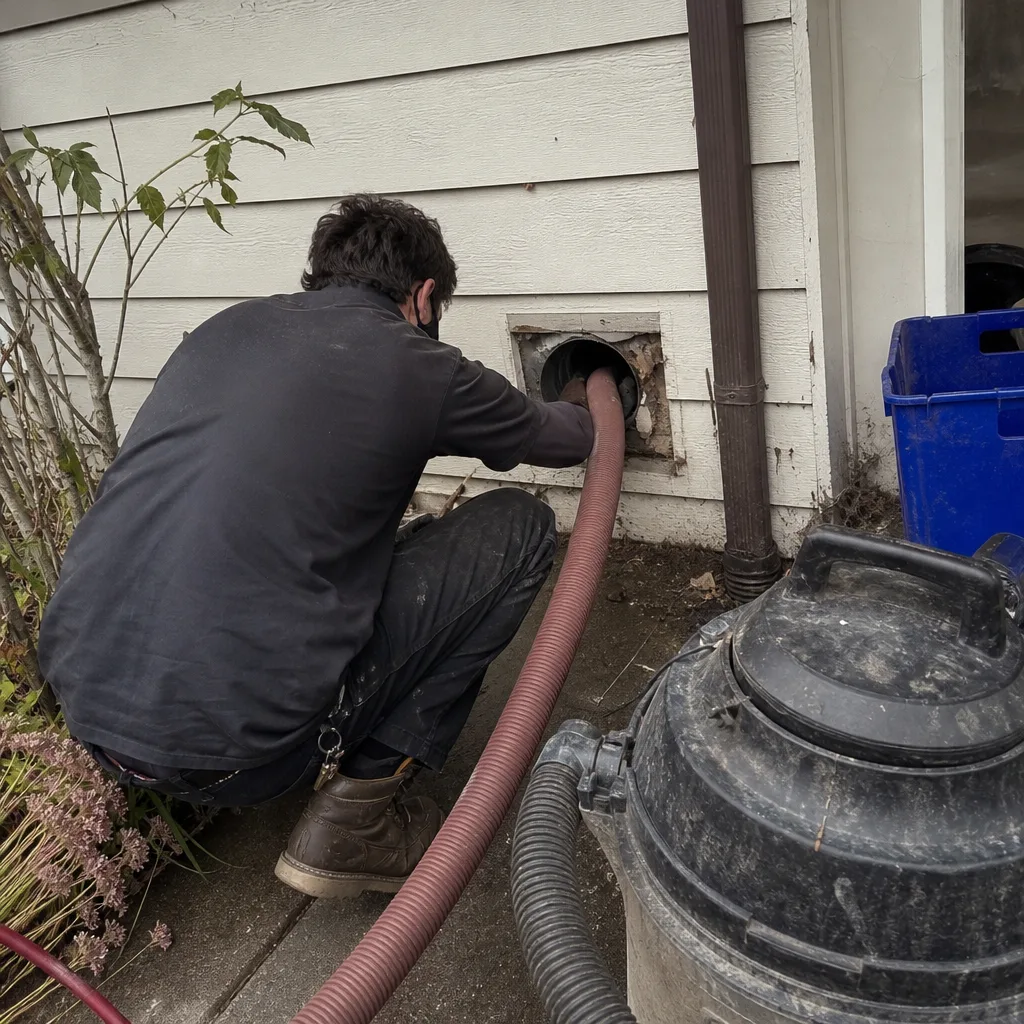 Before
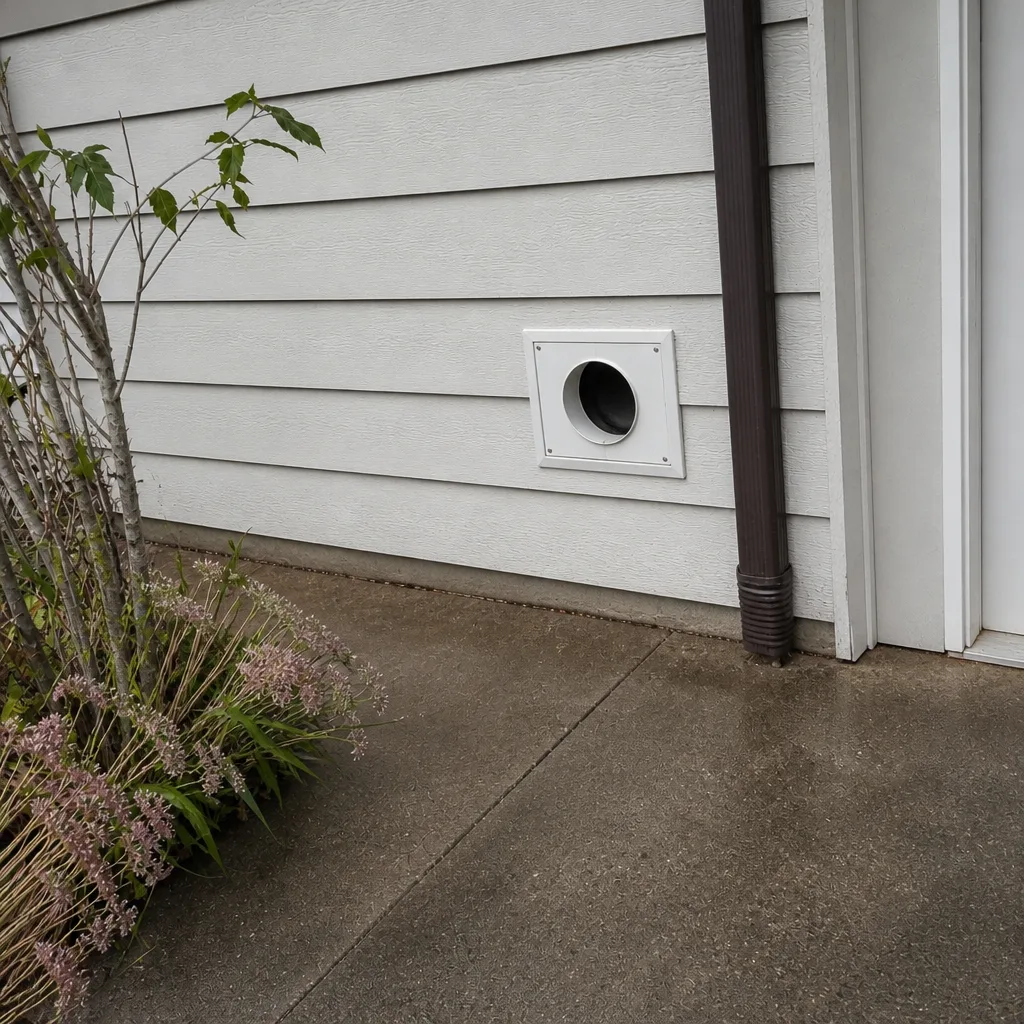 After
Frequently Asked Questions
Needs-based signs beat calendar-based schedules. Look for visible mold growth inside ducts or on registers, musty odor when the HVAC runs, pest or rodent evidence, recent remodeling dust, or persistent dust settling that continues after regular cleaning. If none of those are present and the system was cleaned in the last few years, an inspection is often enough. Call (866) 883-0691 for a free assessment before committing to a cleaning you may not need.
No. A HEPA shop vac filters the air it moves, but it doesn’t generate the airflow volume required to put a whole duct network under negative pressure. It’s useful for register grilles and localized cleaning. It cannot reach trunk lines or dislodge debris from distant branches. Whole-system source removal requires professional truck-mounted or high-volume portable equipment.
Every three to five years is a reasonable baseline for most Edmonds homes, with more frequent cleaning warranted after a remodel, a water intrusion event, pest activity, or if a resident has respiratory sensitivities. The damp climate means biological growth doesn’t dry out as fast as in drier regions, so moisture-related problems deserve faster attention. Call (866) 883-0691 for a no-cost assessment if you’re not sure where your home falls.
Say exactly what you did, what tools you used, and anything unusual you saw. A shop vac, compressed air, or a rotary brush each leaves a different signature in the duct system. Disclosure lets the technician adjust tools and pressure to account for redistributed material and clean the system as it actually is. There’s no judgment in it, and it produces a better result.
Yes, it’s a separate service line, and it matters for safety as much as performance. Lint accumulation in the dryer vent is a fire risk. Cleaning the vent keeps the dryer running efficiently and removes the material that causes dryer fires. Edmonds Air Duct Cleaning Pros handles dryer vent cleaning alongside duct work so you don’t need a second company. Call (866) 883-0691.
Before-and-after photos of your own ducts, not stock images. A licensed, insured local professional should be able to show you the interior condition before they start and the same locations afterward. That’s a reasonable request and a standard one. If a company resists it, that’s your answer about whether to hire them.
The Bottom Line
The DIY versus professional question isn’t about effort. It’s about whether the tool you’re holding can pull the contamination out of the house. For registers, filter changes, and dryer vent lint, yes, that’s genuinely your job and we’d rather you do it consistently than pay for it. For anything involving the trunk lines, mold, pest debris, or post-remodel dust, DIY redistributes what needs extracting. Rotobrush and Nikro equipment exists for a reason, and one flat price per system means you know the cost before work starts. If you’re weighing it out in Edmonds, the estimate is free and the answer is straight.
Call (866) 883-0691 for a free estimate. We answer 24/7. Fast dispatch from 7am to 7pm, Sunday through Friday. A call outside dispatch hours is booked into the next opening, Sunday through Friday, 7am to 7pm.
Written by the team at Edmonds Air Duct Cleaning Pros.