
Last updated November 25, 2026
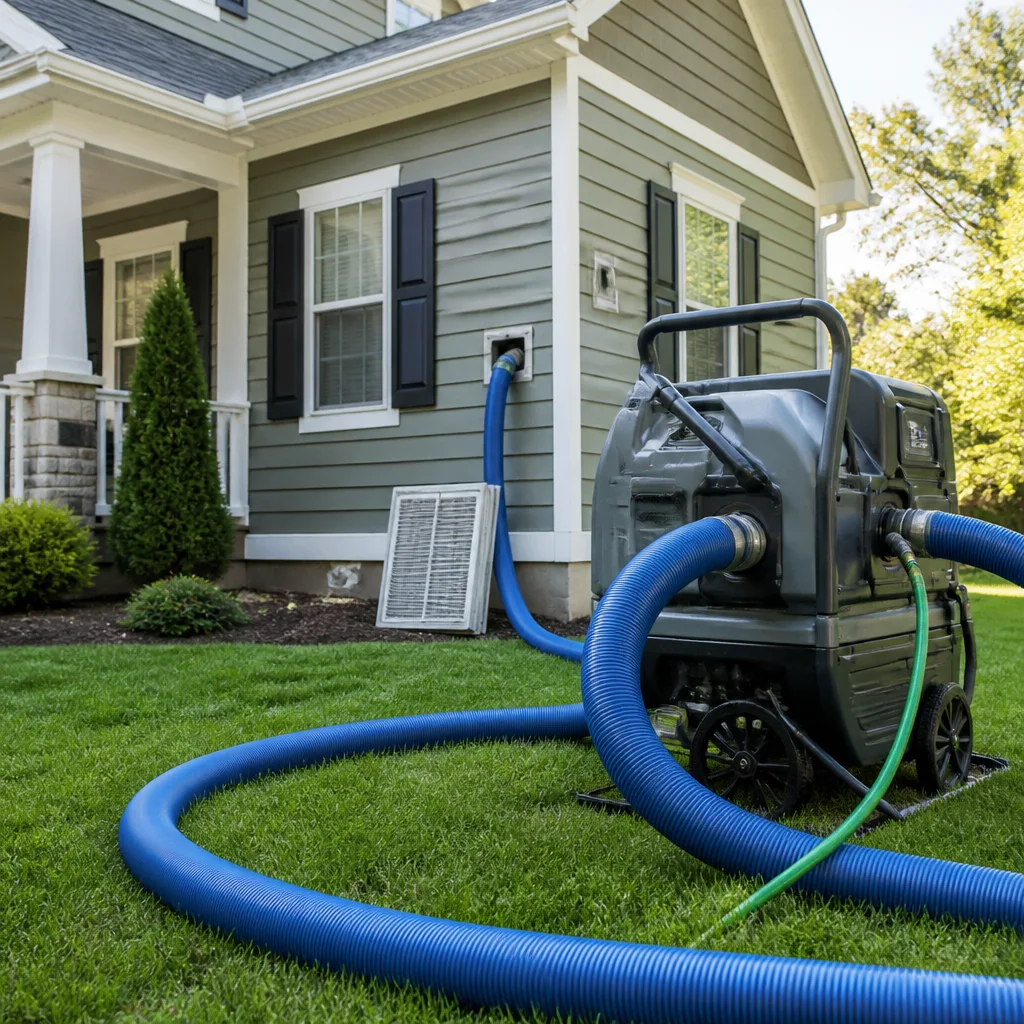 Whole-home duct cleaning
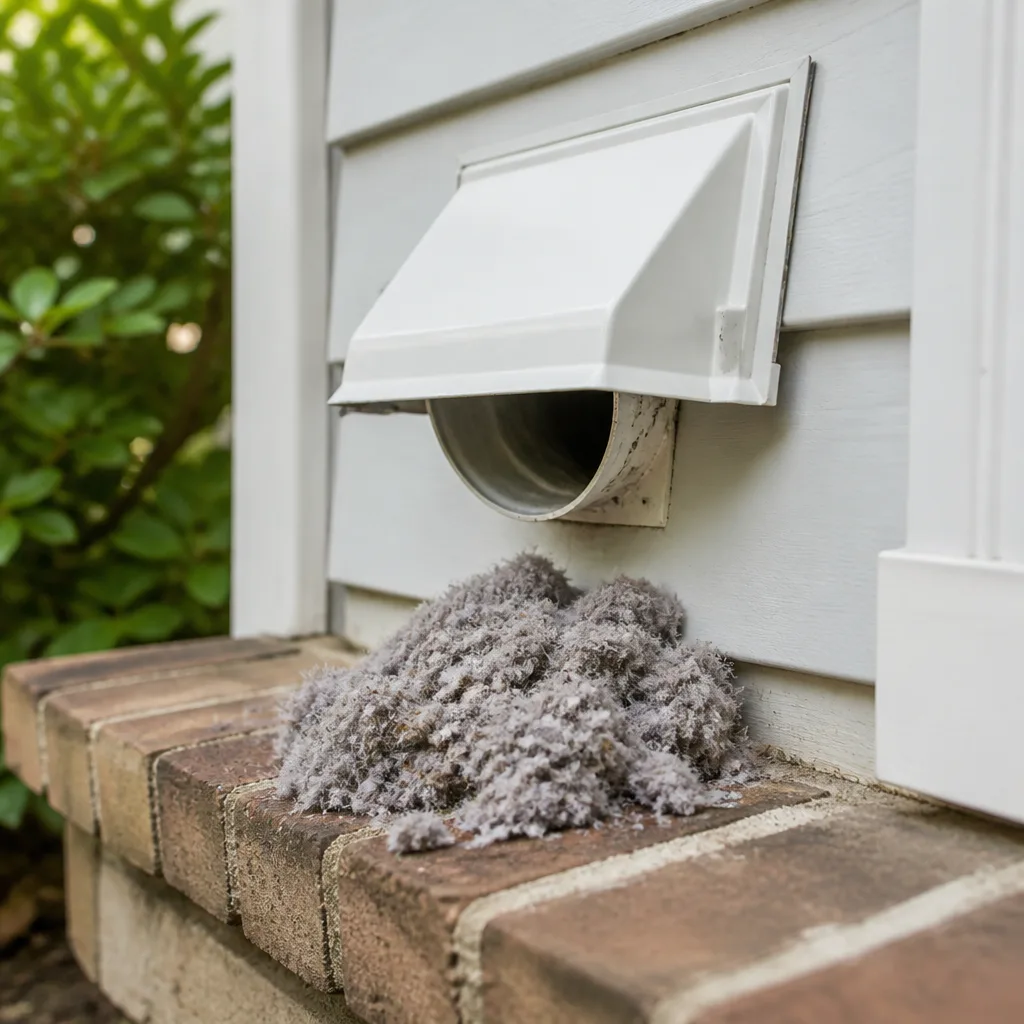 Dryer vent cleaning
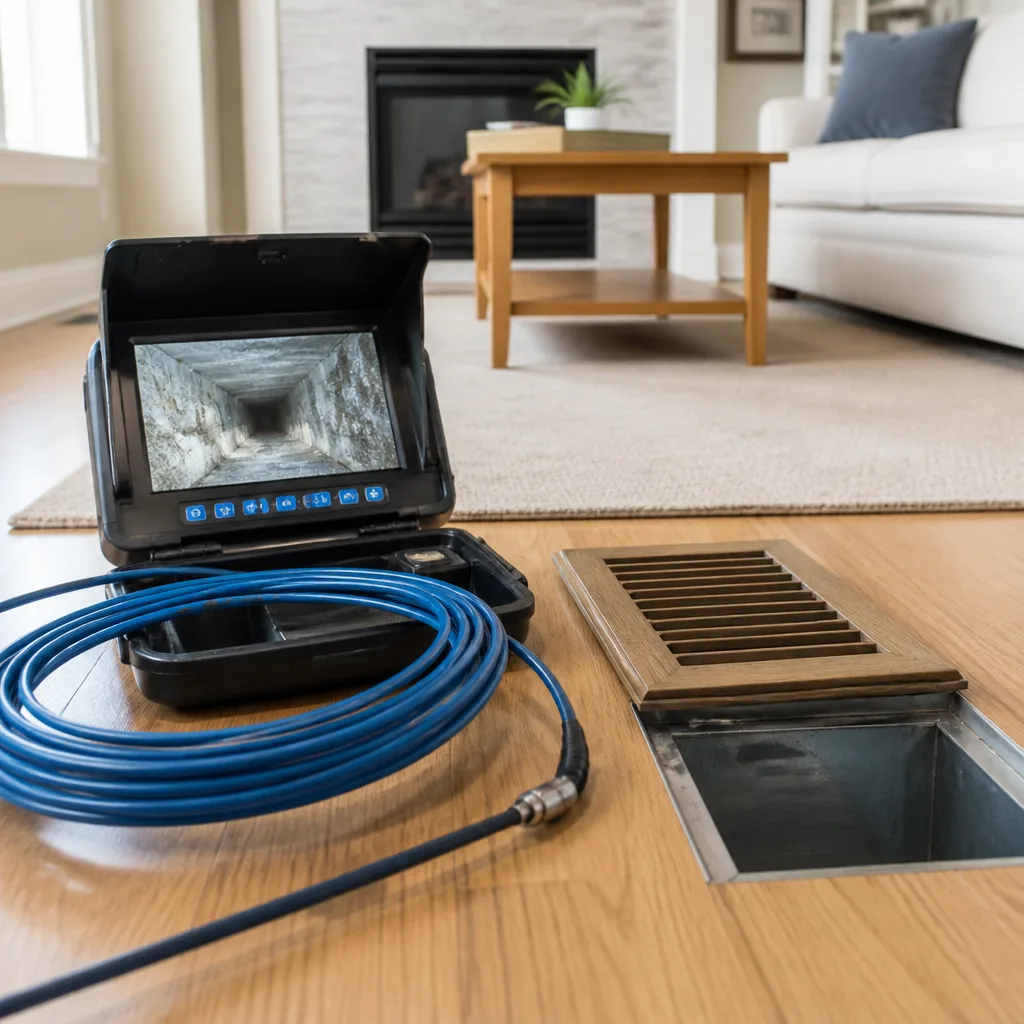 Camera inspection
 Sanitizing & deodorizing
Whole-system duct and dryer vent check with before-and-after photos - you see exactly what came out of your vents
That "$99 whole-house special" is a bait ad - the real number appears once they are in your hallway, or the "clean" is a shop-vac at the register. We photograph the inside of your ducts before and after instead.
Air Duct Cleaning Maintenance Checklist for Edmonds Homeowners
The most useful thing you can do between professional cleanings isn’t changing a filter on a calendar schedule. It’s learning to read the three physical signals a duct system gives off: what’s landing on your registers, how your filter is loading, and how long your system runs to hit a comfort target. Filters vary by household, so a fixed monthly rule fits almost nobody. What does fit is a monitoring habit. In this guide we’ll walk through a room-by-room register protocol, show you how filter loading patterns act as a diagnostic, explain how to log runtime versus output, and lay out the seasonal checkpoints that matter in Edmonds, where wet winters and late-summer smoke give a duct system two very different kinds of stress.
Quick Answer
A duct maintenance checklist for an Edmonds home is a monitoring routine, not a cleaning timetable: inspect every register monthly, replace filters based on how they load rather than a date on the box, and log heating and cooling runtime against indoor comfort. Those three habits catch a breach, a mold event or a developing leak long before it becomes a remediation job. Professional cleaning is scheduled when your own records show a pattern worth investigating.
Styles & brands we work with
- Whole-home duct cleaning
- Dryer vent cleaning
- Camera inspection
- Sanitizing & deodorizing
Table of Contents
- The Room-by-Room Register Inspection Protocol
- Reading Your Filter: What Loading Patterns Reveal
- Logging Runtime vs. Comfort Output
- Edmonds Seasonal Checkpoints: Smoke, Heating Startup, Wet Season
- What to Photograph and Document Before You Call
- Why Cleaning Without Sealing Is Half a Job
- The Dryer Vent Belongs on the Same Checklist
- Common Mistakes to Avoid
- When to Call a Professional
The Room-by-Room Register Inspection Protocol
Start with a flashlight, a notepad and ten minutes. The goal isn’t to clean anything. It’s to compare registers against each other, because a duct system is one connected body, and any register that behaves differently from its neighbors is telling you something about a section of duct you can’t see.
Work through the house in the same order every time so your notes line up month over month. In Edmonds, our technicians have up to 12 years of experience and the same finding turns up again and again: a single odd register in an otherwise clean house points to a localized breach, not a whole-system problem. That’s a much cheaper job to fix early.
At each register, record four things:
- Dust film color. Light gray film is normal and returns within weeks of cleaning. Dark gray, black or sooty film is not normal dust – it suggests combustion byproducts, candle soot or smoke infiltration reaching that branch of duct.
- Dust film texture. Dry and powdery is typical. Sticky, clumped or fuzzy film is the more interesting signal, because moisture is what turns dust into something that can support biological growth.
- Debris patterns. A scatter of fine particles directly under the grille is ordinary. Chunks, flakes or anything that looks like peeling lining material means airflow is carrying larger debris through that run and something upstream has failed.
- Air throw. Hold a tissue near the grille. Every register of the same size in similar rooms should push roughly the same amount. One that’s noticeably weaker is a candidate for a blocked branch or a disconnected run; one that’s noticeably stronger suggests the air is being forced through fewer paths than intended.
Do this at the start of each season and after any renovation work. The variation between registers matters more than the absolute amount of dust – a uniform house is a happy house.
Reading Your Filter: What Loading Patterns Reveal
A filter face is a map of everything that passed through it and everything that bypassed it. Most homeowners pull the filter, glance at it, decide it “looks okay” and slide it back. Read the face properly and it becomes a diagnostic tool.
Hold the filter up to a light. Then check which of these patterns you’re seeing:
- Even gray loading across the whole face. Normal. The filter is doing its job and the duct system is returning air the way it was designed to. Replace when the loading is heavy enough to restrict light noticeably.
- Loading concentrated in one corner or along one edge. This is a bypass leak. Air is finding a gap around the filter frame instead of traveling through the media, which means dust is going straight into the blower and downstream duct – exactly what the filter exists to prevent. Check the filter slot for a warped frame, a mis-sized filter or a missing gasket.
- A dark oval or “smile” pattern in the center. Air is concentrating through the middle of the media, which points to a system pulling harder than the filter’s surface area can handle – often a filter rated too densely for the blower’s capacity. That imbalance strains the blower and can pull seams apart over time.
- Loading only on the side facing the return. Typical and expected. Loading on the clean side is more concerning and worth flagging to a technician.
- Visible gaps between media and frame. Bypass again. A filter that doesn’t seal is a filter doing maybe half its rated work.
The filter loading you see is also the best argument for choosing filtration deliberately. When we recommend filtration upgrades in Edmonds, we’re usually working with HVAC cleaning rather than filtration alone, because a Honeywell or Aprilaire filter cabinet only earns its keep if the duct behind it is tight and clean. A high-MERV filter in a leaky duct system is an expensive way to filter your crawlspace.
Logging Runtime vs. Comfort Output
Your system’s runtime – how many minutes per hour the blower runs to hold a set temperature – is the quietest and most reliable early indicator of duct leakage or blockage developing. A duct system that’s slowly losing air has to run longer to move the same amount of conditioned air into the rooms. You feel it as slightly less comfortable rooms and slightly longer cycles, often without noticing either.
Here’s how to turn it into a record instead of an impression:
- Pick a reference day. Three times a season, note the outdoor temperature and the indoor set point both upstairs and downstairs.
- Time the cycles. Jot down how long the system runs and how long it rests over a one-hour window. Fifteen minutes of runtime to hold a set point isn’t an insight on its own – it’s a baseline.
- Note which rooms lag. A bedroom that’s comfortable in October but never quite catches up in January is telling you something about airflow to that branch. So is a room that was never a problem before.
- Compare over time, not to your neighbor. A 10% rise in runtime for the same outdoor conditions, holding the same set point, is worth investigating.
Runtime creep combined with one weak register and a bypass-loaded filter is a classic trio. In our experience it usually traces back to a disconnected joint, a crushed flex run or a return that’s pulling from a cavity instead of the house. None of those get fixed by cleaning. They get fixed by sealing, which is why we treat repair and sealing as part of the same job as cleaning – the assessment, clean and restore sequence that actually changes how the system performs.
Edmonds Seasonal Checkpoints: Smoke, Heating Startup, Wet Season
Edmonds has three seasonal moments where a duct system is under specific stress. Put these on your calendar and do the same small set of checks each time.
Late Summer: Post-Wildfire Smoke Season
Smoke season brings fine particulate that a standard filter can’t fully stop, and the residue that makes it into the duct system tends to settle on horizontal runs. After the smoke clears, run the register protocol and look specifically for dark or sooty film you didn’t see in spring. If your filter loaded unusually fast over the summer, note the date. A system that absorbs a smoke event usually wants a filter change and a look at the returns. Homes near the waterfront and in the older neighborhoods around the bowl are no different from the rest of Edmonds here – smoke doesn’t discriminate by elevation.
Fall: Heating Startup
The first week of heating season is when you’ll notice a smell or a puff of dust from the registers – that’s normal, as settled dust on the heat exchanger and duct surfaces gets picked up for the first time in months. What isn’t normal is a dust puff that repeats for a week, a persistent musty smell, or any register that blows noticeably weaker than it did in spring. Our Edmonds seasonal check is a good moment to schedule air duct cleaning for a system that’s been off all summer and received a summer’s worth of outdoor air through open windows.
Winter and Spring: Peak Moisture Season
Edmonds winters are wet, and the moisture finds its way into duct systems through crawlspace returns, garage plenums and any gap in the envelope. This is when you check for clammy air, a musty smell in one room only, or any register showing the sticky or fuzzy film that suggests moisture is feeding biological growth. Homes with crawlspace ductwork deserve particular attention in this window – the crawlspace in Edmonds stays damp well into spring. If you spot the fuzzy pattern, don’t clean at it with a household product. Bring in someone who can assess it properly. Our Abatement Technologies equipment is on hand for exactly these contamination-level scenarios where a routine cleaning isn’t enough.
What to Photograph and Document Before You Call
The single most valuable thing you can do before a technician arrives is arrive with a file. A homeowner with photographs and notes lets us prioritize inspection zones immediately, which means the first visit is spent on the likely cause rather than a full walkthrough. Do this once and you’ll never call a contractor unprepared again.
- Photograph every register with the grille in place. Wide shot for context, close shot for texture.
- Photograph each filter face before you replace it. Keep the photos dated.
- Note the register with the weakest air and the room that lags most. Write down whether that’s true year-round or only in one season.
- Write down any smell and where it’s strongest. Musty, dusty, smoky and chemical are different signals and worth distinguishing.
- Note the month and year of the last professional cleaning, and by whom. If you don’t know, say so – an unknown baseline is useful information.
- Sketch the house layout, including crawlspace, basement and garage ducts. A rough hand drawing is fine. It saves walkthrough time and reveals runs you forgot about.
Bring that file to the estimate. In Edmonds, a documented history is often the difference between a cleaning quote and a repair-and-clean quote, and it means the technician can tell you honestly which one you’re looking at.
Why Cleaning Without Sealing Is Half a Job
Cleaning without sealing fixes the symptom, not the cause. A duct system that was dirty for a reason – a disconnected joint, a failed return, a crushed run – will be dirty again in short order if the breach isn’t addressed. This is the reason we treat the full-system approach as the whole point: assess, clean and restore.
What that looks like in practice:
- Assessment: register inspection, filter history, runtime log and a look at every accessible run.
- Cleaning: professional-grade equipment – Rotobrush and Nikro systems – on the full supply and return system, not a surface pass with a shop vac.
- Restoration: sealing the leaks the assessment found, and repairing any disconnected or crushed sections.
- Sanitizing: when the assessment turns up biological growth, a targeted sanitizing step addresses the source rather than the smell.
If you’re wondering where your own system sits on this, the honest answer is that a written estimate after an inspection beats a guess. Edmonds Air Duct Cleaning Pros covers the full chain – cleaning, sealing, repair, sanitizing – so you don’t need to coordinate two or three vendors to get one system back to performing the way it should.
The Dryer Vent Belongs on the Same Checklist
A dryer vent is a duct too, and it’s the one with a fire-safety job. Lint is highly combustible, and a vent that’s restricted by accumulated lint forces the dryer to run hotter, which is the condition that converts a maintenance nuisance into a fire risk. This is the piece most homeowners never inspect, and it belongs on the same quarterly walkthrough.
Add these to your checklist:
- Check the exterior vent flap every month. It should open freely when the dryer runs and close fully when it stops. A flap that sticks open is an entry point for pests and rain; one that never opens is a blockage.
- Watch drying time. If a normal load takes noticeably longer than it used to, the vent is restricted. Note the date and time it started.
- Feel the exterior of the dryer while it runs. Unusually hot to the touch is a warning sign worth acting on.
- Look behind the dryer for crushed or kinked flex duct. A crushed run causes the same lint buildup a blockage would.
Once a year, have the vent professionally cleaned – more often if you dry heavy loads. Our dryer vent cleaning service removes the lint load from the full run rather than just the accessible end, which is where the fire risk actually lives.
Common Mistakes to Avoid
- Replacing filters on a fixed calendar. A filter is spent when it’s loaded, not when the box says replace it. An Edmonds home in smoke season can load one in weeks; a lightly used house may take months. Read the face, not the date.
- Chasing a higher-MERV filter without checking the duct system. A dense filter in a leaky system strains the blower and pulls air from wherever the leaks are. Fix the ductwork first, then upgrade filtration.
- Vacuuming the registers with a household machine and calling it cleaned. Surface cleaning at the grille does nothing for the runs behind it, and the household vacuum’s exhaust can aerosolize fine dust that a professional HEPA-grade setup would capture.
- Wiping visible growth with a household spray and ignoring the moisture source. Spot-cleaning any fuzzy register film without finding why the duct is damp almost guarantees it returns.
- Skipping the dryer vent because it’s out of sight. A clogged dryer vent is a fire risk, and a year of lint is often enough to restrict a run meaningfully.
- Never recording anything. A complaint to a technician without a baseline is a story. A stack of dated photos and a runtime note is a diagnosis.
- Booking a cleaning when what you need is a repair. If your notes point to a disconnected run or a bypass leak, a cleaning alone won’t stop the dust from returning. Ask for an estimate that covers sealing.
When to Call a Professional
Call a professional when the checklist turns up a pattern you can’t resolve with a filter change. Specifically: any register showing sticky or fuzzy film, a persistent musty smell that returns within days of a cleaning, visible debris flakes from the registers, a runtime creep that’s stayed elevated across two seasons, or a single room that’s been losing airflow steadily. Any of those means a trained eye should look, not a homeowner with a shop vac. If the last professional cleaning is unknown and the house is new to you, that’s also a reason to have someone assess it. Edmonds Air Duct Cleaning Pros offers free estimates in Edmonds – call (866) 883-0691. We answer 24/7. Fast dispatch from 7am to 7pm, Sunday through Friday. The written estimate sets the final price, one flat price per system agreed before work starts, and we document the work with before-and-after photos of your own ducts.
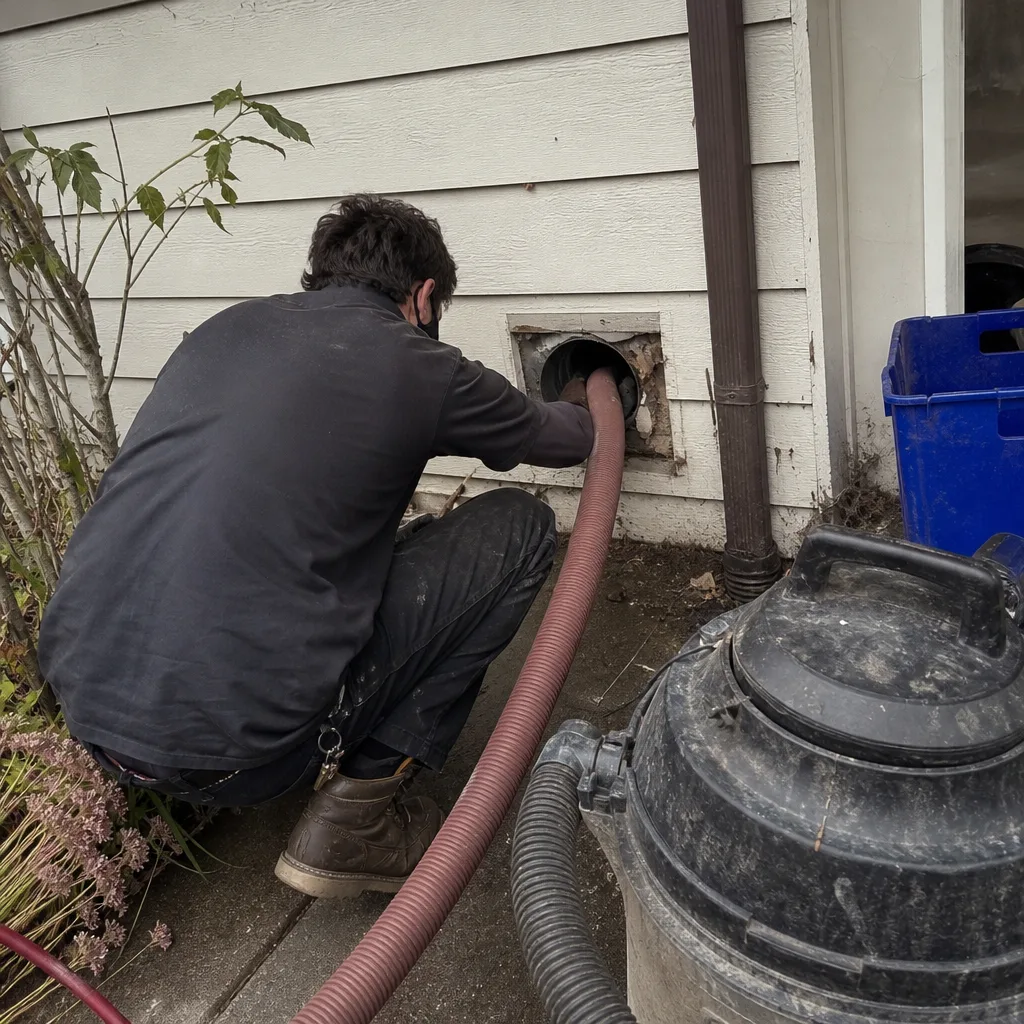
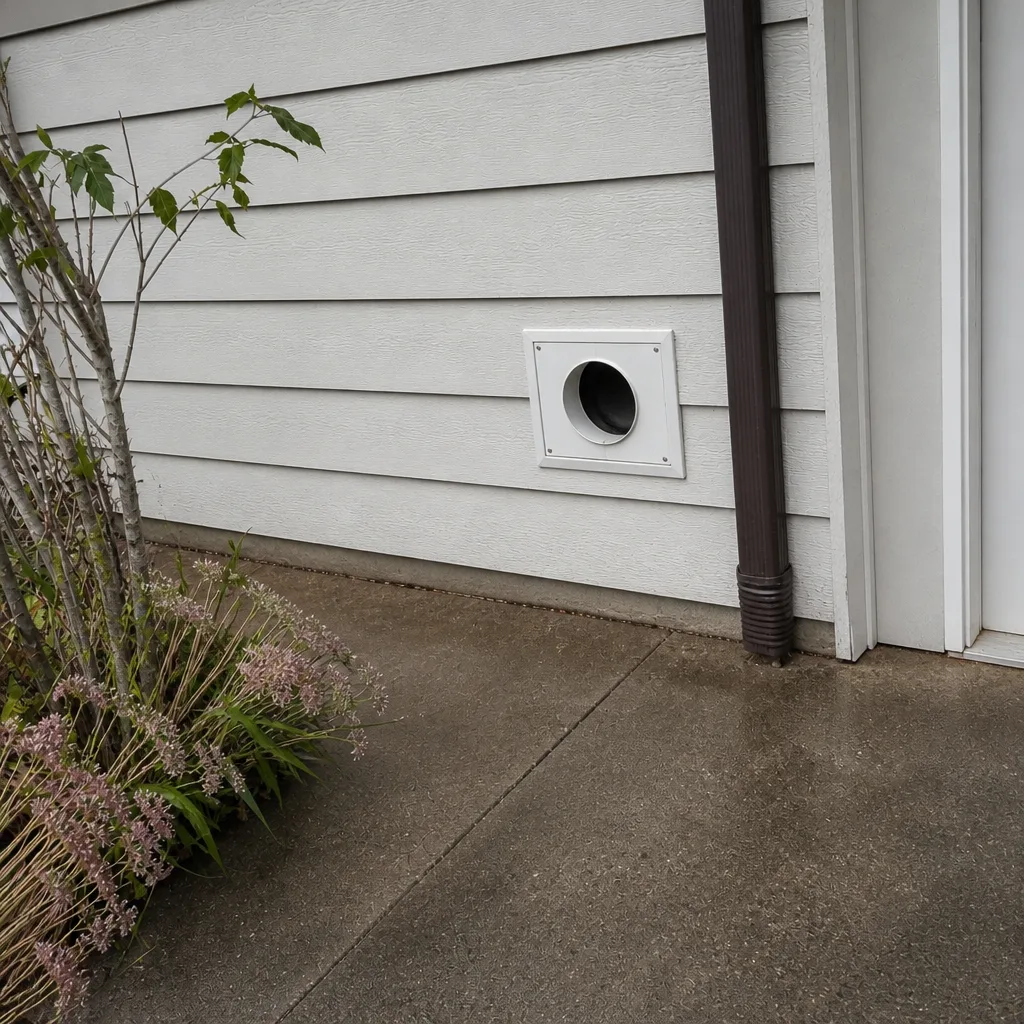
See the difference
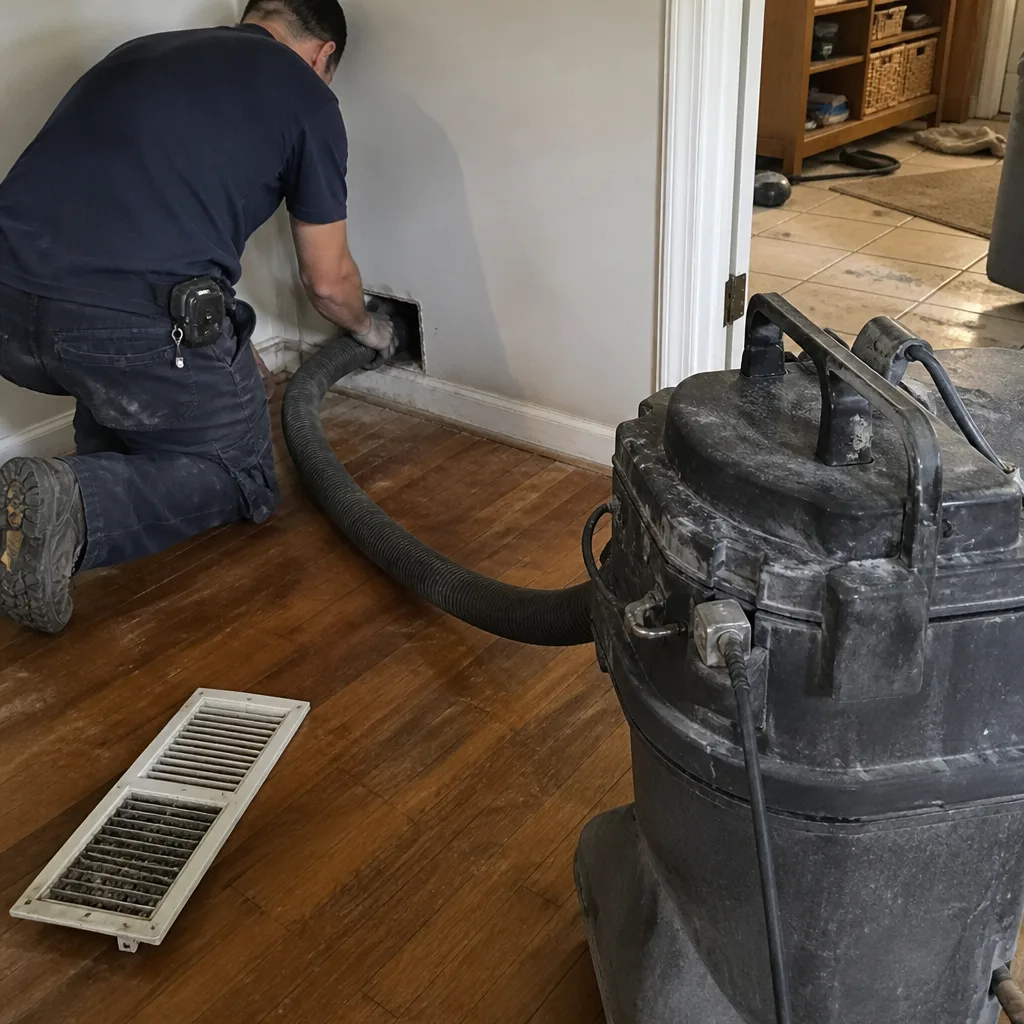 Before
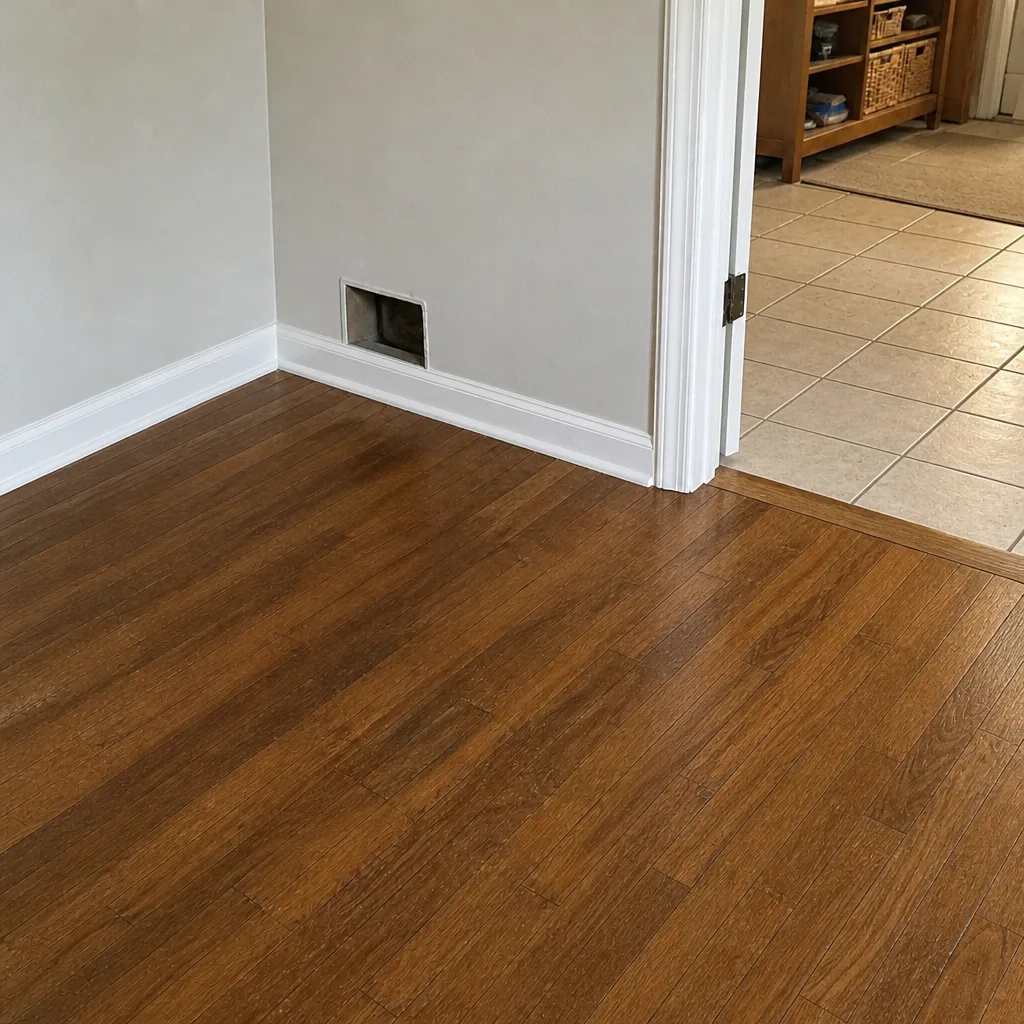 After
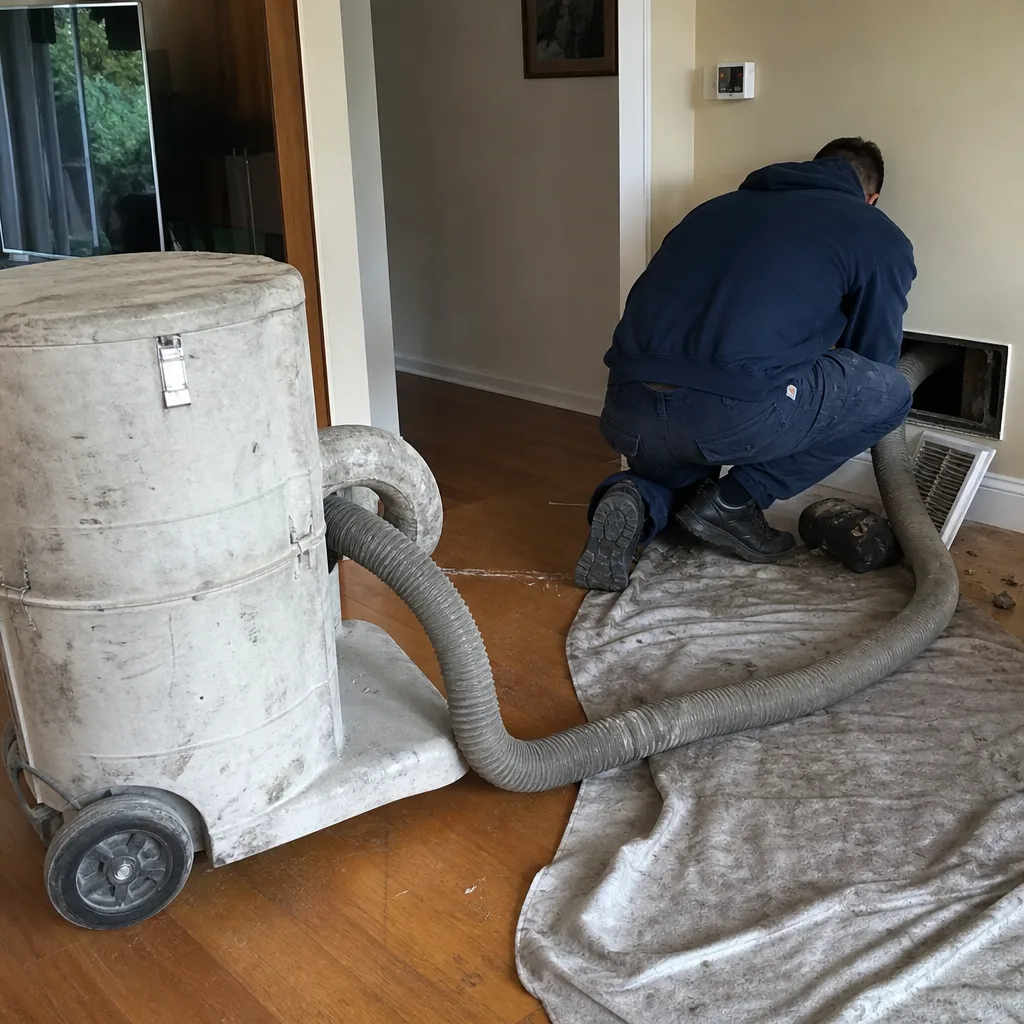 Before
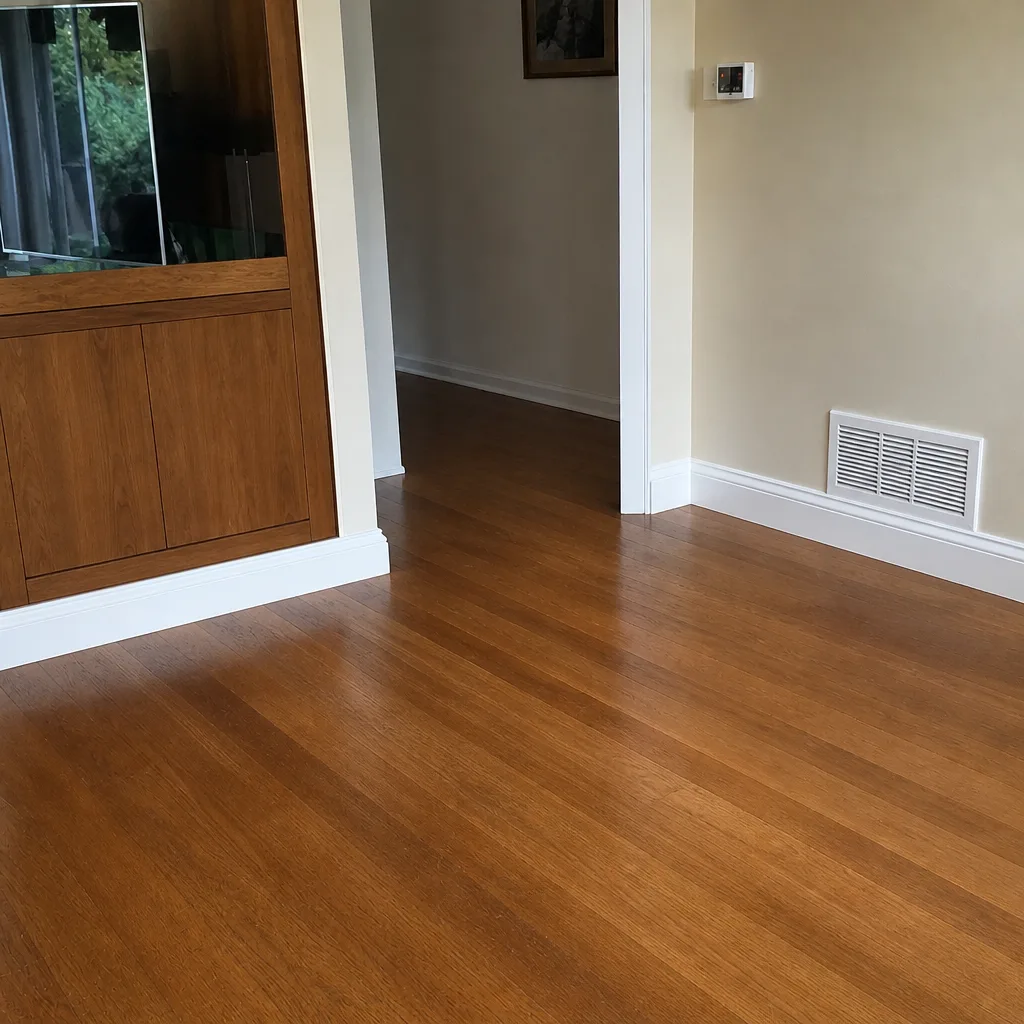 After
 Before
 After
Frequently Asked Questions
Most Edmonds homes need professional cleaning every three to five years, and more often if they’re near a busy road, have pets, have been through a renovation, or sit on a damp crawlspace. The better answer is that your own monitoring records should decide the schedule. When the checklist shows a pattern that keeps returning, it’s time. Call (866) 883-0691 for an exact quote – estimates are free.
Normal dust is light gray, dry and even across all registers. A real problem looks different – dark or sooty film, sticky or fuzzy texture, or a single register that’s noticeably worse than the rest. Any of those means something upstream is worth inspecting.
No, not effectively. A shop vac reaches the visible grille and perhaps a foot of the run behind it, while the contamination that matters sits in the horizontal runs, the plenum and the return cavity. It also sends fine dust into the room air. Professional-grade equipment, like the Rotobrush and Nikro systems we use, is designed to capture that material rather than redistribute it.
Cheap quotes usually cover a surface pass on the grilles and little else. The price is lower because the scope is smaller, not because the work is more efficient. Ask what the quote includes: supply and return, plenum, a sealing step if leaks are found, and before-and-after photos. A per-vent teaser price is the classic bait-and-switch pattern in this trade, so it’s worth being wary of. Call (866) 883-0691 for a written estimate that spells out the scope – estimates are free.
Before-and-after photographs of your own ducts are the simplest proof. We photograph the accessible runs and the plenum so you can see what changed, and we walk you through the assessment findings so you understand what was fixed and what wasn’t. This is part of why we work the full chain – cleaning, sealing and sanitizing under one company – so there’s no gap where one vendor blames another. Call (866) 883-0691 to book an estimate.
A smell that returns within days of a cleaning almost always has a moisture source that wasn’t addressed – a damp crawlspace return, a gap in the envelope, or biological growth on duct surfaces that a cleaning alone won’t remove. Sanitizing plus sealing the source fixes the cause; cleaning alone fixes neither.
Yes, and the effect is measurable in how quickly biological growth can return. Wet winters keep crawlspaces and garage plenums damp for months, and any duct run in that space is more vulnerable. Check registers for sticky or fuzzy film at the end of the wet season, and photograph anything you find.
After, generally. Smoke season loads a system with fine particulate that settles on horizontal runs; a cleaning after the smoke clears removes it in one pass. If your filter loaded unusually fast during smoke season, have the assessment done in the same visit.
The Bottom Line
A duct maintenance checklist for an Edmonds home is a monitoring habit, not a cleaning schedule. Inspect your registers monthly and compare them against each other. Read your filter face instead of trusting a calendar. Log runtime against comfort so you catch the quiet creep of a developing leak. Add the three seasonal checkpoints – late-summer smoke, fall heating startup and peak winter-spring moisture – and you’ll catch most developing problems before they become remediation work. Document everything with dated photos. When the pattern says a professional should look, get an estimate that includes assessment, cleaning and sealing, not just cleaning. Our technicians have up to 12 years of experience with the full chain, and the written estimate sets the final price.
Call (866) 883-0691 for a free estimate. We answer 24/7. Fast dispatch from 7am to 7pm, Sunday through Friday.
Written by the team at Edmonds Air Duct Cleaning Pros.